Obituary

Olympic champion Varga dies aged 84

By United World Wrestling Press

CORSIER-SUR-VEVEY, Switzerland (January 16) — Olympic and world champion Janos VARGA died last month in Budapest, Hungary at the age of 84.

The Hungarian wrestling legend was a two-time world champion, two-time European champion and a retired army colonel

Varga was born on October 21, 1939 in Abony, where he learned the basics of the sport and then completed his unparalleled career in the Budapest Honvéd Armed Forces.

On the mat, he was characterized by enormous self-discipline, endurance and extraordinary physique, and won a total of ten world competition medals, including five gold.

He is one of the six Hungarian wrestlers who can call himself an Olympic, World Championships and European Championship winner.

Considered among the best in both Greco-Roman and freestyle, he won his first world championship title with a broken rib in 1963, after winning silver and bronze in freestyle in 1961 and 1962 respectively.

He won silver at the 1967 World Championships at 57kg and climbed to the top of the podium at the 1968 Olympic Games in Mexico City alongside his best friend Istvan Kozma.

His second World Championships gold medal came in 1970 as he won the 57kg weight class in Edmonton, Canada. He finished his career with bronze at the 1971 World Championships in Sofia, Bulgaria.

After his sport career, Varga did not turn his back to the mat, working as the head coach of the Budapest Honvéd and the junior national team. In addition, he also acted as an international referee.

Varga’s death was mourned by Ministry of National Defense, the Hungarian National Guard, the Hungarian Olympic Committee, the Hungarian Wrestling Federation and his hometown, Abony, and his funeral was held with military honors.
#development

Bringing Asia Together: OCA-UWW Wrestling Camp Concludes in China

By United World Wrestling Press

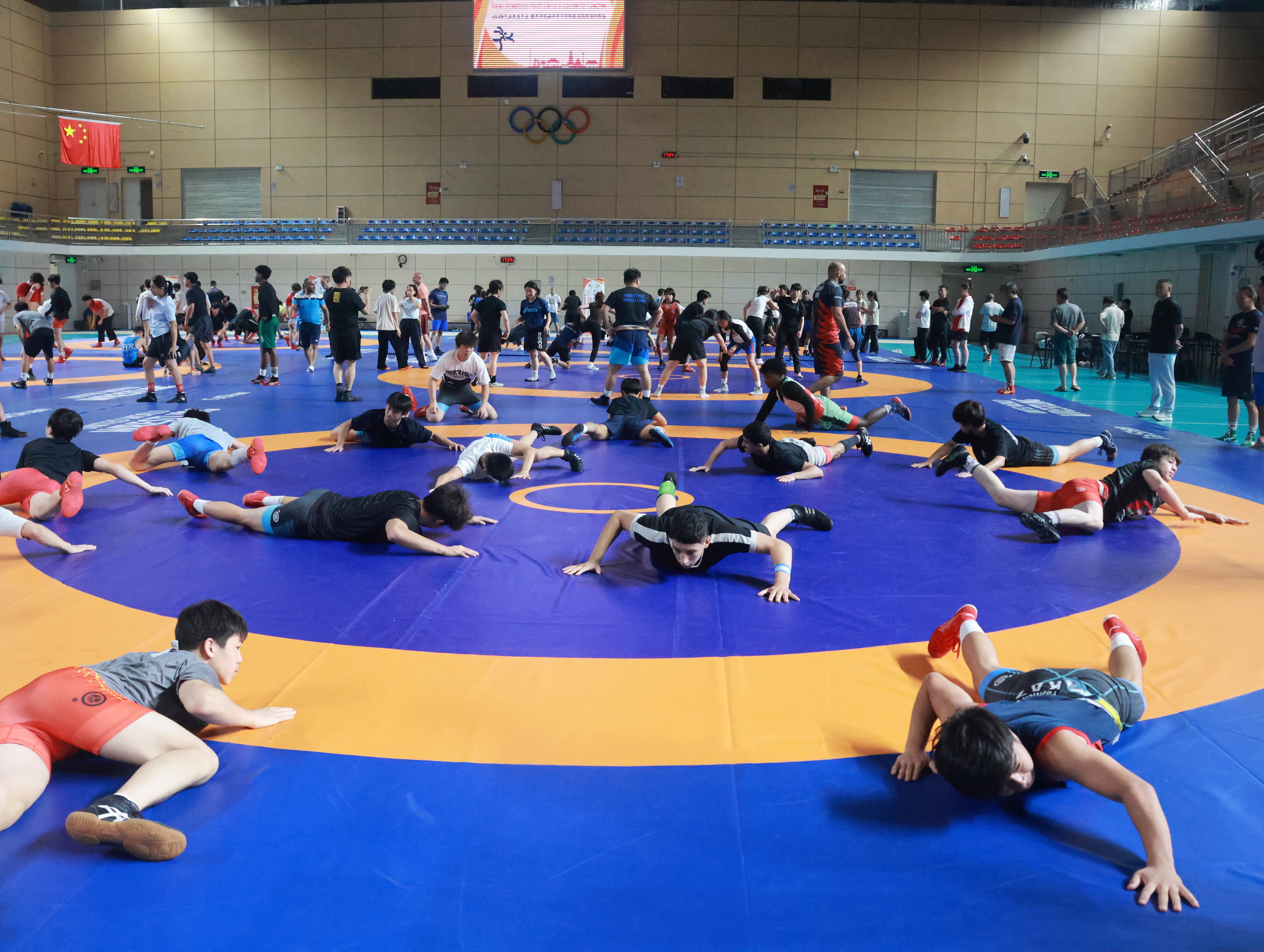
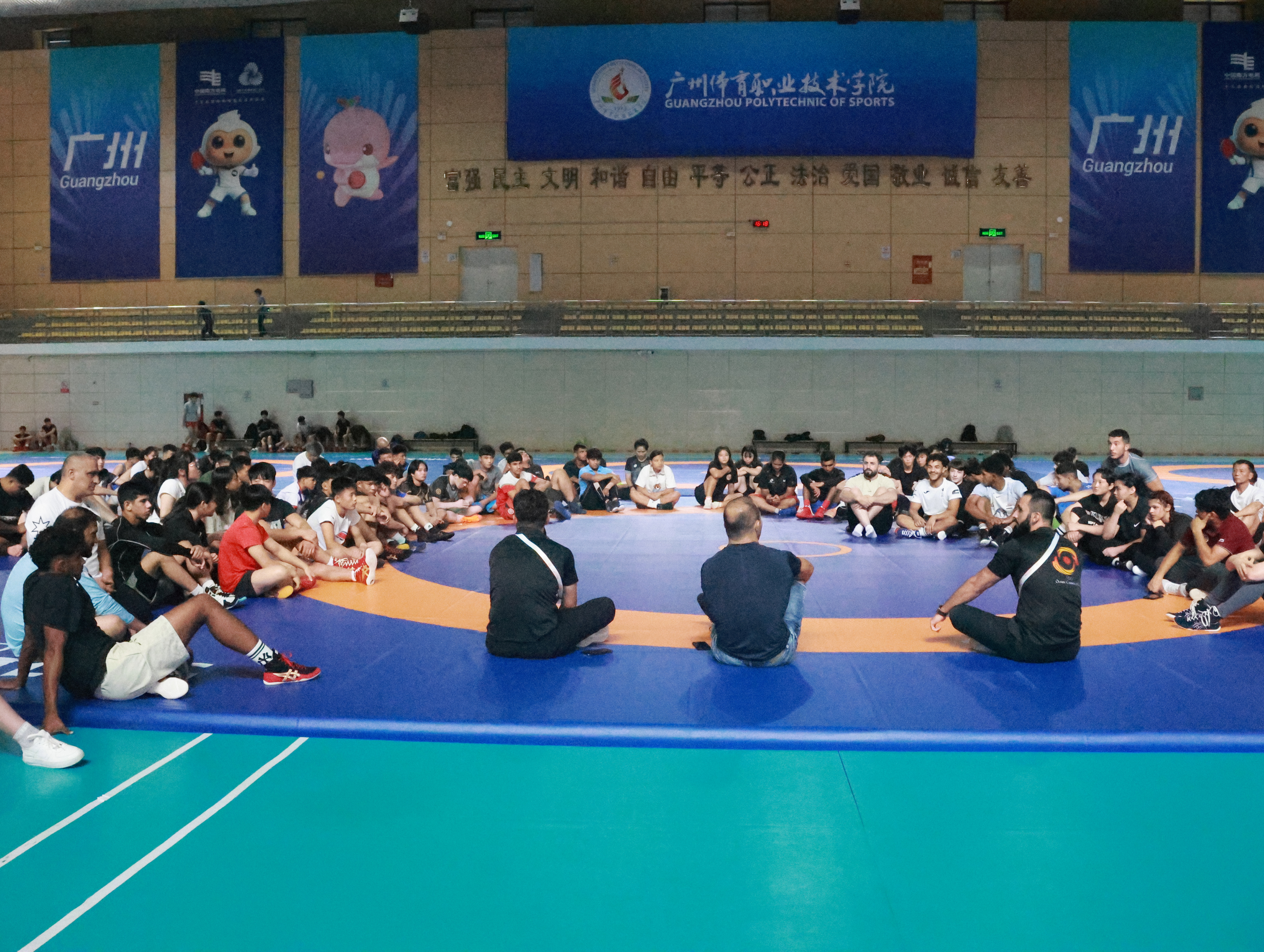
GUANGZHOU, China (July 15) -- The 2026 Olympic Council of Asia and United World Wrestling Asian Wrestling Youth Camp and Course for Coaches concluded at the Guangzhou Polytechnic of Sports on Wednesday, bringing together 62 athletes and 30 coaches from 30 National Olympic Committees (NOCs) across Asia.

Held from July 8-15, the camp also included 40 student wrestlers from the Guangzhou Polytechnic of Sports, providing additional training opportunities and a valuable platform for athletes and coaches to exchange knowledge and experience.

At the closing ceremony, participants received certificates of participation and commemorative gifts from representatives of the OCA, UWW and the Guangzhou Polytechnic of Sports.

Wrestling UWW

OCA Director of Family Relations & Development Programs Wissam TRKMANI thanked all those involved in organising the camp.

“This has been a wonderful camp and I would like to thank everyone who has made it possible," Trkmani said. "Wrestling is one of the oldest Olympic sports. It builds mental resilience, physical strength and personal discipline, providing a strong foundation for athletic development. The UWW educators have truly inspired the young athletes, and everyone worked hard to make this camp a success.”

Trkmani encouraged the athletes, aged 14 to 17, to continue pursuing their sporting ambitions and thanked the coaches for their commitment to developing young wrestlers across the continent.

Speaking on behalf of UWW, Bureau member, Olympic silver medallist and Chair of the UWW Athletes Commission Arsen JULFALAKYAN described the camp as amazing and encouraged coaches to share the knowledge and experience gained in Guangzhou with their wrestling communities at home.

Wrestling UWW

UWW Development Director Deqa NIAMKEY highlighted the importance of the camp for the future development of wrestling in Asia.

“This is the biggest youth camp we have hosted in Asia, thanks to the support of the OCA and all the National Olympic Committees and National Federations," Niamkey said. "Youth development is one of the main pillars of UWW development, and coaches are fundamental to that mission. This event not only provided an opportunity to improve technical standards but also allowed athletes to make friends and coaches to exchange experience and expertise, helping to build a stronger wrestling community across Asia.”

The camp combined athlete training sessions with a dedicated education programme for coaches, reinforcing the commitment of the OCA and UWW to developing wrestling through athlete pathways, coach education and international cooperation.