In other Freestyle weight classes, a mouth-watering clash awaits at 65kg. World champion Rahman AMOUZAD (IRI) will open his season in Ulaanbaatar with hopes of winning gold.
In all likelihood, a clash against Shamil MAMEDOV (BUL) awaits Amouzad. The two met at the 2023 World Championships and Mamedov defeated Amouzad in the bronze-medal bout, 8-6. Mamedov returned to international wrestling in April at the European Championships but did not win medal.
SUJEET (IND), in red-hot form and unbeaten this year, was also entered for the tournament but he confirmed to United World Wrestling that he is unlikely to travel as he competed and won the Asian Games selection trial in India on May 31. India is still likely to send U23 Asian champion Mohit KUMAR (IND) and ROHIT (IND)
Kwang Jin KIM (PRK), a silver medalist at the 2025 Asian Championships, is also in the mix along with Adlan ASKAROV (KAZ), Ossimzhan DASTANBEK (KAZ) and Christopher COMPOSTO (USA).
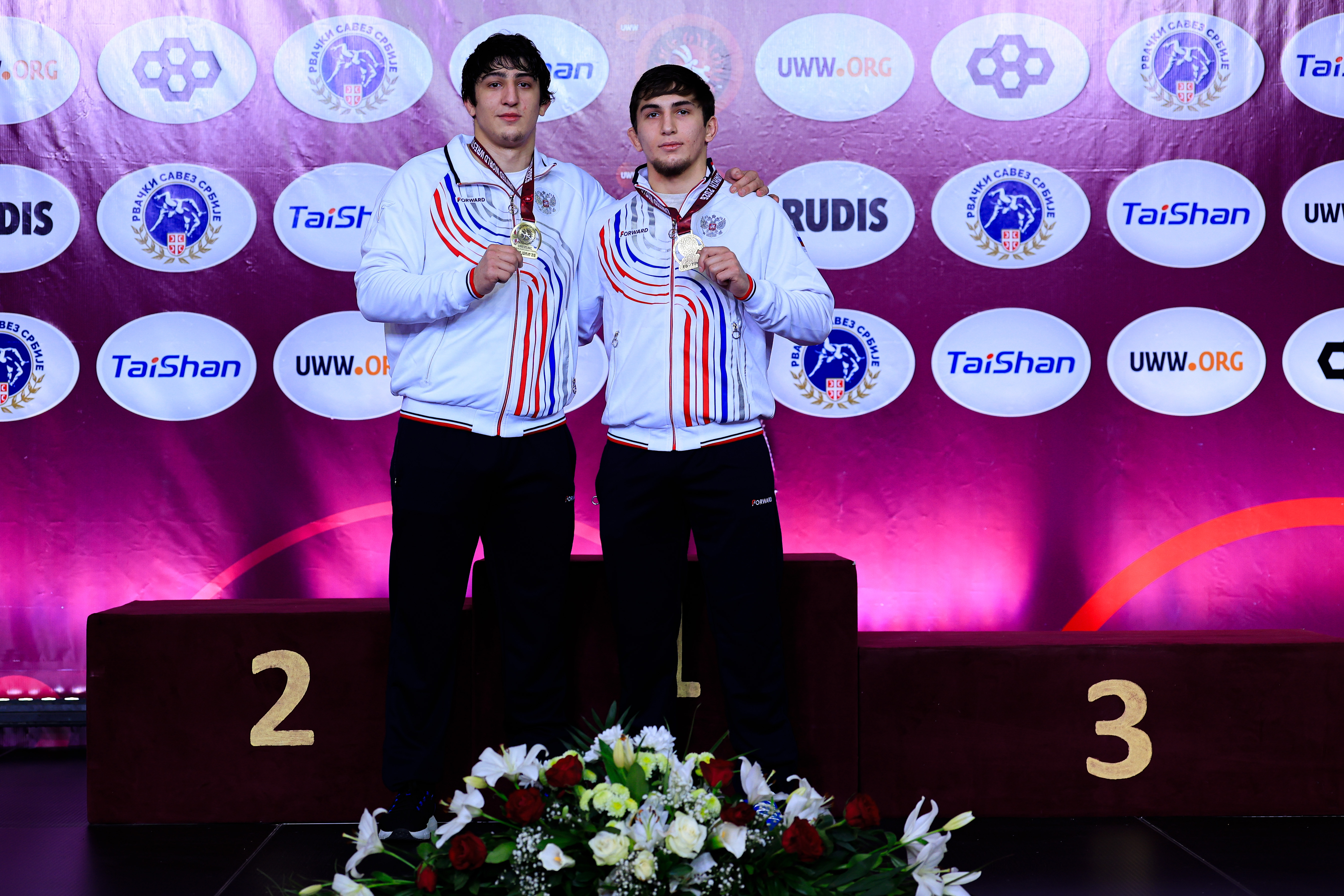 Khaniev brothers -- Takhir, left, and Ismail -- won the U23 European Championships gold medal at 97kg and 79kg respectively. (Photo: United World Wrestling / Kostadin Andonov)
Khaniev brothers, Ismail and Takhir, will be in action at 79kg and 97kg respectively for Russia before they challenge the big names domestically for the World Championships spot in July. Takhir made headlines when he defeated Kyle SNYDER (USA) at the Tirana Ranking Series at 97kg and later won a silver medal.
Takhir, who also won gold at the U23 European Championships, should have a straight forward win at 97kg in Mongolia.
Ismail, at 79kg, will have to face U20 world champion Mahdi YOUSEFI (IRI) and the two youngsters are likely to give a match to remember if they face each other.
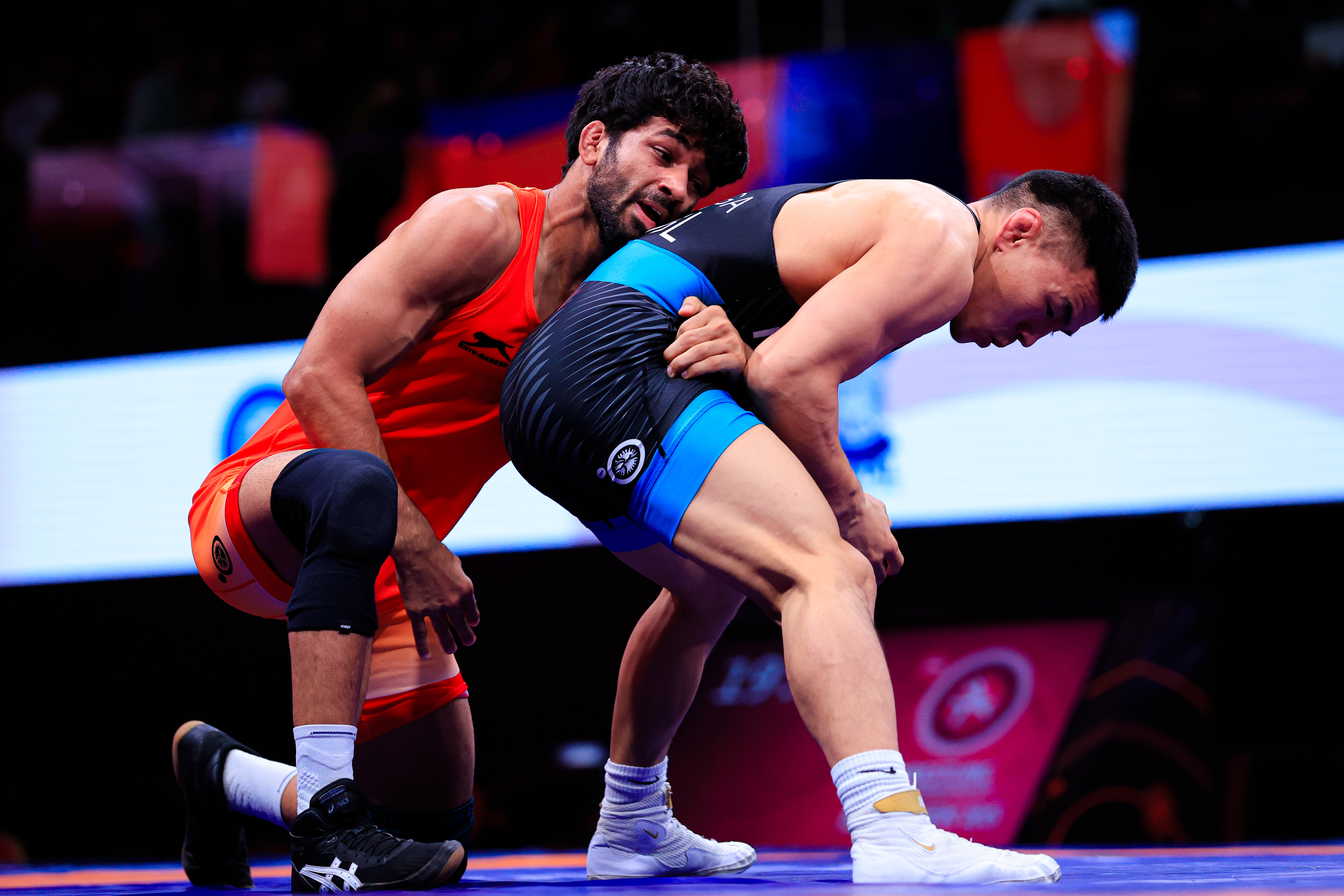 ABHIMANYOU (IND) defeated Tulga TUMUR OCHIR (MGL) in the 70kg final at the Asian Championships. (Photo: United World Wrestling / Kostadin Andonov)
For hosts Mongolia, Tulga TUMUR OCHIR (MGL) will lead the charge at 70kg and he will have a chance to avenge his loss to ABHIMANYOU (IND) from the Asian Championships final.
Abhimanyou stunned the field in Bishkek, beating favourites Ernazar AKMATALIEV (KGZ) and Tumur Ochir to win the 70kg gold. He defeated the Mongolia, 5-3, but the Ranking Series will show if his win in Bishkek was one off or not.
The DPR Korea's world champion Chong Song HAN (PRK) comes to Ulaanbaatar as a firm favourite at 57kg, His electric wrestling and strength has troubled even established names.
A clash against European silver medalist Musa MEKHTIKHANOV (RUS) will be a treat if it happens. Mekhtikhanov, known for some crafty wrestling, will have navigate Han's strength if he hopes to win a gold medal.
A few other names include Meirambek KARTBAY (KAZ) and Merey BAZARBAYEV (KAZ) as Kazakhstan continues to select its team for the World Championships and the Asian Games. It has registered at least two wrestlers in maximum weight classes and will hope to return with at least one gold.
It has veteran Azamat DAULETBEKOV (KAZ) competing at 92kg, a weight class which has a few tough names including two more names Bekzat AMANGALI (KAZ) and Yelnar SHILDEBAY (KAZ). Former Asian champion Abolfazl RAHMANI (IRI) and defending Ulaanbaatar Open champion Askhab SAADULAEV (RUS) are among the opponents that will try to stop Dauletbekov.
A big test awaits youngster and U20 world champion and Asian bronze medalist Yedige KASSIMBEK (KAZ) at 125kg. The teenager has made a steady climb and won bronze in Asia on his senior debut. He will face the likes of BUHEEERDUN (CHN), DINESH (IND), Robert BARAN (POL) and Timur KOTAEV (RUS).
At 74kg, with none of the big names entered, Darkhan YESSENGALI (KAZ), Tamir ESHINIMAEV (RUS) and Tumen BODIEV (RUS) can make it all the way. If Sagar JAGLAN (IND) lands in Ulaanbaatar, he will be getting much-needed experience as he continues to regain form.
Iran has brought Ahora KHATERI (IRI) back to 61kg after a brief stint at 65kg at the U20 World Championships. He will be among the favourites to win gold despite the presence of Assylzhan YESSENGELDI (KAZ), Zanabazar ZANDANBUD (MGL) and Bair BAIANDUEV (RUS).
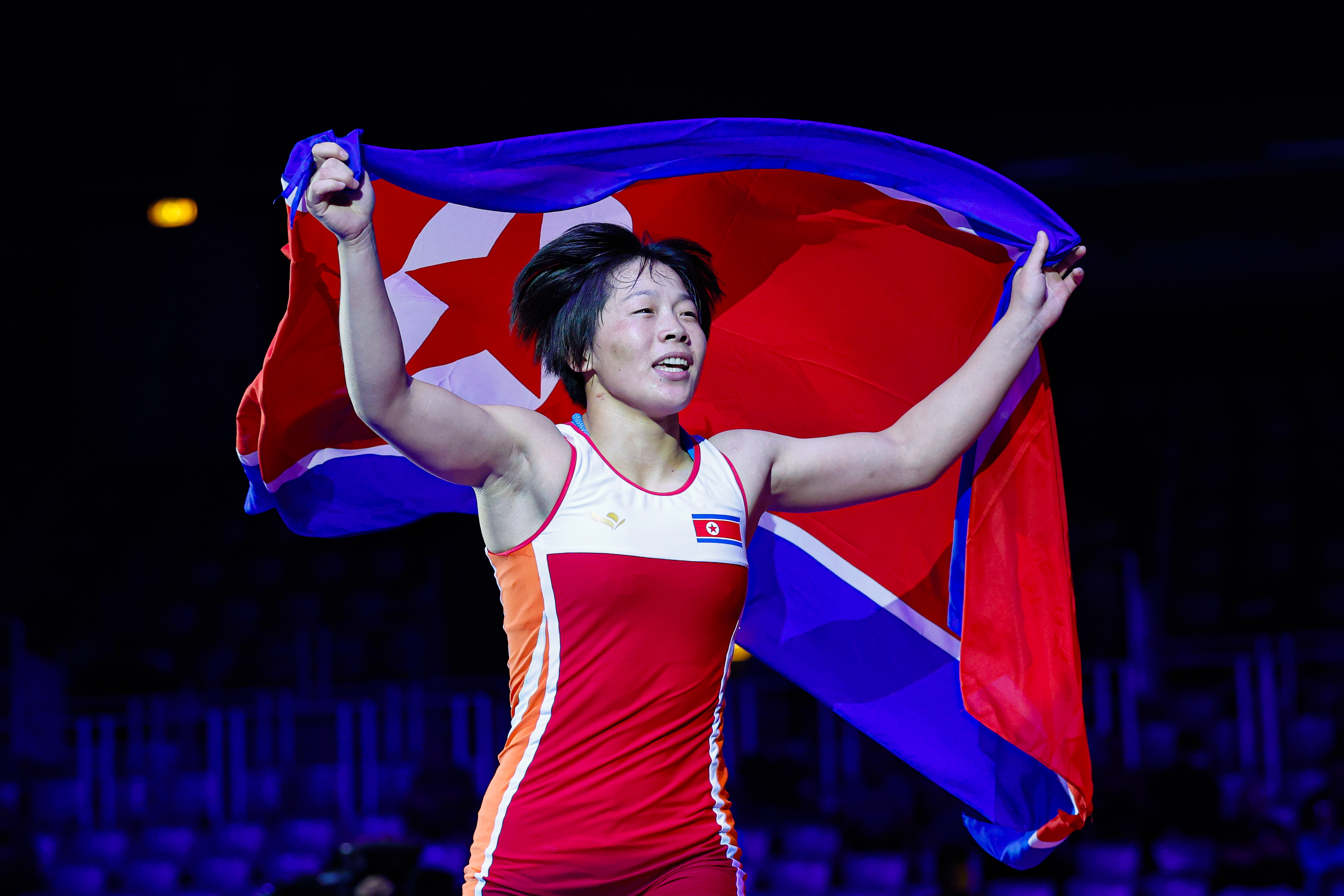 World champion Kyong Ryong OH (PRK) will lead a strong DPR Korea squad at the Ulaanbaatar Open. (Photo: United World Wrestling / Kostadin Andonov)
Women's Wrestling
The DPR Korea sent seven wrestlers in Women's Wrestling for the 2025 World Championships. The country won two golds, two silvers, a bronze medal, a fifth-place finish and one 18th-place finish and finished second overall behind Japan. A strong eight-member DPR Korea women's squad is now headed to Ulaanbaatar for the Ranking Series.
In perhaps its last competition before the Asian Games and the World Championships, DPR Korea will be hoping a strong outing and a rich medal haul at the Ranking Series, its first-ever.
World champion Kyong Ryong OH (PRK) leads the charge along with both the silver medalists from Zagreb, Il Sim SON (PRK) and Ok Ju KIM (PRK).
Oh will be at 53kg, down from 55kg, as she bids for the Asian Games spot. Her move sets up a top-tier clash against Moe KIYOOKA (JPN) who is among the three Japanese wrestlers participating in the Ranking Series. Oh had shown no chinks in her armour last year but Kiyooka may be able to exploit some. However, importantly the wrestlers will have a two-kilogram weight allowance which will give Oh the upper hand.
Apart from Kiyooka and Oh, the 53kg weight class has Asian silver medalist MEENAKSHI (IND), former Asian medalist Namuuntsetseg TSOGT OCHIR (MGL), 55kg European champion Andreea ANA (ROU) and Natalia MALYSHEVA (RUS), making the weight class among the most competitive.
The regular 53kg wrestler from the DPR Korea, Paris Olympic and world bronze medalist Hyo Gyong CHOE (PRK), is at 55kg and a young Tuba DEMIR (TUR) will look to challenge her in the weight class.
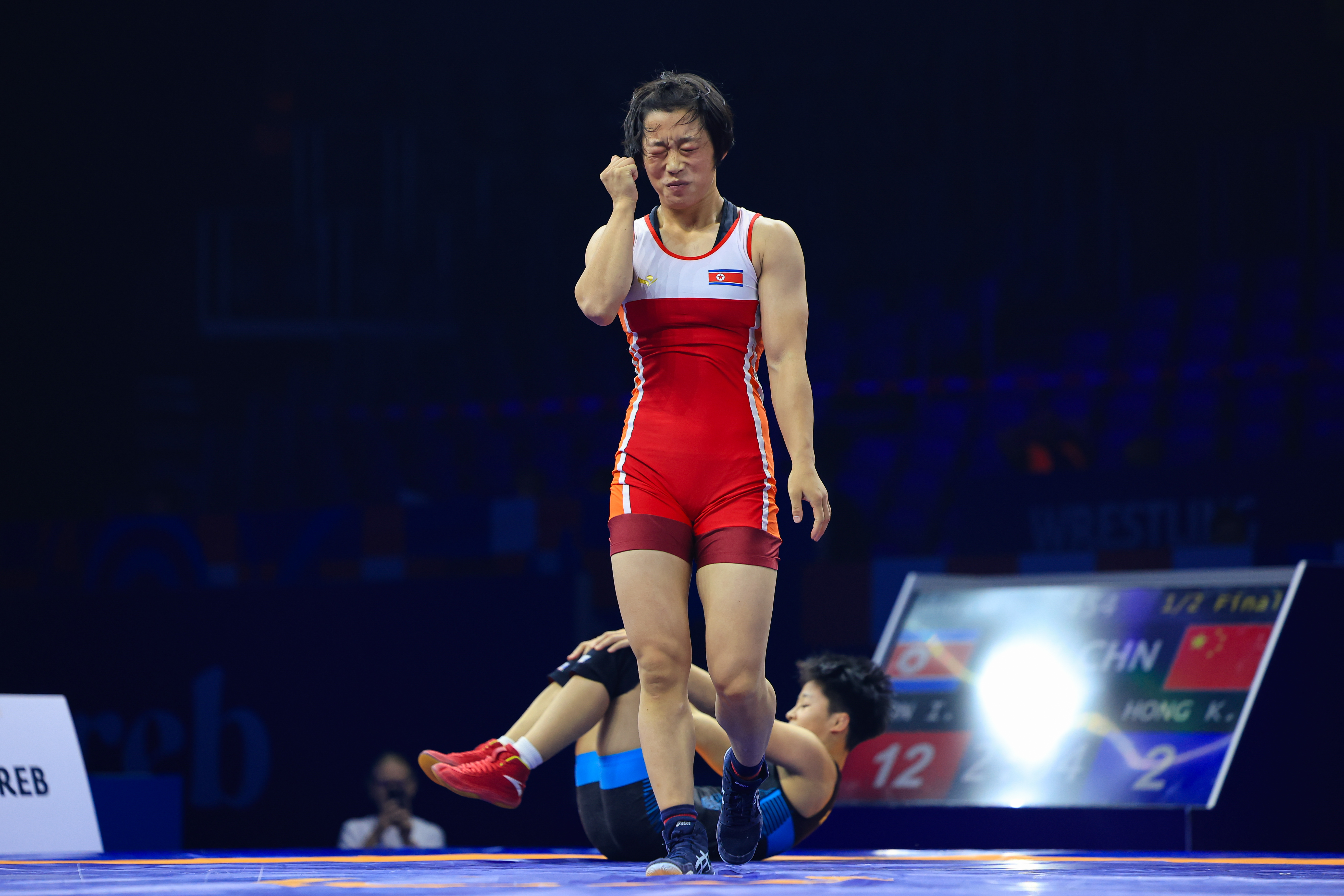 Il Sim SON (PRK) is the world silver medalist at 57kg. (Photo: United World Wrestling / Kadir Caliskan)
World silver medalist at 57kg Son is undoubtedly the best in the field. Her exploits at the World Championships helped her almost beat Helen MAROULIS (USA) in the final. Son's defence will be difficult to breach for her opponents including former Asian champion MANISHA (IND), former world silver medalist Khulan BATKHUYAG (MGL) and European silver medalist Elvira SULEYMAN KAMALOGLU (TUR).
World and Asian silver medalist Ju Kim has her eyes set on the gold medal at 62kg. In the World Championships final, she was on her way to win gold but fumbled in the dying seconds when Sakura MOTOKI (JPN) tossed her for four points to snatch victory.
Kim's opponents in Ulaanbaatar include European silver medalist Amina TANDELOVA (RUS), European bronze medalist Bilyana DUDOVA (BUL), former world champion Tserenchimed SUKHEE (MGL) and world bronze medalist Esther KOLAWOLE (NGR) among others.
Tandelova has the best chance to upset Ju Kim, who has struggled in the past with conditioning. And Tandelova's style and pace helped her in the European Championships final that she led 9-0 against Grace BULLEN (NOR) before being hit by Bullen classic trip and give up a fall.
The 50kg weight class will see Asian silver medalist Son Hyang KIM (PRK) among the favourites. She will joined by Olympic bronze medalist Ziqi FENG (CHN) who finished with a bronze medal at the Asian Championships. Evin DEMIRHAN YAVUZ (TUR) is also in the mix at this weight class.
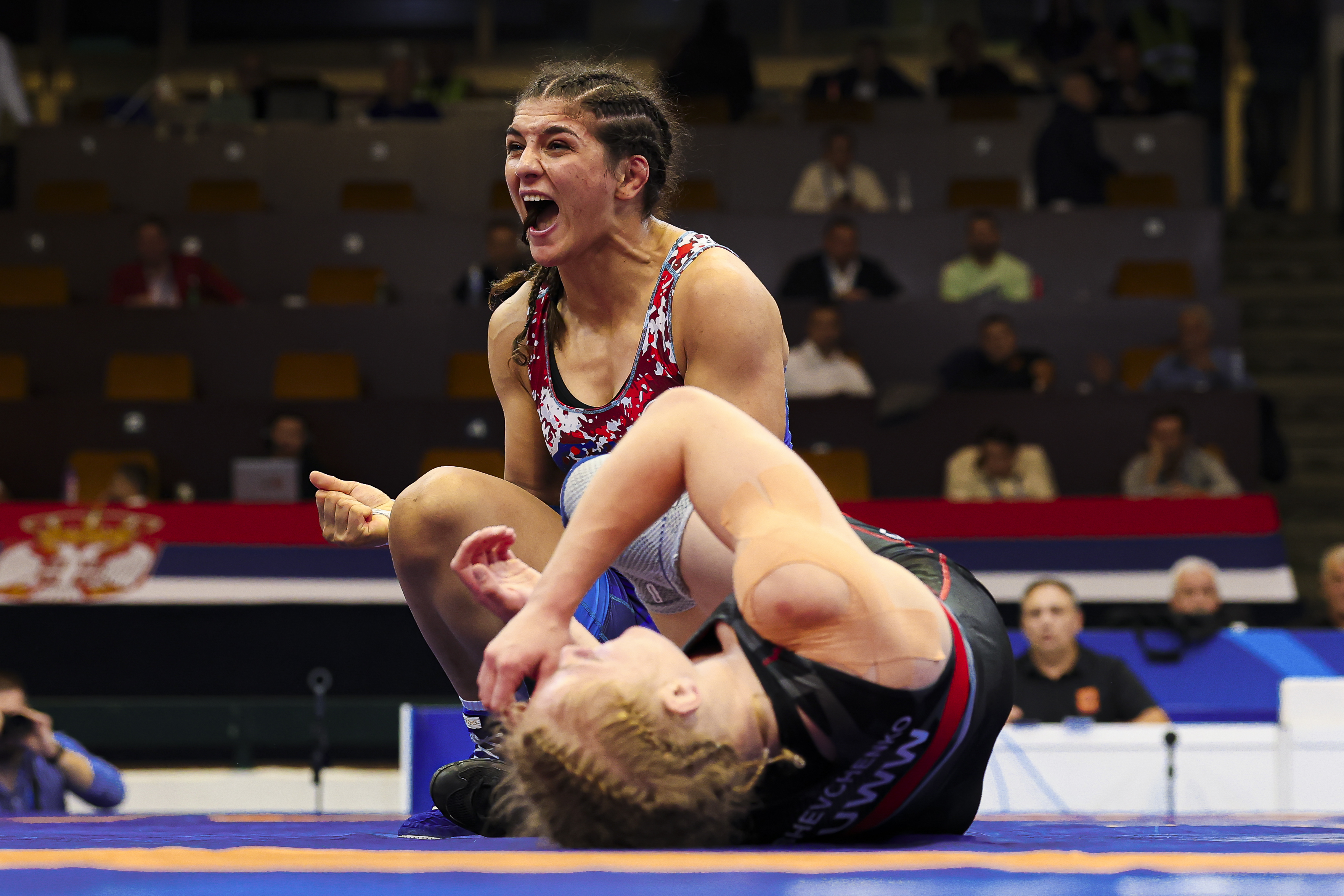 European champion Nesrin BAS (TUR) will be the favorite at 68kg. (Photo: United World Wrestling / Kadir Caliskan)
Paris Olympian Sol Gum PAK (PRK) has a tougher bracket at 68kg with European champion and world silver medalist Nesrin BAS (TUR) and European silver medalist Kateryna ZELENYKH (ROU). Bas has won nine medals, including four golds, out of the 10 tournaments she has participated in since the Paris Olympics.
Former world silver medalist Delgermaa ENKHSAIKHAN (MGL) will be carrying the hopes of the host nation which has entered its first team for the Ranking Series.
Mongolia is also banking on Enkhjin TUVSHINJARGAL (MGL) and Erdenebulgan LKHAGVASUREN (MGL) to win medals at 65kg, a weight class that will see Hyon Gyong MUN (PRK), Asian Championships silver medalist at 62kg, moving up to 65kg.
The 59kg weight class is rather open one with Asian bronze medalist NEHA (IND), European medalist Bediha GUN (TUR), home-favourite Bolortuya KHURELKHUU (MGL) among the mix with Pyol HONG (PRK), the only DPR Korea wrestler who did not wrestle for a medal at the World Championships.
The two weight classes that the DPR Korea is not sending any wrestlers are 72kg and 76kg. As is the case around the world, the 76kg category is stacked for Ulaanbaatar Open as well.
Age-group stars from Asia -- Saihan AO (CHN), Wenji LI (CHN), KAJAL (IND) and PRIYA (IND) -- are all expected to descend upon the Mongolian capital along with veteran Elmira SYZDYKOVA (KAZ) and Davaanasan ENKH AMAR (MGL)
Former European champion Alexandra ANGHEL (ROU) and another age-group star Valeriia TRIFONOVA (RUS) are also wrestling as the heaviest weight class continues to be among the most competitive one.
At 72kg, European silver medalist Wiktoria CHOLUJ (POL) will be the favourite with veteran Zhamila BAKBERGENOVA (KAZ) and HARSHITA (IND), who defeated Bakbergenova at the Asian Championships.
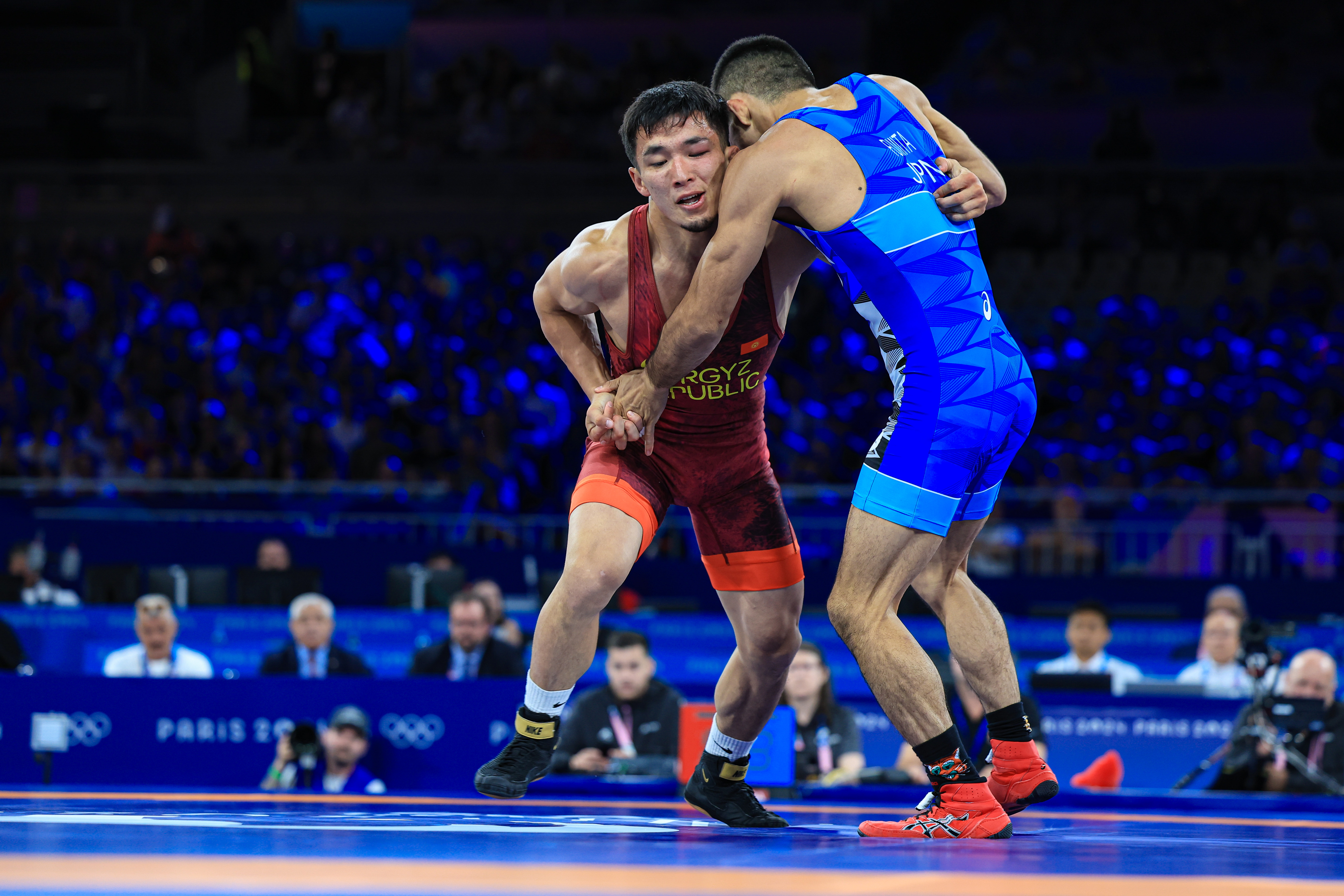 Zholaman SHARSHENBEKOV (KGZ) will return to international competition after close to two years. (Photo: United World Wrestling / Kadir Caliskan)
Greco-Roman
The much-awaited return of Olympic bronze medalist and former world champion Zholaman SHARSHENBEKOV (KGZ) will be the talking point of Greco-Roman in Ulaanbaatar. After a near two-year absence, Sharshenbekov will step out the mat for his first competition at 63kg.
Sharshenbekov was at the national camp with the Kyrgyzstan team and trained under Raul TRUJILLO DIAZ (CUB) who is in the country to prepare the wrestlers. Sharshenbekov also attended the Greco camp in Porec in February.
In Ulaanbaatar, he will be facing a field that includes Zagreb Open champion and Asian silver medalist Erfan JARKANI (IRI) and world bronze medalist Mohammad KESHTKAR (IRI). Both Jarkani and Keshtkar may well be involved in their own selection trial for the World Championships if they face each other.
Incidentally, Jarkani lost the Asian final to Aftandil TAALAIBEK UULU (KGZ), who is coached by Sharshenbekov. The Ranking Series gives a perfect platform for Sharshenbekov to return and assess his condition before the World Championships if he participates in it.
Iran's selections for World Championships will go through Ulaanbaatar and apart from 63kg, the 72kg weight class will also see a wrestle-off between Javad REZAEI (IRI) and Danial SOHRABI (IRI).
Rezaei won the Muhamet Malo Ranking Series and finished with a silver medal at the Asian Championships. He has been in good form while Sohrabi, a world bronze medalist, has not been to international competition since September. He is, however, the defending 72kg champion in Ulaanbaatar.
Others medal threats at this weight class include former U23 world champion Sultan ASSETULY (KAZ) and Amantur ISMAILOV (KGZ).
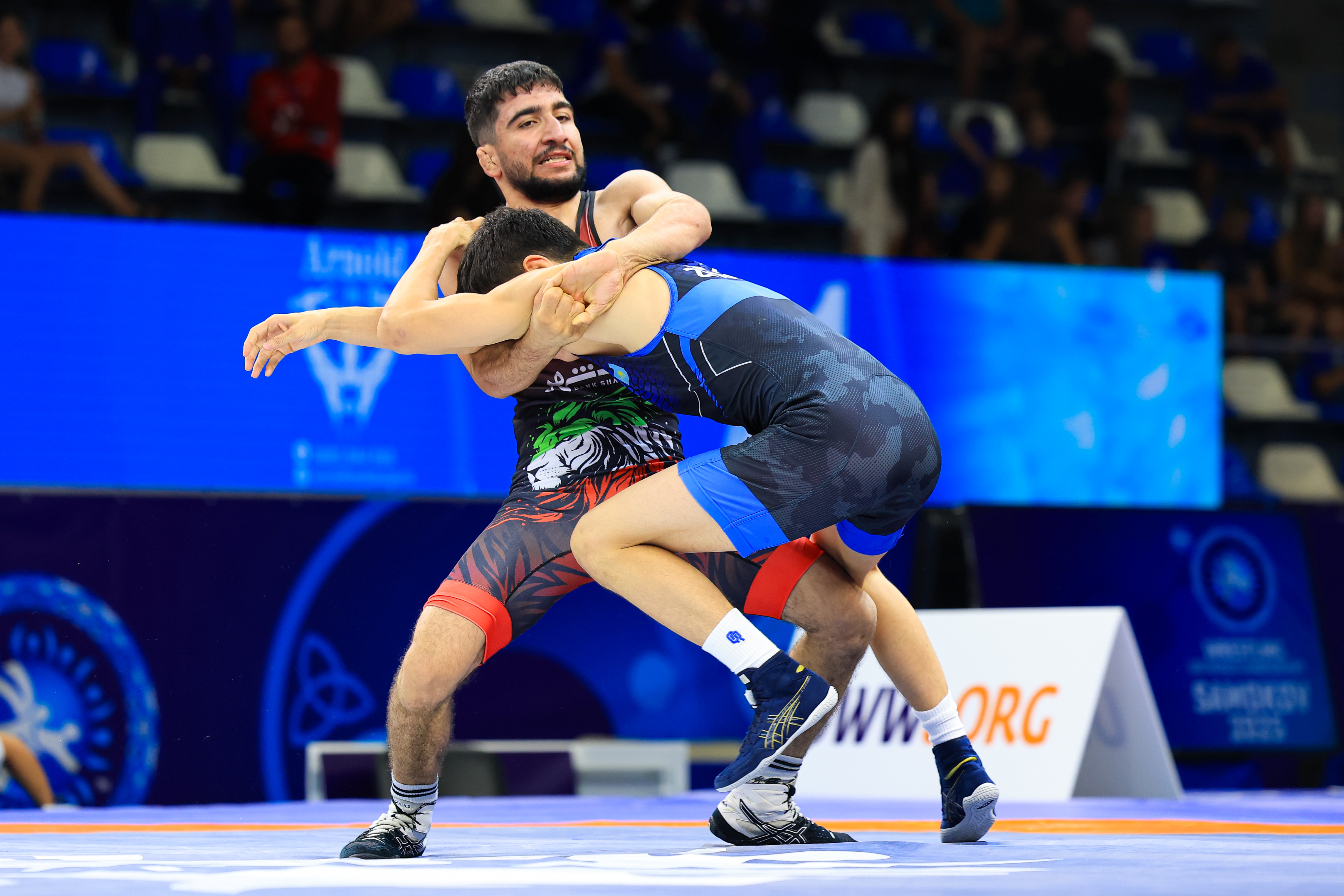 World silver medalist Payam AHMADI (IRI) will be in action at 55kg. (Photo: United World Wrestling / Amirreza Aliasgari)
Iran is also bringing its world silver medalist Payam AHMADI (IRI) at 55kg. He will be challenged by Asian silver medalist LALIT (IND) and Emin CAKIR (TUR), who finished fifth at the World Championships.
At 60kg, former U20 world champion Ali AHMADI VAFA (IRI) will continue for Iran as the country continues its efforts to find a mainstay at the weight class.
U23 Asian champion SUMIT (IND) will look to stand on the podium and so will Yu Chol RO (PRK), the Asian bronze medalist at 55kg now moving up to 60kg.
Although it seemed that he was injured at the Asian Championships, world silver medalist Hanjae CHUNG (KOR) will return to the mat two months later. He won a silver medal at 63kg last year in Ulaanbaatar but has moved up to 67kg.
He will be joined by European silver medalist Murat FIRAT (TUR) who almost defeated Hasrat JAFAROV (AZE) in the final. Firat will be among the favourites to win the gold medal. Sachin SAHRAWAT (IND) and Karajit SINGH (IND), both past Ranking Series medalists, will be hoping to finish among the medalists again.
In other weight classes, Aik MNATSAKANIAN (BUL) and Deyvid DIMITROV (BUL) will compete at 82kg perhaps to earn the first spot on the national team.
At 77kg, Stoyan KUBATOV (BUL) has AMAN (IND), Ankit GULIA (IND) and Bekzat ORUNKUL UULU (KGZ) while the 87kg has Asian bronze medalist Sunil KUMAR (IND), PRINCE (IND), Rohit BURA (IND) and Azat SALIDINOV (KGZ) among others.
Asian silver medalist NITESH (IND) will be up against Paris Olympian Kevin MEJIA (HON), Nurassyl AMANALY (KAZ) and Juan DIAZ (VEN) at 97kg.




Share your thoughts.
Comments