

Sushil Kumar Wins World Championship, Awakens Wrestling Powerhouse in India
Tuesday, December 24, 2019 - 14:12 By Vinay Siwach

CORSIER-SUR-VEVEY, Switzerland (December 24) -- India had never won a gold medal at a global wrestling event. The drought was such no one seemed to put money on any wrestler to even a medal, forget the top one. Indians weren't supposed to dominate world events in any sport.
That was about to change. On September 12, 2010, Sushil KUMAR (IND) broke all barriers to become India's first-ever gold medal winner at the World Championships in Moscow, Russia. In the 66kg weight category, Kumar would put up a commanding performance and beat Alan GOGAEV (RUS) 3-1 in the final in front of a hostile home crowd.
On the back of his bronze medal at the Beijing Olympics in 2008, Kumar arrived in Moscow as a dark-house, like he had in all global competitions. No one gave him a chance in India. But as the day progressed, the 36-year-old raised hopes.
He beat Anastasios AKRITIDIS (GRE), 6-2, in the opening round followed by Martin DAUM (GER), 4-1. Buyanjavyn BATZORIG (MGL) failed to challenge in quarter-final and lost 9-1 before Kumar eked out a close 4-3 win against Jabrayil HASANOV (AZE) in the semifinal.
"2010 was the best year," Kumar said. "Wherever I went, I won gold. Commonwealth Games, Asian Championships, World Championships. I beat a Russian wrestler in Russia."
These things were unheard of in India. Kumar's victory was hailed because no one had heard that an Indian wrestler can go to Russia and defeat their wrestler to win a gold medal.
And if the world thought Kumar's bronze in Beijing was a fluke, he changed that and gave a new life to Indian wrestling which was struggling with doping scandals, nepotism and inter-federation politics. His medal put wrestling on India's sports map and perhaps the top one too.
Kids thronged to akhadas in villages in Haryana, Delhi and Uttar Pradesh. Not only boys, but parents were ready to break social stigmas and send their girls to akhadas, a place where girls are seldom seen. New wrestling pockets emerged and broke the dominance of traditional powerhouses like Haryana and Maharashtra.
The result was seen three years later when India won three medals at 2013 World Championships and this year in Nur-Sultan, it won five, the best-ever performance.
Kumar added a silver medal at London Olympics to become India's first-ever individual to win multiple medals at the Games. But it was before that India needed a sporting hero. It got one on that September evening in Moscow.

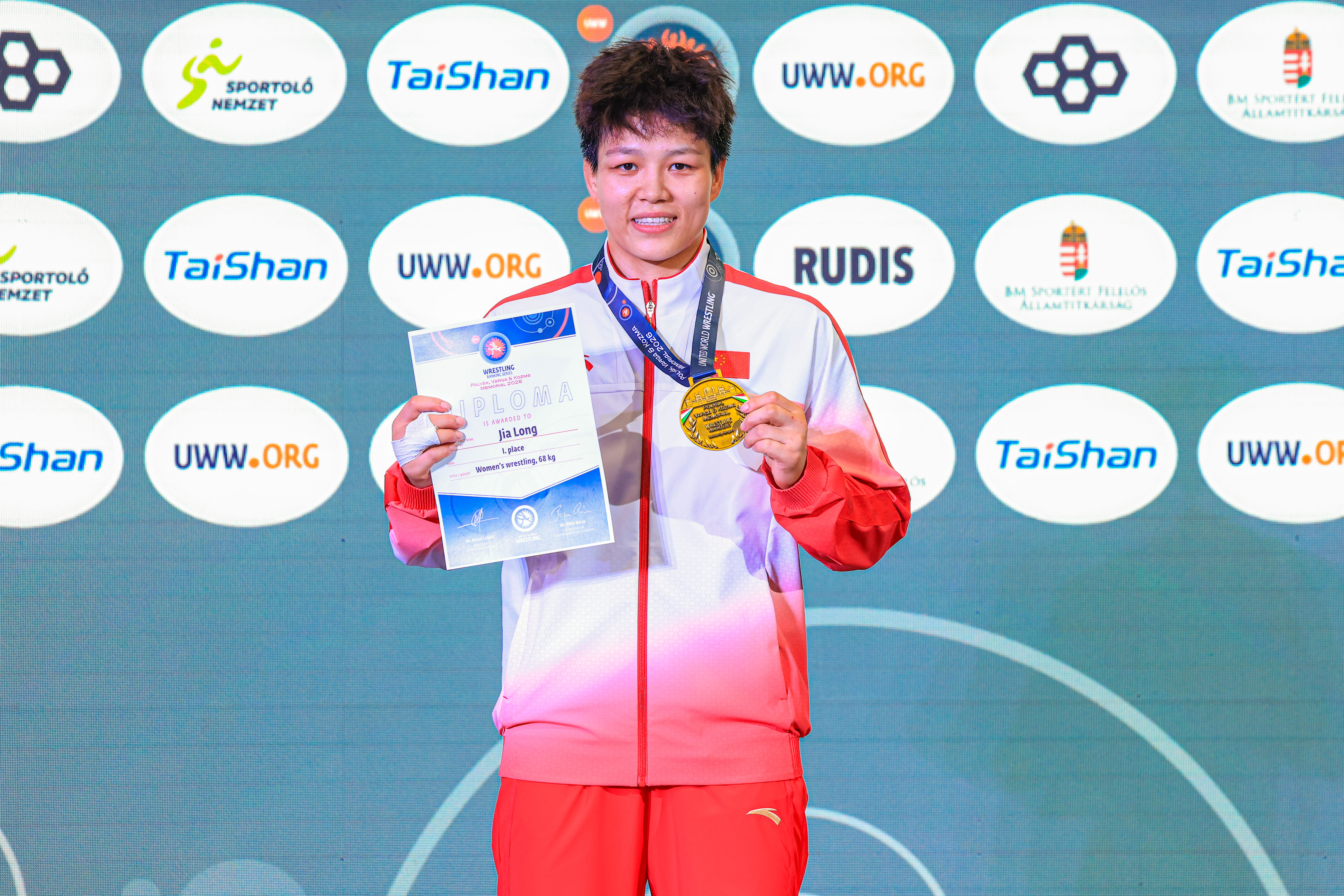 Jia LONG (CHN) won gold at 68kg in Budapest. (Photo: United World Wrestling / Amirreza Aliasgari)
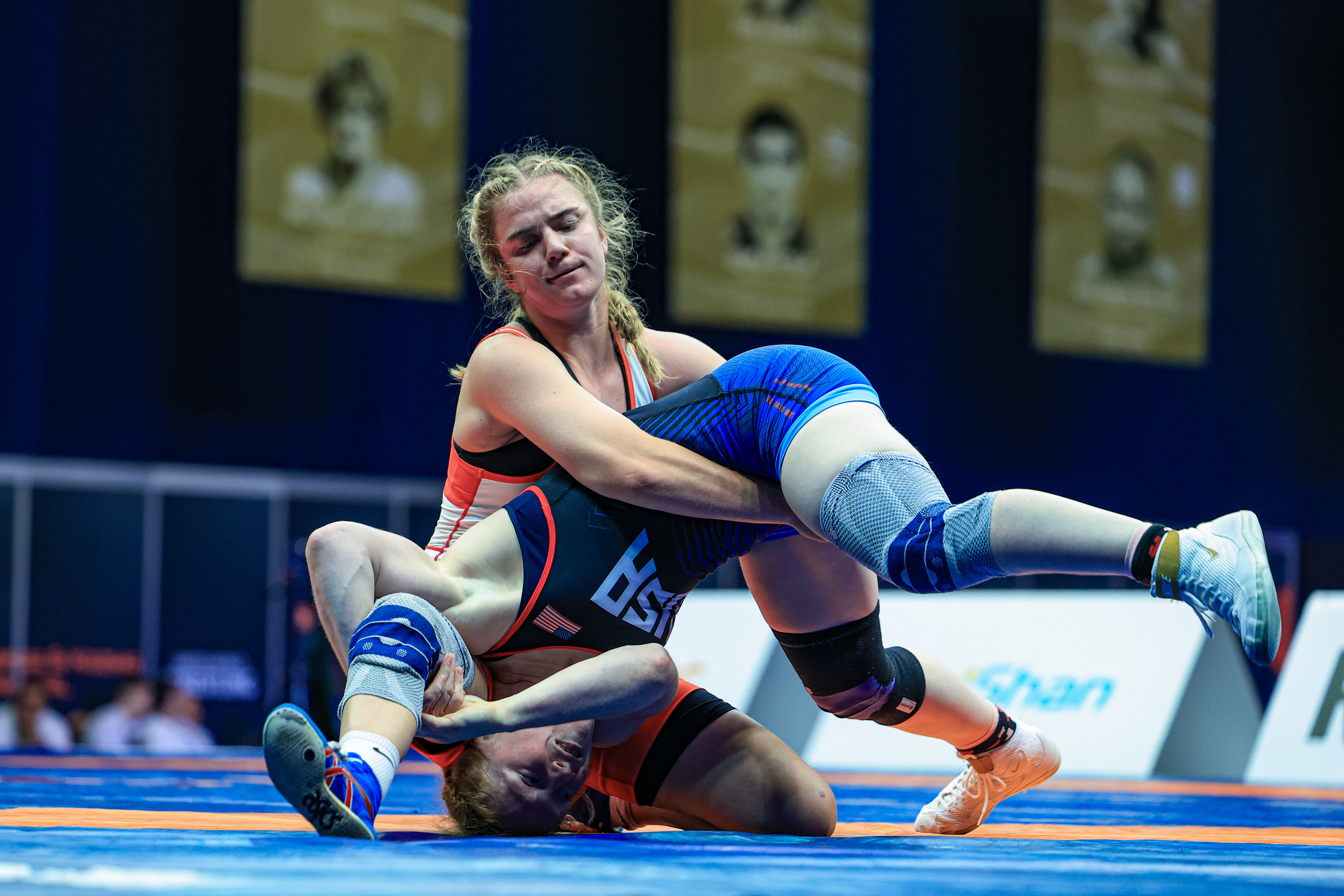 Reese LARRAMENDY (USA) defeated compatriot Jennifer PAGE ROGERS (USA), 7-1, in the 65kg final. (Photo: United World Wrestling / Amirreza Aliasgari)
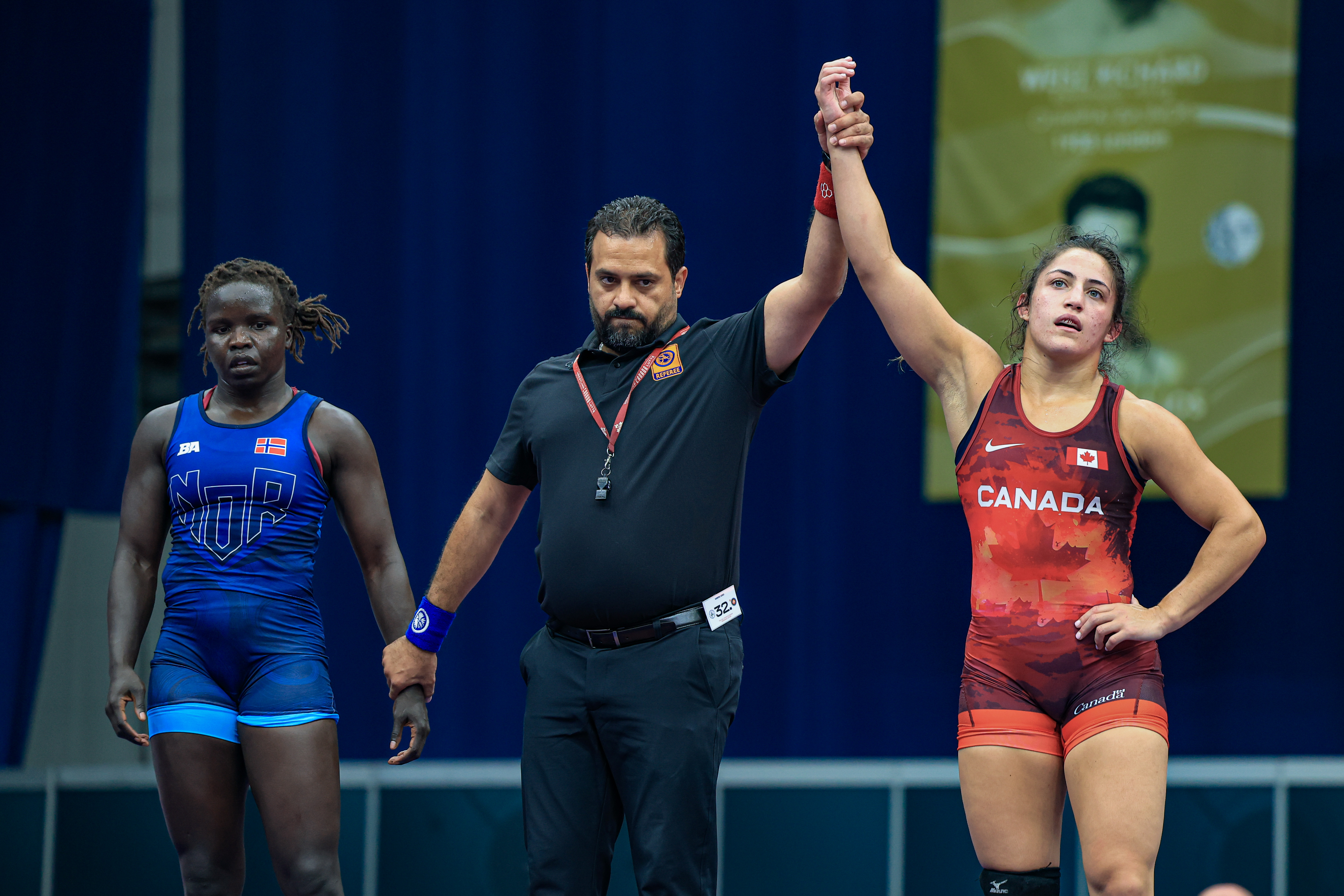 Ana GODINEZ (CAN) pulled off a thrilling 7-6 victory over Grace BULLEN (NOR). (Photo: United World Wrestling / Amirreza Aliasgari)
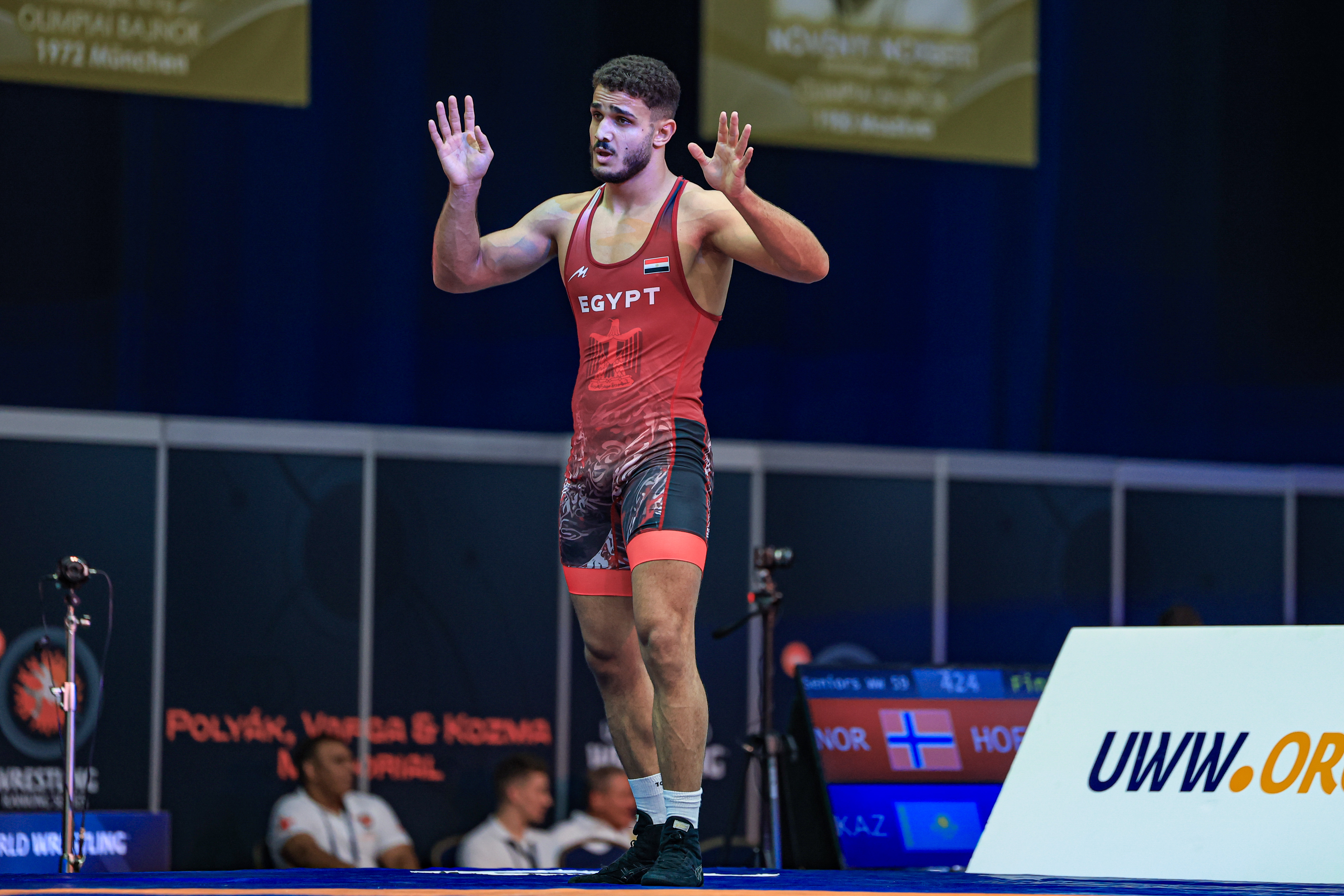 Moustafa ALAMELDIN (EGY) made a successful run at 77kg and won the gold medal. (Photo: United World Wrestling / Amirreza Aliasgari)
Share your thoughts.
Comments