

Three Past World Champions Land Spots in #Zagreb2018 Women’s Freestyle Semifinals
Wednesday, July 4, 2018 - 14:18 By Taylor Miller

ZAGREB, Croatia – The first half of the 2018 Cadet World Championships women’s freestyle semifinals have been determined and feature three 2017 World champions, including Shahana NAZAROVA (AZE), Honoka NAKAI (JPN) and Yuka KAGAMI (JPN).
Nazarova, the 2017 World champ at 38 kg, navigated through the first half of the 43 kg bracket with ease, knocking off two-time Cadet Asian champion Anna UENO (JPN) in the first round. In her semifinal, Nazarova, who took silver at this year’s cadet European Championships, will face Amina PONOMAROVA (UKR), who finished fifth at last year’s Worlds.
The other semifinal will be 2017 Cadet World silver medalist Emily SHILSON (USA) taking on three-time Cadet Euro medalist Viktoria ALEKSANDROVA (RUS).
At 65 kg, 2017 World gold medalist and 2018 Cadet Asian champ Nakai opened her tournament with a fall and advanced to the semifinals after a close 3-1 bout with Sonam SONAM (IND). Nakai will face two-time Cadet World bronze winner and two-time Cadet Euro champion Oksana CHUDYK (UKR) in tonight’s semis.
On the opposite side, there will be a battle of continental runner-ups with Cadet Asian silver medalist Xinru ZHOU (CHN) going up against Noemi SZABADOS (HUN), the 2018 Cadet European silver medalist.

The final returning World champion sits in the semifinals at 73 kg. Kagami of Japan put up a pair of tech falls to advance in the tournament. Tonight, she’ll face Valeria TRIFONOVA (RUS), who took fifth at the 2017 Cadet European Championships.
The top side of the bracket pits 2018 Cadet European bronze medalist Marion BYE (NOR) against two-time Cadet Asian medalist Qian JIANG (CHN).
While 49 kg and 57 kg may not have a returning World champ in the bracket, each features a Cadet World bronze medalist.

At 49 kg, World bronze winner and three-time Pan American medalist Lucia YEPEZ GUZMAN (ECU) raced to the semifinals with three convincing wins, including two tech falls.
Yepez will take on 2018 Cadet Asian champion Akari FUJINAMI (JPN), while the other semifinal will have Munkhgerel MUNKHBAT (MGL) going head-to-head with Polina LUKINA (RUS).
World bronze medalist and two-time Cadet European champion Anna SZEL (HUN) advanced to the 57 kg semis, where she will see Yaping ZHU (CHN), who finished fifth at this year’s Cadet Asian Championships.
The other semi at the weight will put European bronze medalist Aryna MARTYNOVA (BLR) against Cadet Asian champion Nonoka OZAKI (JPN).
The semifinal matches begin at 11:30 p.m. ET on unitedworldwrestling.com.
Semifinals pairings
43 kg
Viktoria ALEKSANDROVA (RUS) vs. Emily SHILSON (USA)
Amina PONOMAROVA (UKR) vs. Shahana NAZAROVA (AZE)
49 kg
Munkhgerel MUNKHBAT (MGL) vs. Polina LUKINA (RUS)
Akari FUJINAMI (JPN) vs. Lucia YEPEZ GUZMAN (ECU)
57kg
Aryna MARTYNOVA (BLR) vs. Nonoka OZAKI (JPN)
Yaping ZHU (CHN) vs. Anna SZEL (HUN)
65 kg
Xinru ZHOU (CHN) vs. Noemi SZABADOS (HUN)
Oksana CHUDYK (UKR) vs. Honoka NAKAI (JPN)
73 kg
Marion BYE (NOR) vs. Qian JIANG (CHN)
Yuka KAGAMI (JPN) vs. Valeria TRIFONOVA (RUS)
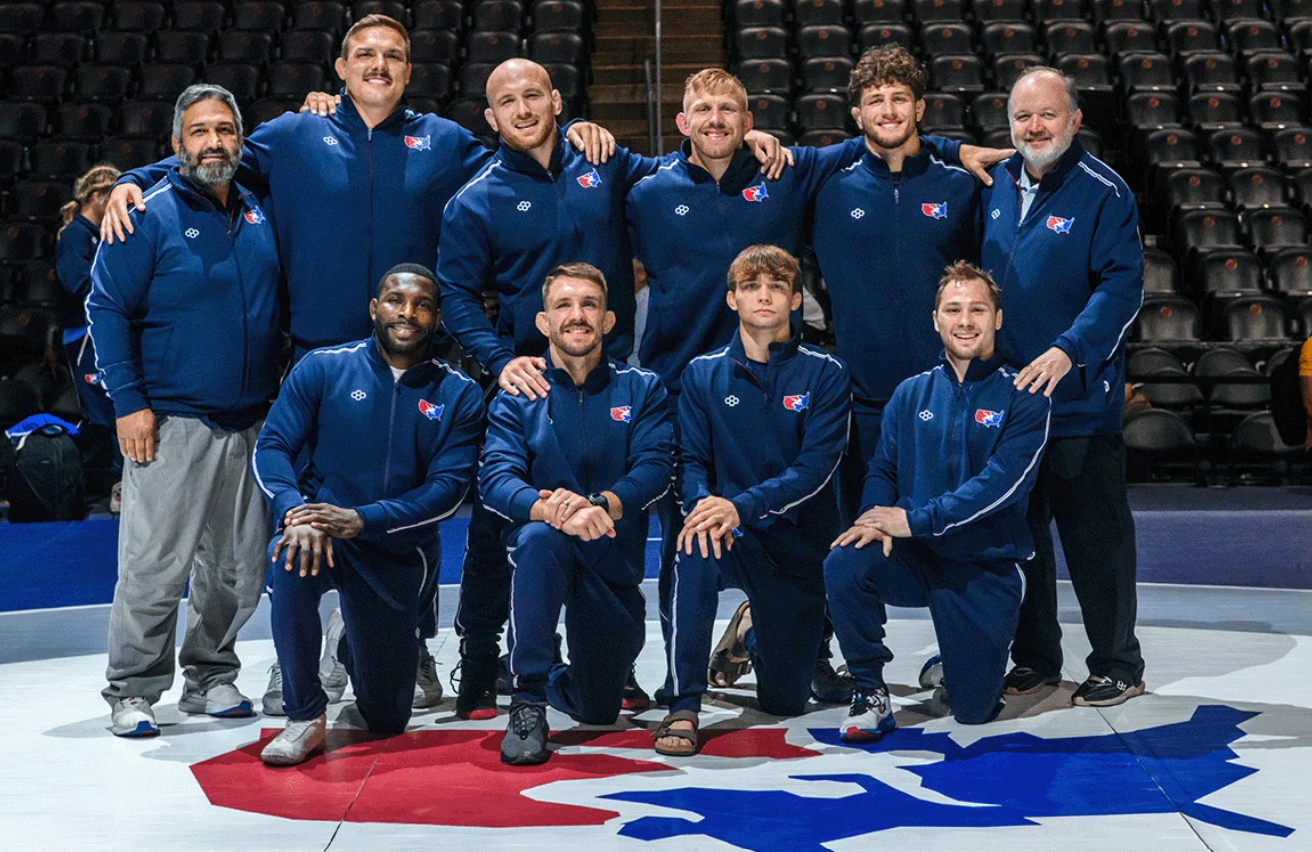 The eight winners of Final X on Friday. (Photo: USA Wrestling / Tony Rotundo)
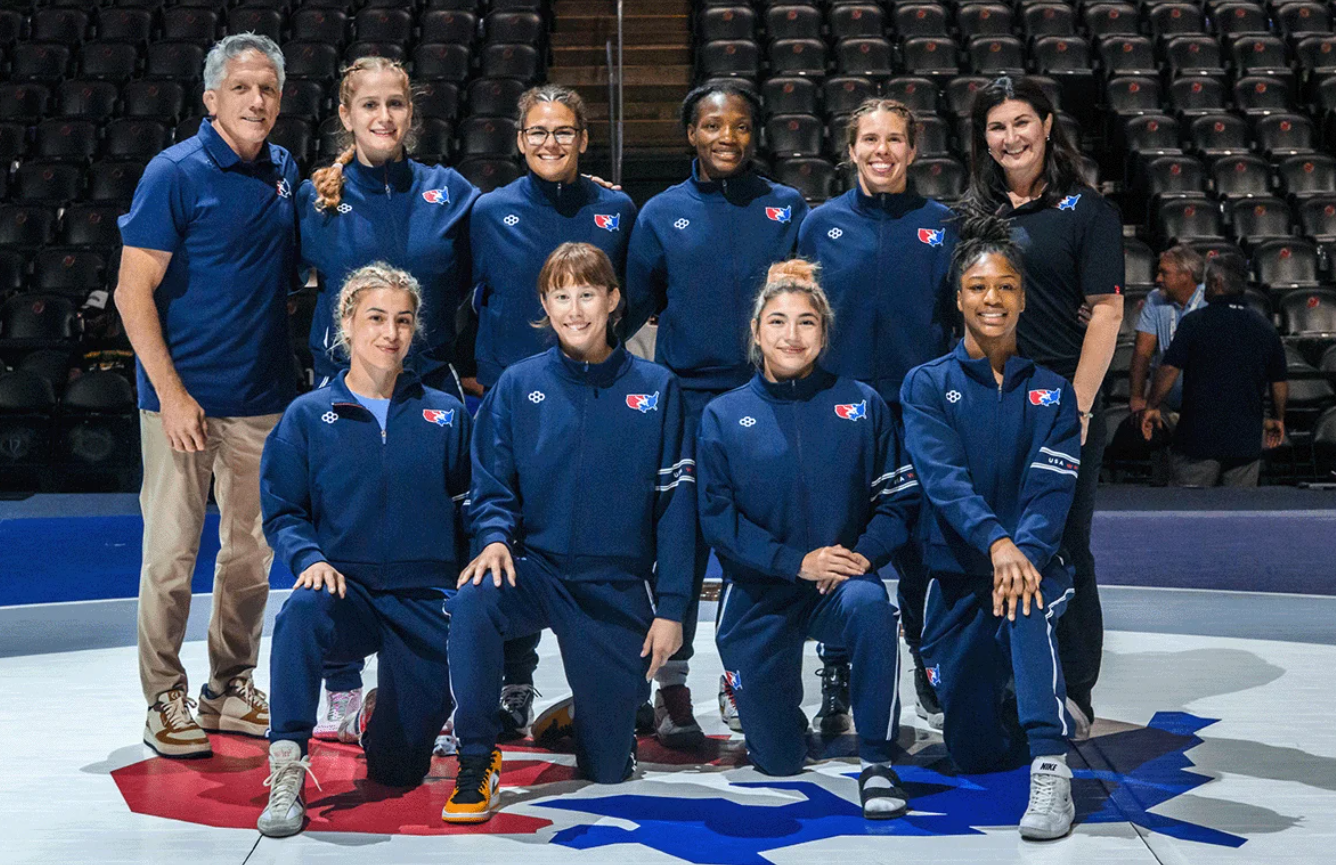 The eight Final X winners in Women's Wrestling on Friday. (Photo: USA Wrestling / Tony Rotundo)
Share your thoughts.
Comments