

UWW Changes Rules to Promote Active Wrestling, Balance in Brackets
Thursday, January 27, 2022 - 15:14 By United World Wrestling Press

CORSIER-SUR-VEVEY, Switzerland (January 27) – United World Wrestling's Bureau announced changes to wrestling's rules that are effective immediately.
One of the most significant rule changes regards points scored by the active wrestler during the 30-second “activity period.” With the updated rules, the active wrestler will receive points for any attacking moves and one point if their opponent fails to score while on the 30-second activity period.
Introducing this change encourages the active wrestler to score point(s) during the 30-second activity period.
Before last week's changes, the active wrestler received points for their attacking move or the one-point for their opponent's inactivity.
Another key decision that'll impact the match-point system is the update to fleeing the mat.
Independent of the style, any wrestler fleeing the mat will be penalized with a caution and 1 point without the need of a previous verbal warning. This penalty is counted in addition to the scored action. (Example: if action ends with Takedown = 2 points, then caution + 1 additional point. With stepping-out = 1 point, then caution + 1 point).
In Greco-Roman, fleeing the hold in both parterre and standing position will now be penalized with caution + only 1 point for the opponent.
The Bureau also approved specific changes related to challenges, draws and passivity warnings.
Qualification round draws will now be equally distributed using the top-bottom-bottom-top approach to provide a balanced bracket between the upper and lower half of the draw. The system used to place the seeded wrestlers will also follow the approach.
Examples of different types of brackets can be accessed here.
Coaches can now request a challenge after the points are published on the scoreboard or five seconds after the wrestlers come to the neutral position. This is a change from the earlier rule where the coaches only had five seconds to challenge after the score in question was published on the scoreboard.
The Bureau removed the verbal warning for passivity for U15, U17 (cadet) and Veterans as periods are shorter than U20 (junior), U23 and Seniors.
If a wrestler is in a danger position and simulates an injury while their opponent is looking for the fall, the referee will no longer stop the bout. In this case, the referee will ask for the fall, and the mat chairman will confirm it.
For a complete list of United World Wrestling's most up-to-date rule changes, please click here.

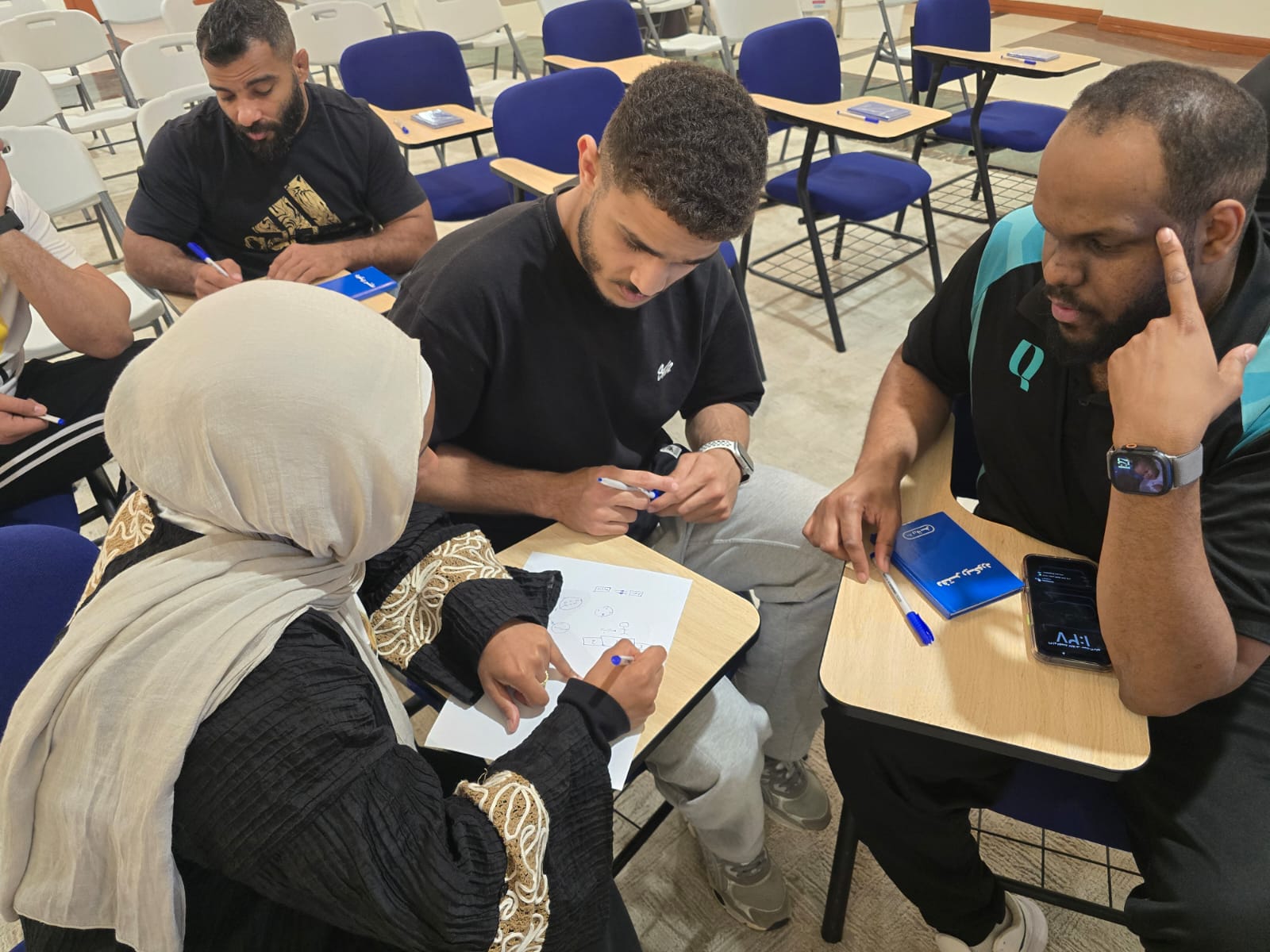 Former U20 world champion Moustafa ALAMELDIN (EGY), centre, at the course in Dammam. (Photo: United World Wrestling)
Share your thoughts.
Comments