

Wrestler Yasemin Adar Wins Mustafa Koç Sports Award
Monday, September 17, 2018 - 22:58 By GİLA BENMAYOR

Mustafa Koç, the late Turkish businessman who we lost too soon, was a leading advocate of the United Nations’ “HeForShe” initiative, which aims to get the support of men for gender equality. If he could have seen who won the second Mustafa V. Koç Sports Award, organized by Holding and the Turkish Olympics Committee, he would surely have been very pleased.
Designed by the famous designer Ivan Chermayeff, and presented by Caroline Koç, the wife of the late businessman, the award trophy was received this year by 2018 World Wrestling Champion Yasemin Adar.
She is Turkey’s first woman world champion wrestler. Adar, who also earned a 200,000 Turkish Lira prize, is a three-time successive (2016-2017-2018) world champion. When top jury Caroline Koç announced the award, she described Adar as “determined, hardworking and disciplined.” After an emotional introductory film, Adar’s speech revealed the determination of a woman who chose wrestling, widely considered a “sports for men.”
Do women ever wrestle?
“When I started wrestling, there were many prejudices. I was often told I should not do this sport and that I could not do it. As a woman, I proved what I could achieve by ignoring what was being said, by never giving up, believing in myself, never stopping and by practicing with passion.”
Adar is a role model for all women in Turkey who wish to take up wrestling.
In many cities of Turkey, there are “women’s wrestling clubs” which were opened after Adar’s successes.
There are many girls who wish to follow her and achieve success just like her. Adar already stressed this in her speech. “I now believe that my struggle was for the new generation of wrestler girls. I stepped on that mat in order to lead their way.”
A legendary name in the Olympics
Another meaningful speech during the ceremony was made by another woman who thought exactly the same as Adar years ago in the sense of leading the way for women. The first African Muslim female athlete who managed to win a gold medal in the 1984 Los Angeles Olympics: Nawal El Moutawakel from Morocco.
El Moutawakel, who used to be a vice president in the International Olympics Committee and who became Morocco’s sports and youth minister twice, is one of the legendary figures of the Olympics. Today, she is one of the leading figures of the international Olympics community.
“When I participated in the 1984 Olympics, nobody knew me and nobody believed in me,” she said in her speech.
During her successful career, El Moutawakel struggled for women’s liberation in sports.
“I am where I stand now thanks to the sports,” she said. El Moutawakel, who led the way for Muslim female athletes in the 1980s, and Adar, who leads the way for the female wrestling sports in Turkey, came together due to the Mustafa Koc Sports Awards. Watching and listening to them was a pleasure for all ceremony attendees.
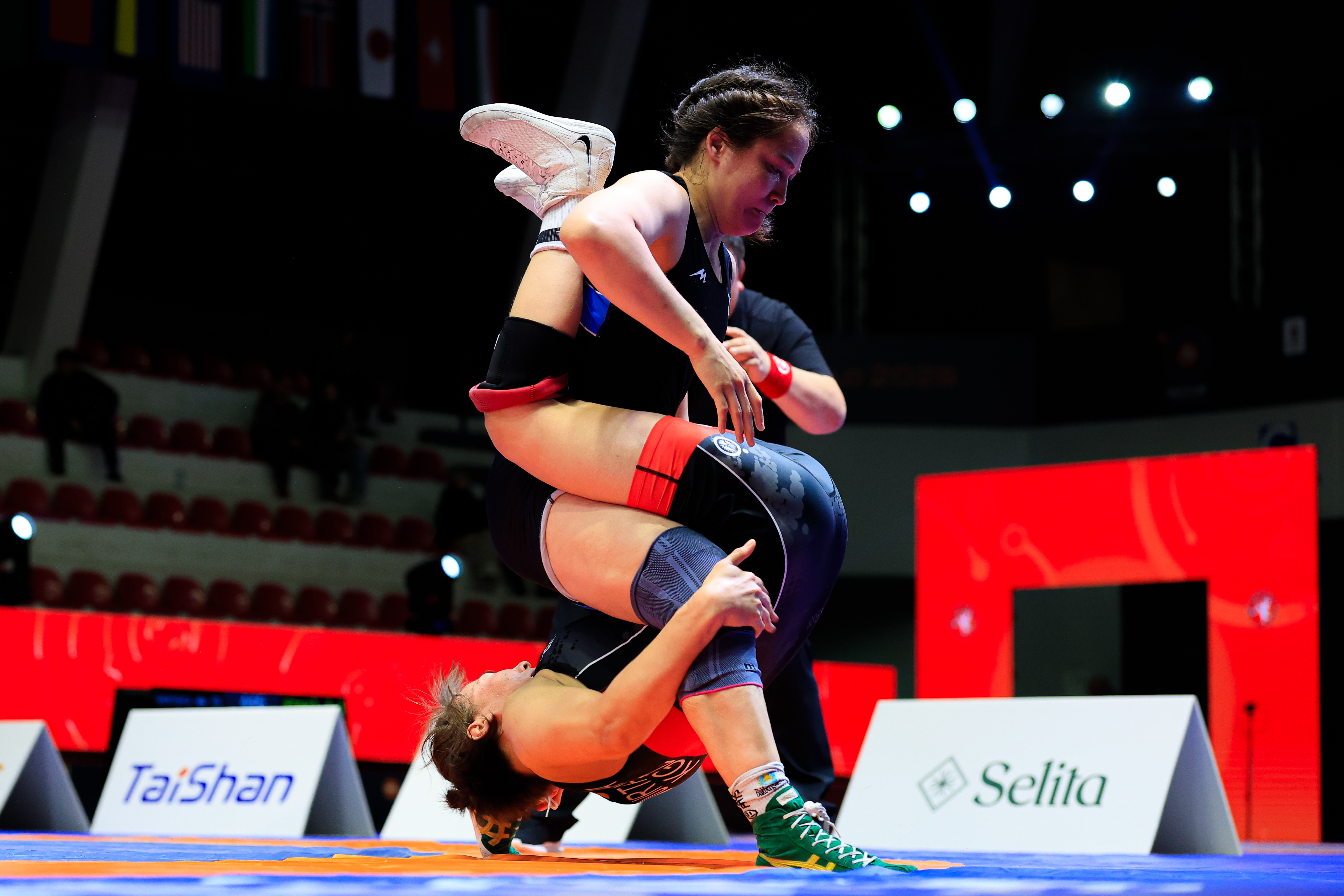 Zhamila BAKBERGENOVA (KAZ) finishes her final against Nurzat NURTAEVA (KGZ). (Photo: United World Wrestling / Kostadin Andonov)
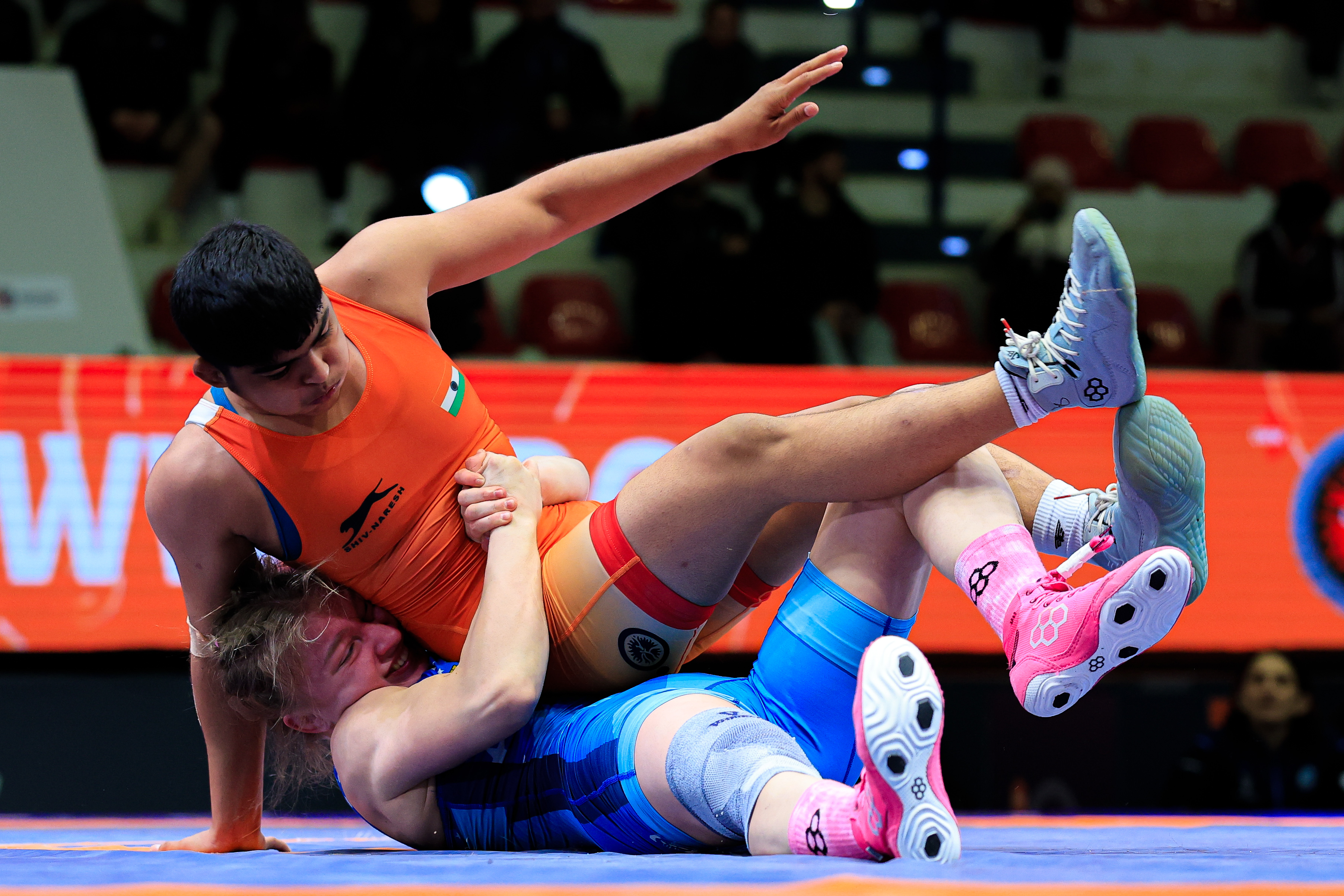 Solomiia VYNNYK (UKR) turns NEHA (IND) during the 57kg final. (Photo: United World Wrestling / Kostadin Andonov)
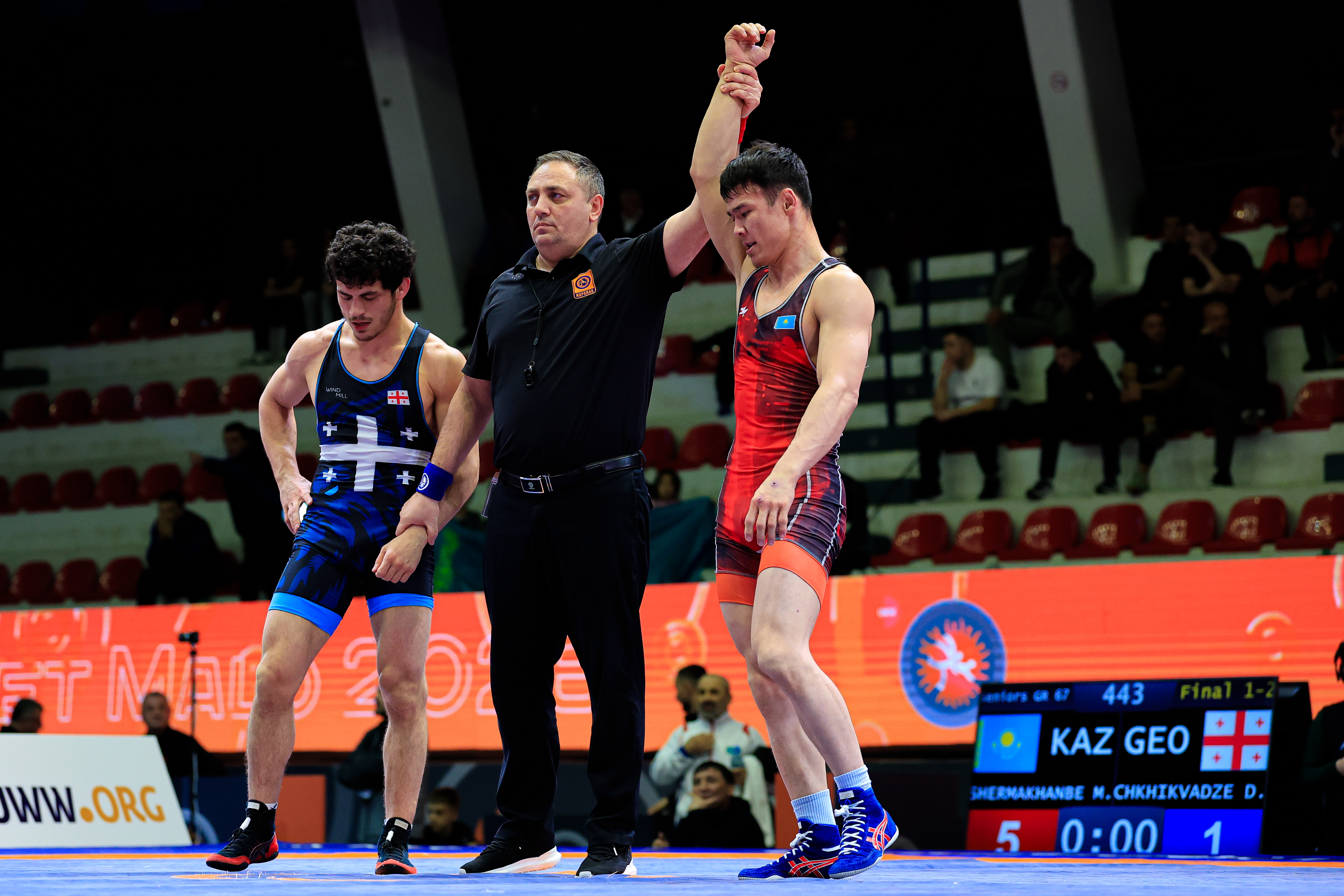 Meiirzhan SHERMAKHANBET (KAZ) won the 67kg gold after a 5-1 win over Diego CHKHIKVADZE (GEO). (Photo: United World Wrestling / Kostadin Andonov)
Share your thoughts.
Comments