BAKU, Azerbaijan (July 11) -- The U17 Wrestling World Championships will be held in Baku, Azerbaijan from July 27 to August 2 at the National Gymnastics Arena.
The competition will kick off with Greco-Roman, then move to Women's Wrestling and finish with Freestyle.
Note: The entries are subject to change

Women's Wrestling
40kg
Gulkhanim SHIRINOVA (AZE)
Rohini DEVBA (IND)
Natsumi SASAKI (JPN)
Aiaru ILIYAS (KAZ)
Ozgorush KASYMBEKOVA (KGZ)
Azzaya BATTULGA (MGL)
Fidan MAMEDOVA (RUS)
Tasmin ATHIMNI (TUN)
Sirin ASKARA (TUR)
Mariia DREBOT (UKR)
Sophia VALDEZ (USA)
Zaytuna SAPAROVA (UZB)
43kg
Vafa ORUJOVA (AZE)
Anastasiya LAZARCHYK (BLR)
Kristin ILIYNA (BUL)
Maya NAICKER (CAN)
Finja STRAUCH (GER)
DIKSHA (IND)
Sera FURUICHI (JPN)
Danara DAIRBEKOVA (KAZ)
Asema ASANGARYEVA (KGZ)
Rusalina PORTARU (MDA)
Tola RUDNIK (POL)
Valia HARSAN (ROU)
Daria MASLENNIKOVA (RUS)
Aysemin KACAN (TUR)
Valeriia YATSKIV (UKR)
Suzannah LUNDY (USA)
Mukhlisa MASHARIPOVA (UZB)
46kg
Nuray JAFARLI (AZE)
Anastasiya NIAKLIAYEVA (BLR)
Frederika GROSSE (GER)
Vivien SZENTPAL (HUN)
Sandhya VISHNOI (IND)
Kokona MAKINO (JPN)
Inzhu BAKKOZHA (KAZ)
Aiana NIIAZBEKOVA (KGZ)
Mungunchimeg GAVAA (MGL)
Julia PALKA (POL)
Alina BARANOVA (RUS)
Elif Su AKSOY (TUR)
Kateryna HOZHELOVA (UKR)
Madison HEALEY (USA)
Gulnoza ZAKIRDJANOVA (UZB)
49kg
Khadija GURBANZADA (AZE)
Milana TSIKHANOVICH (BLR)
Isabelle CHEN (CAN)
Hilary SOTO SUAZA (COL)
Lara BLAZEKOVIC (CRO)
Malak NAWWAR (EGY)
Madina BAYRAMOVA (GER)
Kamna BABAL (IND)
Saika UCHIDA (JPN)
Ayanat MEINAMBAY (KAZ)
Aiana ASYLBEKOVA (KGZ)
Mihaela BACOS (MDA)
Enerel MUNKHBAT (MGL)
Irina TSYDEEVA (RUS)
Evin DEMIR (TUR)
Olena KOLUBAI (UKR)
Isla Belle SILVA (USA)
Madina GAFUROVA (UZB)
Asia SANCHEZ (VEN)
53kg
Fatima BAYRAMOVA (AZE)
Anastasiya KEZHUN (BLR)
Valeria STANCHEVA (BUL)
Alejandra SERRANO (COL)
Lea LINGSCHEIDT (GER)
Mariia ZHYTOVOZ (HUN)
AKSHARA (IND)
Sela ROZOV (ISR)
Rion OGAWA (JPN)
Arailym KOPZHASSAR (KAZ)
Aidemi ASANGAZIEVA (KGZ)
Ruslana CARAPETIANT (MDA)
Nomin SHINEBAYAR (MGL)
Zuzanna SOKOLOWSKA (POL)
Madalina PAVEL (ROU)
Sofiia AKCHURINA (RUS)
Miriam MISAKOVA (SVK)
Rahma REZGUI (TUN)
Ecrin SALIK (TUR)
Ivanna MAIDANSKA (UKR)
Marlee SOLOMON (USA)
Guzal ABDULLAEVA (UZB)
57kg
Ulviyya MUSAYEVA (AZE)
Divine NKUNZIMANA (BDI)
Marharyta DANILEVICH (BLR)
Gurleen DHILLON (CAN)
Mia KOVAC (CRO)
Nadiia ZHOLTIKOVA (ESP)
Ana LABADZE (GEO)
Eleni GAVRINIOTI (GRE)
Janka SILLEI (HUN)
Nikita SEHRAWAT (IND)
Rion SUZUKI (JPN)
Arina KUANYSHOVA (KAZ)
Muslima BOLOTBEKOVA (KGZ)
Ana RACHITEANU (MDA)
Valentina PADRON TALAVERA (MEX)
Uranbayar BALJINNYAM (MGL)
Emilia REICH (POL)
Valeria FLOCEA (ROU)
Sofiia BELOVA (RUS)
Delia GISLER (SUI)
Emna HAMMAMI (TUN)
Su SOYALP (TUR)
Mariia POLTORAK (UKR)
Epenesa ELISON (USA)
Dilnura AVEZOVA (UZB)
61kg
Fidan BABAYEVA (AZE)
Maryia KHRUSHCHOVA (BLR)
Andrea NISEVA (BUL)
Kai PARE (CAN)
Graciela ENINGO (ESP)
Karol TAMSON (EST)
Surae ABBASSOY (FIN)
Ana TSERETELI (GEO)
Eleni NTOUNIA (GRE)
Mariama KABA (GUI)
Zea BALAZS (HUN)
AVANSHIKA (IND)
Marharyta OVCHARENKO (ISR)
Waka AWANO (JPN)
Aruzhan BAKYTNUR (KAZ)
Alina DZHARKINBAEVA (KGZ)
Lidia UNGUREANU (MDA)
Anujin ERKHEMBAATAR (MGL)
Inga KUC (POL)
Marisa ITURRINO (PUR)
Oana DUMITRU (ROU)
Kamila TEMIRAEVA (RUS)
Zaineb NASRI (TUN)
Ozdenur OZMEZ (TUR)
Yuliia HOLHOVSKA (UKR)
Landri VON GONTEN (USA)
Siysagul SARSENBAEVA (UZB)
65kg
Rana NURIYEVA (AZE)
Palina BRAHINETS (BLR)
Annie NIEMANN (CAN)
Lana PEZIC (CRO)
Yolayni ROSADO (DOM)
Vasiliki KARAVANOU (GRE)
Szonja VERES (HUN)
ANTRA (IND)
Haruka KANEMOTO (JPN)
Aisha ABDIMALIK (KAZ)
Margarita LISITA (MDA)
Sylvia ESPINOSA (MEX)
Ariunzul BOLDBAATAR (MGL)
Mariia SHANINA (RUS)
Zaineb NASRI (TUN)
Melisa SARICICEK (TUR)
Iryna BUKHTINA (UKR)
Eve SKROCKI (USA)
Shahzoda AZIMOVA (UZB)
69kg
Simura ABDULLAYEVA (AZE)
Kamila RUDZIANKOVA (BLR)
Natalia TASEVA (BUL)
Khushleen JHALLI (CAN)
Nino SAMKHARADZE (GEO)
TANIYA (IND)
Hibiki IIDA (JPN)
Khadisha FLYUK (KAZ)
Milana ULANOVA (KGZ)
Maria PAZ (MEX)
Khuslen MUNKHBAYASGALAN (MGL)
Maja WEJCHAN (POL)
Sophia ANASTASE (ROU)
Polina EFIMOVA (RUS)
Kiymet TEZCAN (TUR)
Marusia HAIDAMANCHUK (UKR)
Taina FERNANDEZ (USA)
Shakhsanem TORENIYAZOVA (UZB)
73kg
Yeseniya SALADUN (BLR)
Kaillany MELO (BRA)
Asees BAINS (CAN)
Rodina SOLIMAN (EGY)
Paula BENAIXA (ESP)
Lyra LEDERER (GER)
Bianka BARANY (HUN)
GARIMA (IND)
Tsukasa KOMADA (JPN)
Bagzhan KURMANBAY (KAZ)
Diana TURGUNBEKOVA (KGZ)
Namuuntsetseg BATBOLD (MGL)
Aisha WILLIAMS (PAN)
Karina MUZALEVSKAIA (RUS)
Sude CAMOGLU (TUR)
Solomiia PETRIV (UKR)
Kaili MANUEL (USA)
Chamangul MUKHAMMATSALIEVA (UZB)
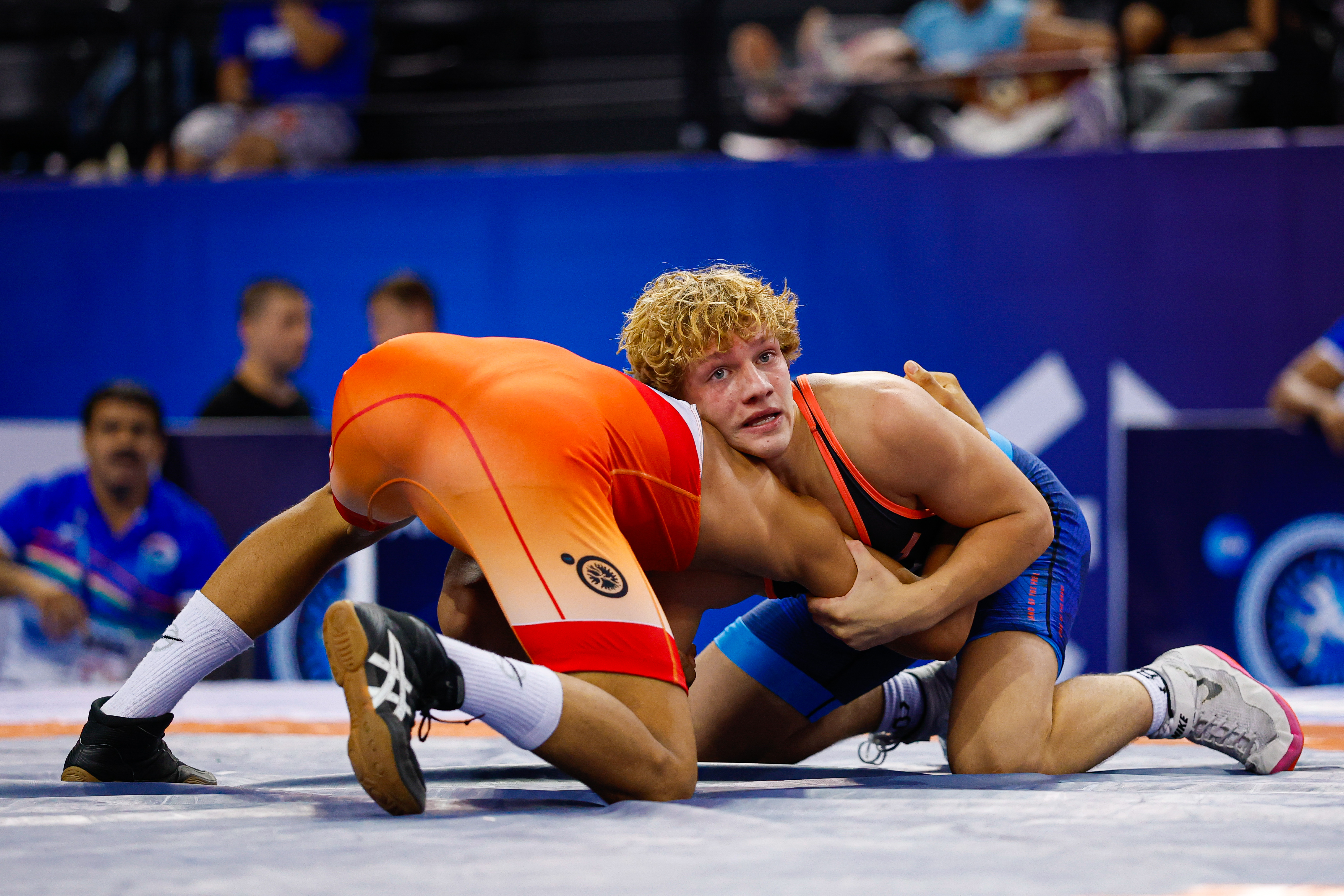 Arseni KIKINIOU (USA), a medalist in both Greco-Roman and Freestyle in 2025, will make the run again in 2026. (Photo: United World Wrestling / Kostadin Andonov)
Freestyle
45kg
Tunar HASANOV (AZE)
Aliaksandr HAMAU (BLR)
Radoslav VELIKOV (BUL)
Jude GARRUCHO (CAN)
Ahmed SALEH (EGY)
Luka DOTIASHVILI (GEO)
Hanumant JADHAV (IND)
Mahdi DAMERCHELI (IRI)
Aryn ZHANAT (KAZ)
Abdunazar BAATYRKANOV (KGZ)
Catalin COJOCARU (MDA)
Ariun Erdene ERDENETUGS (MGL)
Nelson VILLAFANE (PUR)
Aldar BADMAEV (RUS)
Baraa LAMOUCHI (TUN)
Utku SOGUTLU (TUR)
Marko KVASNIUK (UKR)
Rylen WAX (USA)
Mukhammad RAKHIMJONOV (UZB)
48kg
Huseyn RZAZADE (AZE)
Sayaan SKRABIN (BLR)
Emir DZHEVATOV (BUL)
Esneider AYALA (COL)
Zurab DOTIASHVILI (GEO)
Bogdan SAPOJNIC (GER)
AARYAN (IND)
Amirali RAGHEB (IRI)
Netanel RAHMISTOV (ISR)
Kanta NAGAO (JPN)
Bakdaulet AGABEK (KAZ)
Abdulla RYSBEKOV (KGZ)
Leonidas ZABRIAN (MDA)
Temuulen USUKHBAYAR (MGL)
Kirill KONDRASHOV (RUS)
Muslikhiddin KHODZHIEV (TJK)
Batin NANIS (TUR)
Volodymyr BOIKO (UKR)
Kooper DEPUTY (USA)
Farrukh MAKHMUDOV (UZB)
51kg
Youcef BOUKHALFA (ALG)
Murad GHARIBYAN (ARM)
Ibrahim HASANOV (AZE)
Hristiyan LAZAROV (BUL)
Guarav BAHI (CAN)
Giorgi NARIMANIDZE (GEO)
Dariusz DRZYZGA (GER)
GOVIND (IND)
Benyamin ASHOFTEH (IRI)
Tamir SHIRMAMEDOV (ISR)
Masamune USHIMADO (JPN)
Sabyrzhan RAKHATOV (KAZ)
Nurdan BODONOEV (KGZ)
Dionisie NEGRU (MDA)
Munkhtuvshin BOLOR ERDENE (MGL)
William SOTO (PUR)
Zaiden BOTHA (RSA)
Islam KURAKHMAEV (RUS)
Attila HEGEDUS (SVK)
Said NABIEV (TJK)
Yigit EGEMEN (TUR)
Volodymyr YATEL (UKR)
Evan RESTIVO (USA)
Dostonbek YULDASHOV (UZB)
55kg
Aymene ZAGHDANE (ALG)
Davit BALEYAN (ARM)
Abbas SHAFIYEV (AZE)
Nabi ISMAYIL (BLR)
Mert MUSTAFOV (BUL)
Jovanni TOVAR (COL)
Temuri TUTARASHVILI (GEO)
Adrian AIRICH (GER)
Kyryl SHUMEIKO (HUN)
Prathmesh PATIL (IND)
Arman ELAHI (IRI)
Kyosuke IKEDA (JPN)
Temirlan MURAT (KAZ)
Mukhammadiasin IZZATILLAEV (KGZ)
Valentin DELEANU (MDA)
Edgar BOCANEGRA (MEX)
Khusel Erdene PUREVBAATAR (MGL)
Przemyslaw MROZEK (POL)
Mustafa BERSANUKAEV (RUS)
Patrik VETRAK (SVK)
Yusuf KOCAK (TUR)
Kiril NAHIRNYI (UKR)
Chase KARENBAUER (USA)
Jakhongir TULKUNOV (UZB)
60kg
Santiago CHRISJOHN (ARG)
Grisha GEVORGYAN (ARM)
Eljan HASANOV (AZE)
Andrei KHARUZHY (BLR)
Mustafa FAHEL (CAN)
Adrian CANALES (ESA)
Davit MDZEVASHVILI (GEO)
Balazs HIDEG (HUN)
SITENDER (IND)
Mohammadtaha GANJEH (IRI)
Shai Beni SABAG (ISR)
Stefano GARCIA (ITA)
Shota FUJIWARA (JPN)
Mardan ORYNBASSAR (KAZ)
Mirlan NURMAMATOV (KGZ)
Victor VDOVII (MDA)
Arvinkhuslen ERDENEBAT (MGL)
Sufjan SINANI (MKD)
Witold PAWLIK (POL)
Andrew GOMEZ (PUR)
Stefan PUSCAS (ROU)
Sergei KARMRIAN (RUS)
Sami ODABASI (TUR)
Mykyta KUZMENKO (UKR)
Joseph BURKE (USA)
Bekzodbek IBROHIMOV (UZB)
65kg
Ihab BERGHOUCHE (ALG)
Erik PAPIKYAN (ARM)
Rashid NAZAROV (AZE)
Artsiom KAROTKI (BLR)
Alisson GONCALVES (BRA)
Petko SARAKOSTOV (BUL)
Ignacio FIGUEROA (CHI)
Dylan FERNANDEZ (ESA)
Sacha AUBERT (FRA)
Bidzina JINTCHARADZE (GEO)
Theodoros TSIRIPOV (GRE)
Vince LANG (HUN)
KRISHAN (IND)
Sam ARSHADGH (IRI)
Nikita KOZICH (ISR)
Minato WATATANI (JPN)
Zamir DANIYAR (KAZ)
Azamat AZYRANKULOV (KGZ)
Victor VEVERITA (MDA)
Enkhmunkh SAINKHUU (MGL)
Jovani SOLIS (PUR)
Istvan NAGY (ROU)
Janco BEZUIDENHOUT (RSA)
Magomed IBRAGIMOV (RUS)
Dario STADELMANN (SUI)
Kevin PETOCZ (SVK)
Abdumuqit NABIEV (TJK)
Noker GUVANJOV (TKM)
Beytullah BILGEN (TUR)
Tymur ABUMISLIMOV (UKR)
Arseni KIKINIOU (USA)
Shokhiddin ALIEV (UZB)
71kg
Benjamin CASAS (ARG)
Varuzhan ASLANYAN (ARM)
Yusuf BEKTEMIROV (AUT)
Tunar GULIYEV (AZE)
Vitali HARDZEI (BLR)
Nikolay ILIEV (BUL)
Mohamed HAFEZ (EGY)
Ibrahim BULGUCHEV (GBR)
Bohdan KVANTALIANI (GEO)
Ka Sing CHAN (HKG)
Matyas DERCSAR (HUN)
ANUJ (IND)
Reza SHAMSIPOUR (IRI)
Orel BENOGUEV (ISR)
Koichiro NAGAI (JPN)
Adilet RYSBAY (KAZ)
Abdumalik BAIZHIGITOV (KGZ)
Pavel MAVRODI (MDA)
Narantulga ENKHBAATAR (MGL)
Igor KACZMAREK (POL)
Joab CARRILLO (PUR)
Mokhmad BAISULTANOV (RUS)
Gergo BOTH (SVK)
Idris BAKHROMOV (TJK)
Mekan HUDAYBERENOV (TKM)
Cemal PURCU (TUR)
Dmytro KURSENKO (UKR)
Camryn HOWARD (USA)
Jaloliddin DJALALOV (UZB)
80kg
Vache ASLANYAN (ARM)
Nihad SULEYMANLI (AZE)
Mikhail CHAPAK (BLR)
Cassiano ZUSE PICOLOTTO (BRA)
Koen HURLBERT (CAN)
Yassin EZZAT (EGY)
Arshavir DARAKHSHANIFARA (FIN)
Rati REVAZASHVILI (GEO)
Zeteny TUGYI (HUN)
Deepanshu KHOKHAR (IND)
Amirali FERASATI (IRI)
Takahiro HAGINO (JPN)
Adilbek YERBOLATOV (KAZ)
Alii ZAKIRZHANOV (KGZ)
David PANFILI (MDA)
Layden ACEVEDO (PUR)
Kantemir ELMESOV (RUS)
Martin MOKRAS (SVK)
Ayubjon BOZORZODA (TJK)
Shaapbas ESGEROV (TKM)
Volkan BILGIN (TUR)
Salakhuddin ABDULAIEV (UKR)
Jayden OFARRILL (USA)
Abdukodir SARSENBAEV (UZB)
92kg
Johnson TSAKIRAKIS (AUS)
Elgun KARIMLI (AZE)
Anatoli TAMAROVICH (BLR)
Tyler LANGFORD (CAN)
Ali DADAEV (FRA)
Marshall EVERETT (GBR)
Nuradin MUSTAFAEV (GEO)
Sahibdeep SINGH (HKG)
Zsombor SIMON (HUN)
SAKSHAM (IND)
Reza ISAZADEH (IRI)
Shu YOSHIDA (JPN)
Nurislam AITUGAN (KAZ)
Kamil ONDURUSHOV (KGZ)
Arnas JOKIMCIUS (LTU)
Eugen DOHOTER (MDA)
Khuslen TSERMAA (MGL)
Maciej SLOWIANSKI (POL)
Alan GARCIA (PUR)
Abdurazak SHABANOV (RUS)
Emomali SAFARALIZODA (TJK)
Yasin ERTURK (TUR)
Artem ZALVOVSKYI (UKR)
Salah TSARNI (USA)
Amirbek FAZLITDINOV (UZB)
110kg
Hakim TAGHIYEV (AZE)
Daniil ZHYVULA (BLR)
Stefan STEFANOV (BUL)
Udaypartap BILLEN (CAN)
Murtaz BAGDAVADZE (GEO)
Sergko CHOUTSISVILI (GRE)
Arush RANA (IND)
Amirhossein ESMALI (IRI)
Hanto HAYASHI (JPN)
Sagyndyk TEMIRGALY (KAZ)
Ilias TAKIROV (KGZ)
Ernests STABINS (LAT)
Skomantas RIMKUS (LTU)
Alexei USANOV (MDA)
Serjbudee PUREVJAV (MGL)
Magomed OMAROV (RUS)
Adam KOSC (SVK)
Emomali SAFARALIZODA (TJK)
Yigit AKTAS (TUR)
Valerii PICHUHIN (UKR)
Peter MOCCO (USA)
Behruz ASHIROV (UZB)
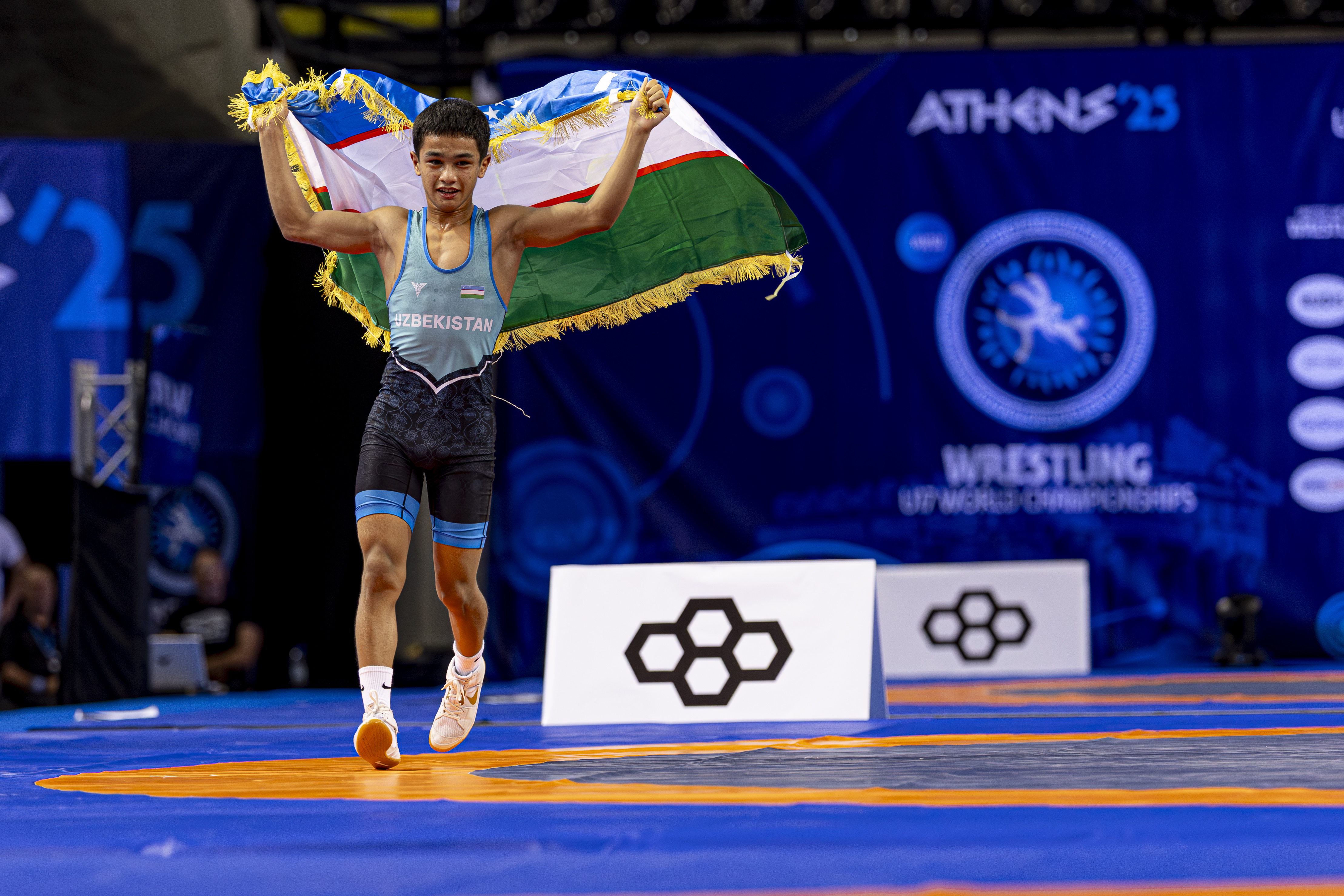 2025 world champion at 48kg Bunyod HASANOV (UZB) will be at 51kg in Baku. (Photo: United World Wrestling / Kadir Caliskan)
Greco-Roman
45kg
Vazgen VARDANYAN (ARM)
Ali JAVADLI (AZE)
Ognyan BURGAZOV (BUL)
Luka BOLKVADZE (GEO)
Sachin SHIROLE (IND)
Armin ESMAEILI (IRI)
Ryunosuke TANAKA (JPN)
Nurislam PAKHITZHAN (KAZ)
Baizhigit BAKIEV (KGZ)
Nelson VILLAFANE (PUR)
Arsan ALIEV (RUS)
Kerem DERMAN (TUR)
Rodion SVIRIDENKO (UKR)
Rylen WAX (USA)
Afruzbek IBRAGIMOV (UZB)
48kg
Houssem BOUHA (ALG)
Ararat AVETISYAN (ARM)
Omar SALMANOV (AZE)
Tzvetan NIKOLOV (BUL)
Giorgi CHKHIKVADZE (GEO)
Benedek TOMBOR (HUN)
Avinash CHETAKE (IND)
Ali ESMAEILI (IRI)
Ichia INAOKA (JPN)
Ali ALMAS (KAZ)
Abdyshukur DURUSALYEV (KGZ)
Hector AGUILAR (MEX)
Soltan IUSUPOV (RUS)
Mustafa KARAKOSE (TUR)
Tymur MAHARRAMOV (UKR)
Arav PANDEY (USA)
Javokhir SHARIFBOEV (UZB)
51kg
Lyes BOUMAZA (ALG)
Gevorg HARUTYUNYAN (ARM)
Abdurrahman HUSEYNLI (AZE)
Boris KRUMOV (BUL)
Jan BERAN (CZE)
Saba ABASHIDZE (GEO)
Georgios CHONDRONASIOS (GRE)
Sandor KURDI (HUN)
Dhiraj DAPHALE (IND)
Ahmad BADRADDINI (IRI)
Eito SATO (JPN)
Kuanyshbek ZHANGAZHOL (KAZ)
Azhybek MANAPOV (KGZ)
Vadim TARELUNGA (MDA)
Artem TKACHENKO (RUS)
Ali IPEK (TUR)
Denys KIRYK (UKR)
Wyatt DANNEGGER (USA)
Bunyod HASANOV (UZB)
55kg
Gegham YEGHIAZARYAN (ARM)
Gurban MAJNUNOV (AZE)
Tsimafei SEMIANENKA (BLR)
Lavozier WADIK (BRA)
Danimir YORDANOV (BUL)
Timo MARCENKOV (CZE)
Abdullah AHMED (EGY)
Giorgi KEDELIDZE (GEO)
Samuel PUSCAS (GER)
Nikolaos ZINISA (GRE)
Keve KOVACS (HUN)
HARIOM (IND)
Vahid ASHIRI (IRI)
Hiroki TAZAWA (JPN)
Diyar AMANALI (KAZ)
Alikhan MIINAZAROV (KGZ)
Domantas MERKELIS (LTU)
Andrei SOCHIRCA (MDA)
Daniel JACOBO (MEX)
Abu Bakar SAGA (NOR)
Vlad TRIP (ROU)
Edem PAIZIEV (RUS)
Umarjon MUKHTOROV (TJK)
Muhammet KARATEKIN (TUR)
Illia VANZHUL (UKR)
Corey BROWN (USA)
Asilbek KARIMOV (UZB)
Haniel RODRIGUEZ (VEN)
60kg
Artush PETROSYAN (ARM)
Elmir CHARKAZOV (AZE)
Raman SHARKOU (BLR)
Vladislav IVANOV (BUL)
Roko CURIC (CRO)
Simon SEBECEK (CZE)
Mohamed AHMED (EGY)
Sultan KUSHT (FIN)
Giorgi CHACHUA (GEO)
Christiano LIEBZEIT (GER)
Pavlos TSENTIDIS (GRE)
Milan BUDAI (HUN)
Darpan CHAUDHARI (IND)
Amirreza TAHMASBPOUR (IRI)
Andrea DE MARZIO (ITA)
Hinata HANAMORI (JPN)
Nurali ASKAR (KAZ)
Ulan DZHANALIEV (KGZ)
Ronaldas POGOZELSKIS (LTU)
Vlad DANILA (MDA)
Alexandru LUNGU (ROU)
Mikhail STEPANOV (RUS)
Makhdi BAROTOV (TJK)
Osman OZDEMIR (TUR)
Rakhman GAMIDOV (UKR)
Cooper MATHEWS (USA)
Sadriddin TULKINBOEV (UZB)
65kg
Vazgen MNATSAKANYAN (ARM)
Orkhan HABIBLI (AZE)
Andrei MAYEUSKI (BLR)
Georgi MARKOV (BUL)
Lovro VIDOVIC (CRO)
Gaspar SANCHEZ (CZE)
Abdalla ABDELMAGEED (EGY)
Ramin Ram YOUSEFI (FIN)
Vasili LOMJARIA (GEO)
Dionysios BOULOUTIDIS (GRE)
Imre JUHASZ (HUN)
Kunal DAGAR (IND)
Armin GHOLI (IRI)
Tamirlan KHALIMOV (ISR)
Yuki UEDA (JPN)
Miras MAKHAMBET (KAZ)
Ramil BERDIKULOV (KGZ)
Mangirdas BRAZDZIUNAS (LTU)
Nicolae CERNOUS (MDA)
Raul CASTILLO MOLINA (MEX)
Raffaele HIGHT (NED)
Adam ELNAGAR (PLE)
Gabriel LUNGU (ROU)
Shamil LABAZANOV (RUS)
Bakhtovar PRIMQULOV (TJK)
Emirhan DOGAN (TUR)
Ibrahim NASIBOV (UKR)
Arseni KIKINIOU (USA)
Sardor MAKHMUDOV (UZB)
71kg
Janes NAZARYAN (ARM)
Houdaifa BOUTARFAYA (ALG)
Ali MAMMADOV (AZE)
Siarhei DOUHI (BLR)
Kristiyan KRASTEV (BUL)
Cristobal ALIAGA (CHI)
Luka SEVEREC (CRO)
Tanel LAISARV (EST)
Eeli OJALA (FIN)
Nikoloz KUTUBIDZE (GEO)
Dimitrios SARAPIS (GRE)
Ervin CZUCZOR (HUN)
Parnam SINGH (IND)
Esmaeil ZAHERDOUST (IRI)
Yehonatan NEMSADZE (ISR)
Nicolas DE GRECIS (ITA)
Soya AKASHI (JPN)
Alinur TOLEUGALI (KAZ)
Baiel NURALIEV (KGZ)
Dmitrijus PETROVICEVAS (LTU)
Bogdan TALMACI (MDA)
Martin LETVIK (NOR)
Julian IWASZKO (POL)
David MALDONADO (PUR)
Albert DEACU (ROU)
Aslan DZUEV (RUS)
Luka ZELIC (SRB)
Mahdi AZIZBOEV (TJK)
Resit YURUK (TUR)
Roman IVANYK (UKR)
Aiden ARNETT (USA)
Kodirjon FOZILOV (UZB)
80kg
Vahe HOVEYAN (ARM)
Isfahan HASANOV (AZE)
Yaraslau BLOTSKI (BLR)
Stoyan ZEBEKOV (BUL)
Toma JELENC (CRO)
Jalo KETONEN (FIN)
Luka BUIGLISHVILI (GEO)
Suraj SHARMA (IND)
Alireza REZAEI (IRI)
Yonatan LEONTYEV (ISR)
Koan VALENTINI (ITA)
Ryohei MARUYAMA (JPN)
Alikhan KUSHEV (KAZ)
Nurluutan KUBATOV (KGZ)
Benediktas BUBELEVICIUS (LTU)
Vitalii MADJAR (MDA)
Szymon TREDER (POL)
Layden ACEVEDO (PUR)
Ilias GADABORSHEV (RUS)
Arijan ALIJA (SRB)
Sheroz GHANIJONI (TJK)
Abdulhalik BAL (TUR)
Danyil MELNYCHUK (UKR)
Ivan IVANOV (USA)
Abdulaziz KHOLMIRZAEV (UZB)
92kg
Aleksan SHALJYAN (ARM)
Zohrab SAFAROV (AZE)
Mark KOT (BLR)
Filip DUREV (BUL)
Niko VIDOVIC (CRO)
Ahmed ELGENDI (EGY)
Shota TABATADZE (GEO)
Sascha SCHWAB (GER)
Polykarpos SERVETAS (GRE)
Sandor ANTALY (HUN)
Rajvardhan PATIL (IND)
Amirreza MEHRITALARPOSHTI (IRI)
Sagi MIREL (ISR)
Sarito KAMENAGA (JPN)
Ali BEKENGAZY (KAZ)
Sanjar STALBEKOV (KGZ)
Vladislav VASYLEVSKYI (MDA)
Jose ESPARZA (MEX)
Tomasz MITAL (POL)
Ionut PATRU (ROU)
Aslan KARDANOV (RUS)
Todor AKSENTIJEVIC (SRB)
Matti EICHMANN (SUI)
Yusuf AKSU (TUR)
Hlib YEVSIEIEV (UKR)
William ETU (USA)
Mirjalol SHOVKATOV (UZB)
110kg
Khachik KHACHATRYAN (ARM)
Mahammad MUSTAFAYEV (AZE)
Yahor SAVICH (BLR)
Luiz PINHEIRO (BRA)
Yoan DIMITROV (BUL)
Petr GRUBER (CZE)
Mohamed ELSAFY (EGY)
Osma TURUNEN (FIN)
Saba TAKIDZE (GEO)
Harsh DALAL (IND)
Aliakbar AKOO (IRI)
Mitsuyoshi URUSHIMA (JPN)
Arystan TEMERGALI (KAZ)
Elbek TURGUNOV (KGZ)
Viesturs KILKENS (LAT)
Mateusz TOMELKA (POL)
Eugen Florin POPA (ROU)
Fedor SUKHAREV (RUS)
Andrej SIMIC (SRB)
Kaan DONERTAS (TUR)
Tymofii PRYKHODKO (UKR)
Bruno PALLONE (USA)
Shokhjakhon ILKHOMOV (UZB)




Share your thoughts.
Comments