

In Southeast Asia, boost in referee numbers
Thursday, May 25, 2023 - 05:51 By United World Wrestling Press

PHNOM PENH, Cambodia (May 25) -- In a bid to improve the skills of referees in the region, an Introduction to Refereeing course was hosted by the Cambodian Wrestling Federation prior to the South East Asian Games.
The course was conducted between May 8-12 and organized by the President of Southeast Asia and Vice President of CWF Casey BARNETT.
Conducted by United World Wrestling Educator and IS Olympic referee Ashok KUMAR (IND), the course allowed referees from Southeast Asia to improve their skills prior to being evaluated at SEA Games for a potential UWW referee license.
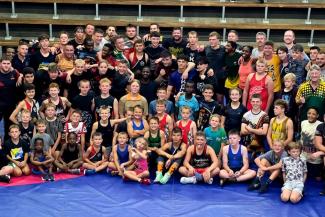
There were 17 participants that took part in the course. This included referees from Cambodia, Indonesia, and Ukraine.
“Most of the candidates were young referees in their twenties. They were extremely enthusiastic and excited to learn about referee skills," Kumar said.
During the course, participants learned the foundations of what it takes to be a great referee. The areas covered during the course included: the safety of the athletes, evaluation of holds, referee mechanics, positioning, and controlling the bout.
The five-day course gave the participants extra practice because of the limited wrestling activities in the region.

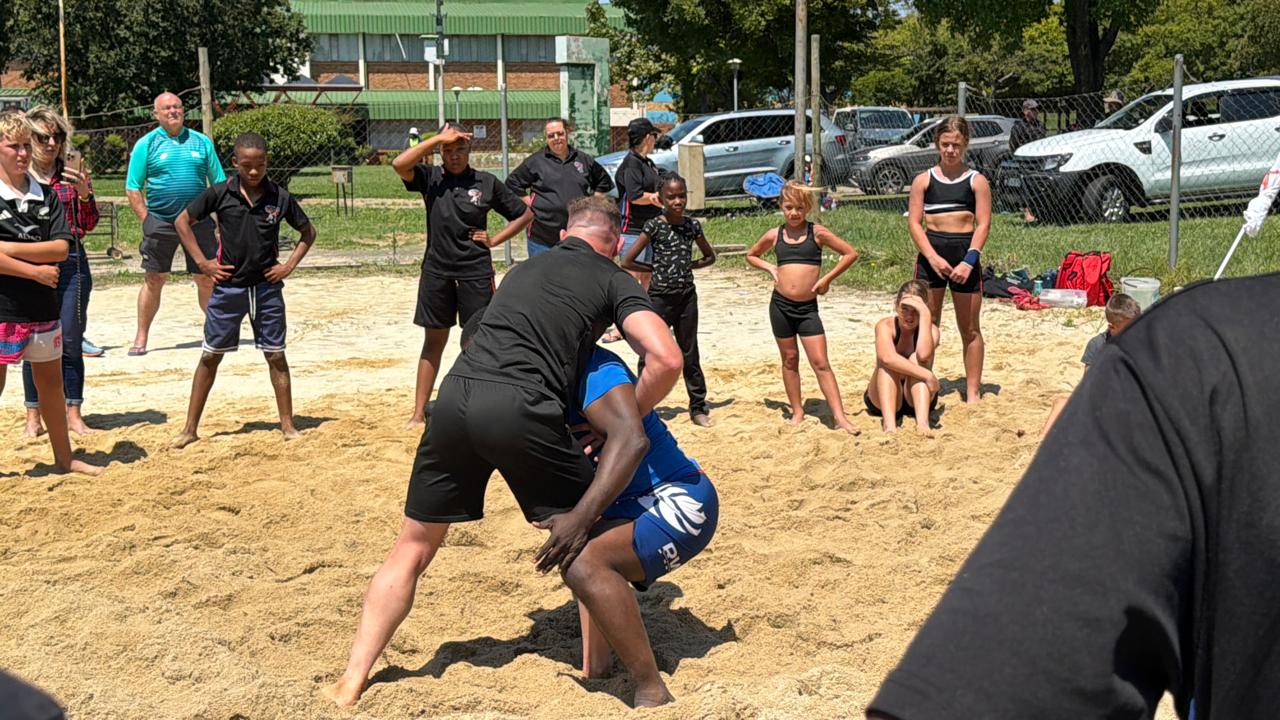
Each day, they conducted theoretical sessions in the morning at the CamEd International Business School. Then in the afternoon, the participants had practical sessions at the training hall.
"The extra practice and longer course were perfect for the candidates. This was evident with the amount of improvement they showed on the final day of the course,” Kumar added.
At the conclusion of the course, the referee candidates completed the UWW Level 1 course and practical during the SEA Games. With their performance, they hope to see an increase in the number of UWW-licensed referees.
“The training course was a wonderful success with the excellent class instruction of Kumar and the amazing mentoring and supervision of Jang. The skills developed by our referees will make a long-lasting impact on the sport of wrestling in Southeast Asia by improving the standard of refereeing and competitions in the region," Barnett said.
Even the participants of the course expressed their satisfaction and hailed the course as transformative.
"Throughout the SEA Games in Cambodia, I had the opportunity to participate in Referee Training Course which was educated by an expert educator from UWW. I used to doubt and ask myself if I can make it or not. As a result [of the course], I was able to successfully achieve it,” Huy LYSIENG, a Cambodian referee, said.
Another referee added that the emphasis was put on the right areas and the course will help them perform their duty in the right manner.
“I particularly enjoyed the structure of the course," Mykyta SHYMKO, a referee from Ukraine, said. "It managed to strike a balance between theoretical knowledge and practical skills, allowing us not only to understand the rules of wrestling but also to apply them in practice. It was also wonderful to see that you placed special emphasis on ethics and fairness in refereeing, making our sessions even more valuable.”
Share your thoughts.
Comments