

#Anti-Doping

Iraq conducts anti-doping education program

By United World Wrestling Press

CORSIER-SUR-VEVEY, Switzerland (August 16) -- At the request of the United World Wrestling, the Iraqi Wrestling Federation held a four-day anti-doping education program from August 11 to 14, 2022.

The seminar was conducted in collaboration with the Iraqi Anti-Doping Agency.

Dozens of wrestlers, across various age groups, along with coaches and athletes’ support staff attended the sessions, where they were educated about their obligations and rights as per the World Anti-Doping Agency (WADA) Code.

Several subjects were discussed during the sessions. The wrestlers, their coaches and support staff were made aware of the WADA’s list of prohibited substances, effective as of January 1, 2022. The prohibited list may include any substance or methods that satisfy any two of the following three criteria: if it enhances an athlete’s sporting performance; if it is an actual or potential health risk to the athlete; or if it violates the spirit of sport, as defined by the WADA Code.

The wrestlers were also educated about the consequences of doping, the testing protocols, the risks associated with nutritional supplements and therapeutic use exemptions.

Mr Shaalan Al Tamimi, the president of the Iraqi Wrestling Federation, said: “I am very satisfied with this project and we will continue this close collaboration on education with the anti-doping organization in Iraq to combat harmful conduct for our sports community.”

The four-day anti-doping program was in continuation of UWW’s quest for clean sport and an effective anti-doping education is a crucial part of it. In partnership with the WADA and the International Testing Agency, the UWW is determined to fight against doping in Wrestling (Olympic and Associated Styles) and works closely with National Wrestling Federations, National Anti-doping Agencies and National Olympic Committees.

Education is the key to preventing doping, which should be the primary objective. The UWW's anti-doping education initiative offers a comprehensive program for all stakeholders, particularly young wrestlers. National Federations, too, have a crucial role to play in educating their wrestlers. UWW encourages and supports any program they wish to set up in partnership with their National Anti-doping Agency.
#development

South Africa Advances National Wrestling System with DNSS Phase 2

By United World Wrestling Press

PRETORIA, South Africa (April 8) -- South Africa has reached a decisive milestone in its long-term wrestling development strategy with the successful implementation of Phase 2 of the Development of National Sport System (DNSS) programme, delivered in collaboration with United World Wrestling (UWW) and supported by Olympic Solidarity.

Following the diagnostic and mapping phase conducted earlier, Phase 2 marks a clear transition from analysis to structured implementation, laying the foundation for a sustainable and internationally aligned wrestling system.

Led by UWW Development Officer Vincent AKA, in close cooperation with the South African Wrestling Federation (SAWF), the National Head Coach, Markus DEKKER and Provincial Coordinators, the programme was deployed across multiple provinces through a structured 10-day intervention from March 2 to 13. 

Activities were conducted in key locations including:

· LPWA (Ion Bachu)
· CGWA (Ruiter)
· NGWA (Menlo Park Hall)
· Frank Joubert Tournament (Menlo Park Hall)

This nationwide approach ensured direct engagement with provincial structures, strengthening alignment between national leadership and local associations while promoting inclusive development across the country.

From Talent Identification to System Building

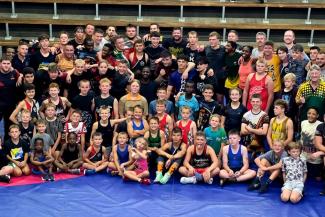
Unlike traditional training camps, DNSS Phase 2 focused on identifying talent and building long-term development systems. Wrestlers and coaches from all age categories -- U13, U15, U17, U20, and Senior -- were actively involved, ensuring a complete pathway approach.

Provincial visits and stakeholder meetings played a key role in assessing facilities and operational structures, strengthening coordination between SAWF and provinces, and identifying emerging wrestlers.

Building Athlete Pipeline

A training camp for different provinces brought together wrestler to consolidate talent identified during Phase 1 and introduce standardized training methodologies.

The training camp included technical sessions, physical conditioning, match simulations and wrestling. The initiative contributed to the creation of an updated national prospect and the foundation of a structured athlete monitoring system.

South Africa

Beach Wrestling Gains Momentum

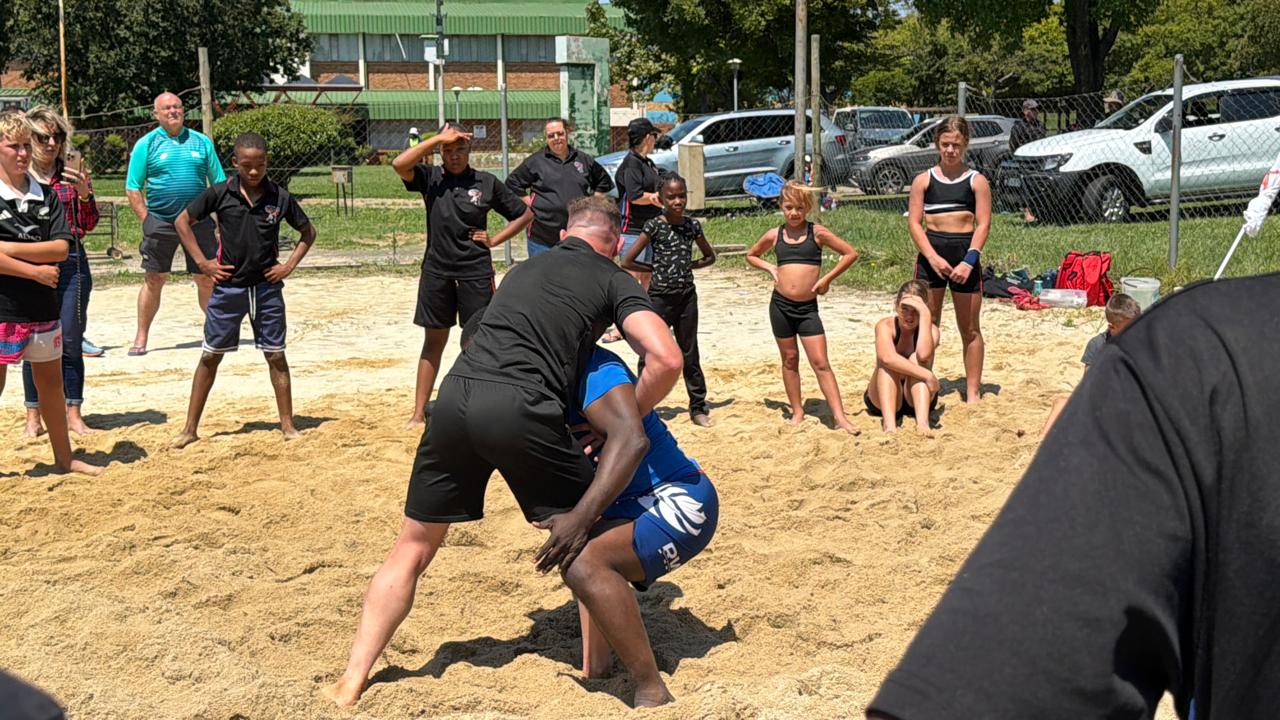
As part of the DNSS activities, a Beach Wrestling training session in Roodepoort highlighted the programme’s expanding impact.

During the visit, Aka led a specialized session, sharing advanced technical insights adapted to beach wrestling. It included stance and balance adjustments, grip and control techniques, and movement adaptation on sand.

The training programme comes at a crucial time, as South African athletes prepare for African Beach Wrestling Championships in Alexandria, Egypt and other international tournaments.