ZAGREB, Croatia (September 10) -- Sakura MOTOKI (JPN) is the only Paris Olympic champion entered in Women's Wrestling for the World Championships in Zagreb.
While four of the six champions in Paris had world titles to their names, only Motoki and now retired Sarah HILDEBRANDT (USA) did not. Motoki wants to change that.
"As the alarm on my smartphone to wake up in the morning, I use the music they play during the winning lap at the World Championships," Motoki had said after winning against Ozaki. "Each time I hear it, it gives me an unpleasant feeling and makes me remember what happened. Even after I won at the Olympics, that sinking feeling never really went away."
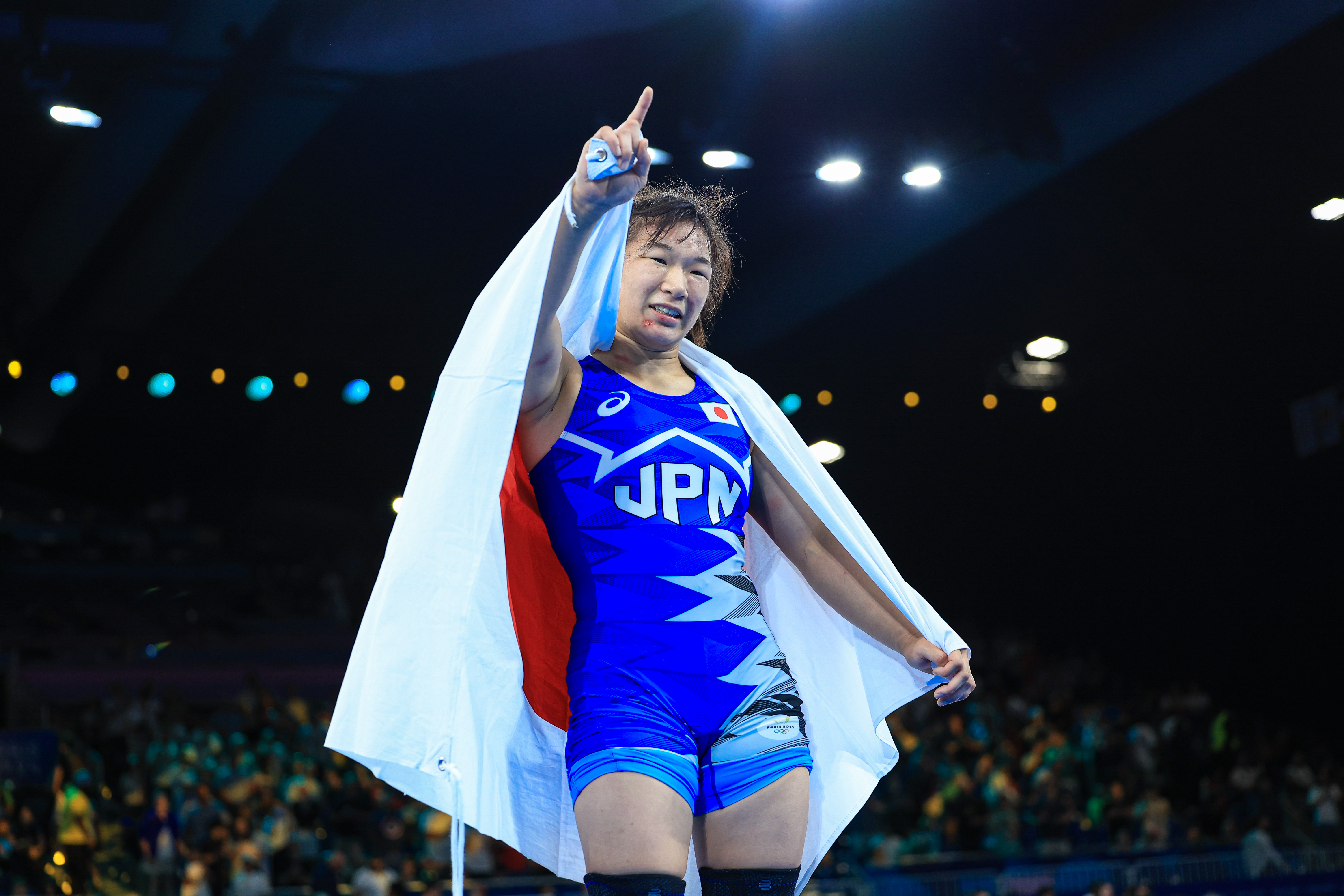 Sakura MOTOKI (JPN) is the only Olympic champion entered for Zagreb. (Photo: United World Wrestling / Amirreza Aliasgari)
Motoki has been to the World Championships twice before but came up short both times, winning bronze in 2022 at 59kg and silver in 2023 at 62kg.
She will be leading a strong Japanese team that has five senior world champions and four with multiple age-group titles to their names. Japan won six out of 10 gold medals in Women's Wrestling in 2023 and captured three out of four at the Non-Olympic Weights World Championships in 2024.
While Motoki enters as the favorite at 62kg, expectations are high across the lineup. The roster of returning world champions includes Remina YOSHIMOTO (JPN) at 50kg, Haruna OKUNO (JPN) at 53kg, Miwa MORIKAWA (JPN) at 65kg, Ami ISHII (JPN) at 68kg, and Masako FURIUCHI (JPN) at 72kg.
Others completing the line up are Sowaka UCHIDA (JPN) at 55kg, Himeka TAKUHARA (JPN) at 57kg, Sakura ONISHI (JPN) at 59kg and Nodoka YAMAMOTO (JPN) at 76kg.
But at the World Championships, Japan will be tested. Ukraine, the United States, and China are bringing tough names to Zagreb and the return of the Democratic People's Republic of Korea will also shake up the results.
Storylines that will keep the fans engaged will be: Helen MAROULIS (USA) aiming for fourth world title at 57kg, Irina RINGACI (MDA) vs Grace BULLEN (NOR) at 68kg, Kennedy BLADES (USA) in a deep 68kg weight class and Sakura ONISHI's (JPN) big test at 59kg.
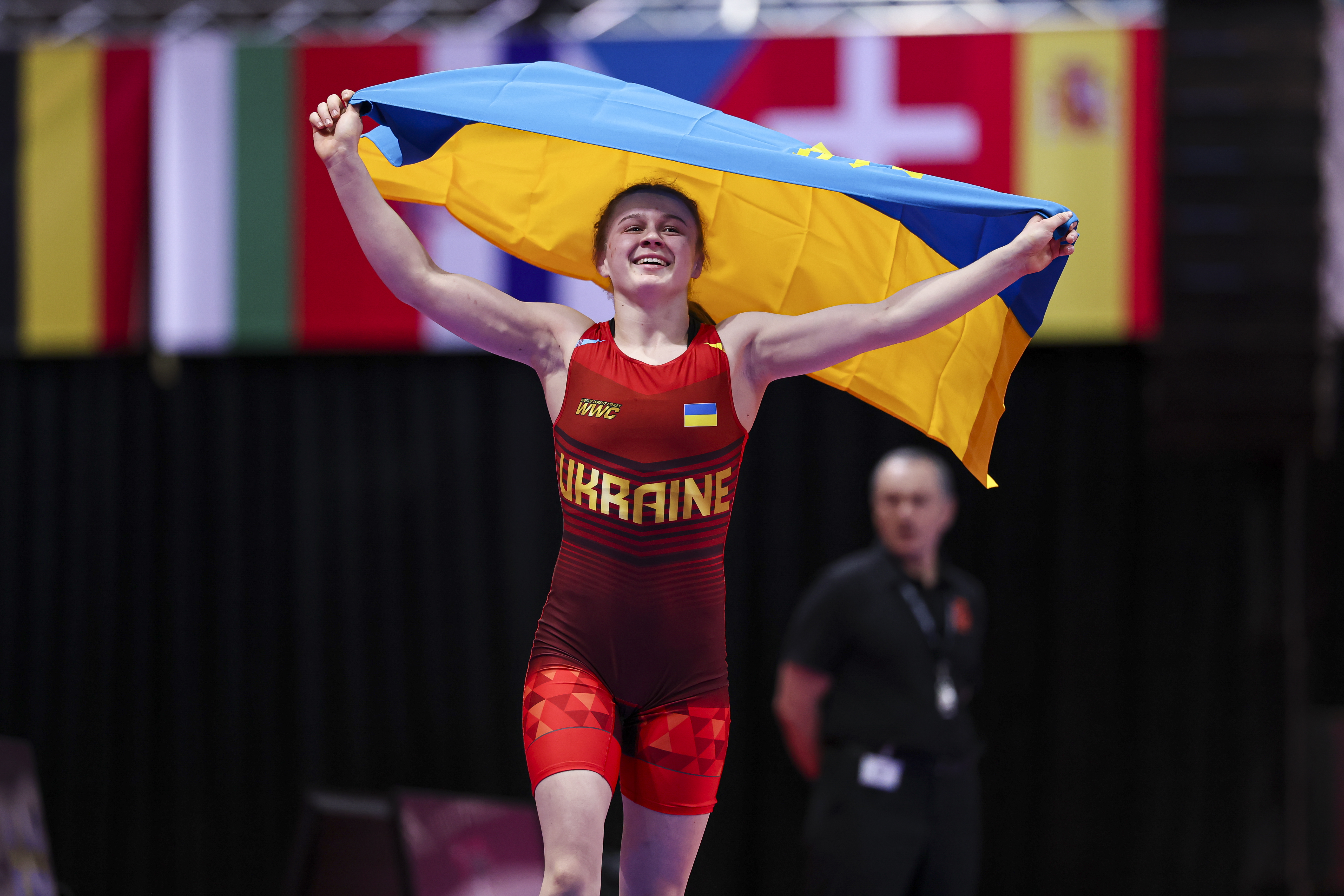 Iryna BONDAR (UKR) is the European champion at 62kg. (Photo: United World Wrestling / Kadir Caliskan)
Challenge for Motoki
For Motoki, the road to gold in Zagreb may go through Iryna BONDAR (UKR), one of the rising stars in international wrestling. Bondar has already made her mark at the age-group level, winning both U20 and U23 world titles, and currently holds European Championships titles at both the senior and U23 levels.
After claiming the senior European title in April, Bondar made it clear that she's aiming for the top.
"Senior level is a whole different level of wrestling -- senior wrestling is tough and intense," she said. "Are there tougher opponents? Yes, absolutely. The toughest competitors are from Japan -- they are the strongest in the world."
Still adjusting to the pace of senior-level competition, Bondar tends to start slow in matches but has an effective arsenal of attacks once she settles in. But whether she’s ready for someone as polished and tactical as Motoki remains to be seen.
Also entered at 62kg are Asian champion MANISHA (IND), silver medalist Ok Ju KIM (PRK), and former world champion Bilyana DUDOVA (BUL), but Motoki remains the clear favorite to top the podium.
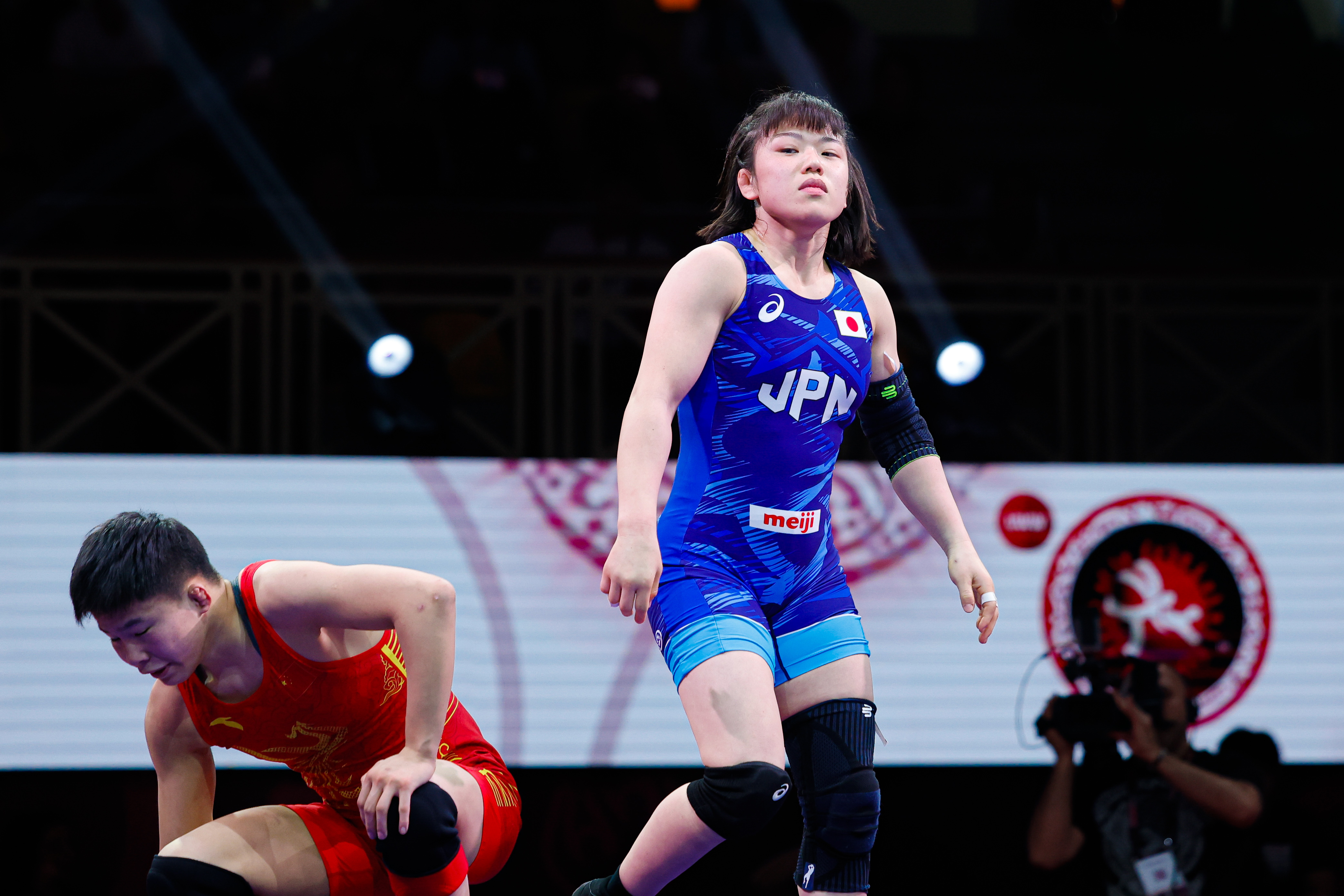 Remina YOSHIMOTO (JPN), a 2021 world champion, is unbeaten internationally. (Photo: United World Wrestling / Kostadin Andonov)
At 50kg, Remina YOSHIMOTO (JPN) will aim to win her second world title, four years after claiming her first in 2021. She has not competed at the World Championships since, with Yui SUSAKI (JPN) occupying the spot during that time. However, Susaki did not enter the qualification process this year.
Yoshimoto has proven herself at the Asian level and remains unbeaten internationally since a loss to Chun Lei (CHN) at the Tokyo Test Event in 2019. Her main challenge could come from European champion Oksana LIVACH (UKR), who won a world bronze in 2018 but hasn’t returned to the podium since. Zagreb presents an opportunity and she will be keen on finishing with a medal.
The Japanese defeated Yu ZHANG (CHN) and Myonggyong WON (PRK) en route to her 2025 Asian title, and they are not expected to trouble her in Zagreb. European silver medalist Evin DEMIRHAN (TUR) and U20 world silver medalist Audrey JIMENEZ (USA) will aim to finish on the podium as well.
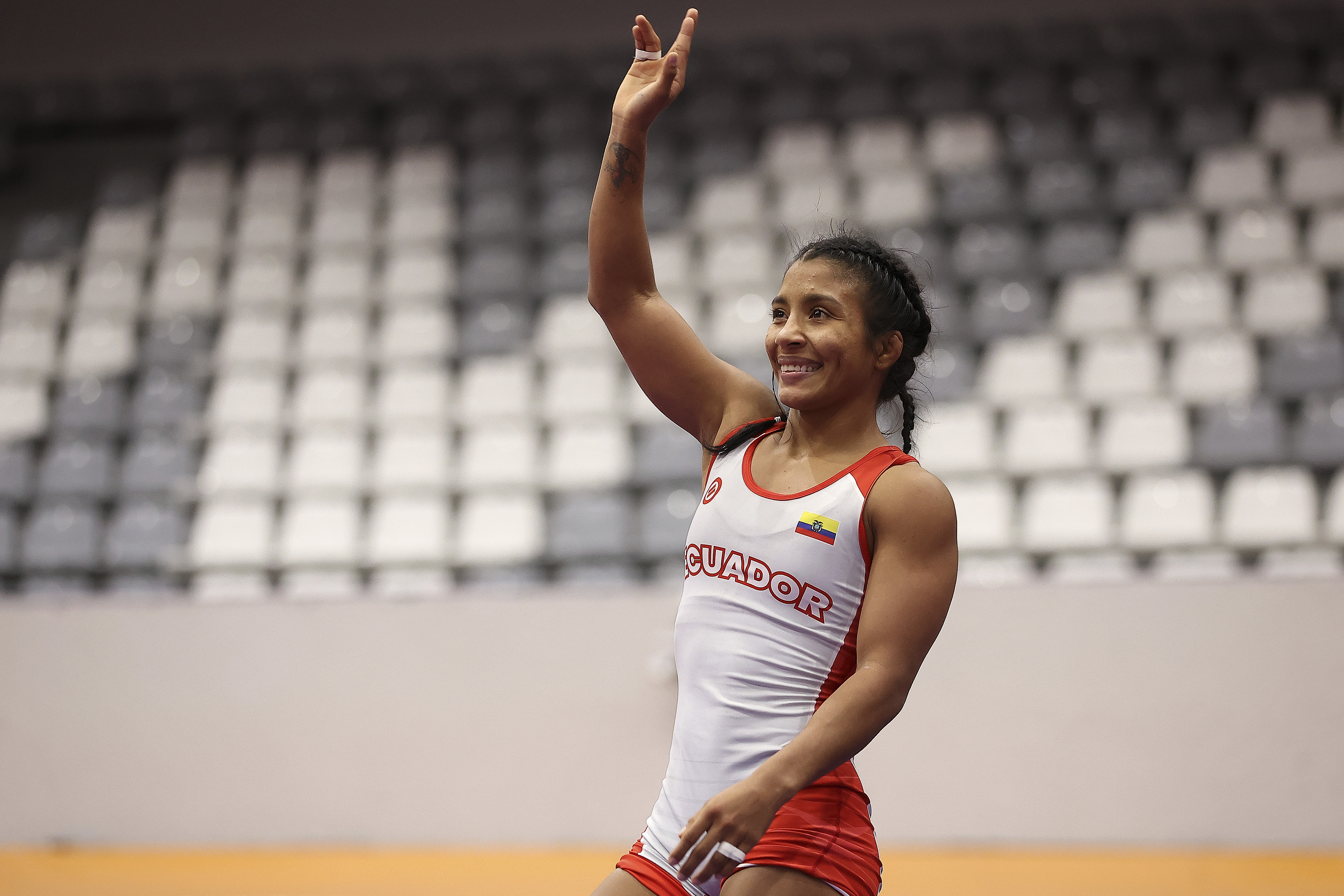 Lucia YEPEZ (ECU) won the Pan-Am gold in May. (Photo: United World Wrestling / Osvaldo Aguilar)
Unpredictability of 53kg
Chasing her fourth world title at 53kg is Haruna MURAYAMA (JPN), who made the Japan team after defeating another world champion, Moe KIYOOKA (JPN). Murayama won her first world gold in 2017 and added a second in 2018. But she had to wait five years to win her third in 2023, largely due to Mayu SHIDOCHI (JPN) dominating the weight before the Tokyo Olympics and Akari FUJINAMI (JPN) holding the spot until Paris.
Now, Murayama has a shot at another title. The weight class, however, is deep with talent. Olympic silver medalist Lucia YEPEZ (ECU) returns for the first time since the Paris Games and could become Ecuador’s first world champion. Her explosive style has troubled even the best, including Fujinami.



 df. Aline FOCKEN (GER) by 3-0 A.jpg) Sara DOSHO (JPN) df. Aline FOCKEN (GER) by 3-0 to win the gold medal at the 2017 World Championship. Photo by Martin Gabor.
Sara DOSHO (JPN) df. Aline FOCKEN (GER) by 3-0 to win the gold medal at the 2017 World Championship. Photo by Martin Gabor.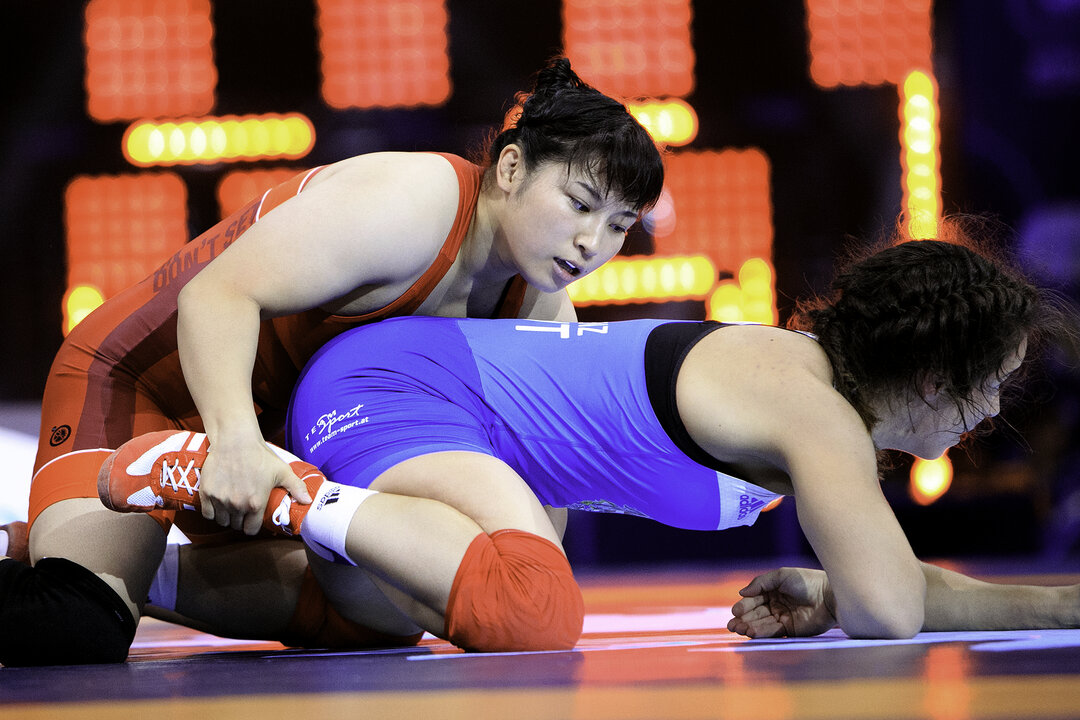 df. Martina KUENZ (AUT) by 6-0 (1).jpg)
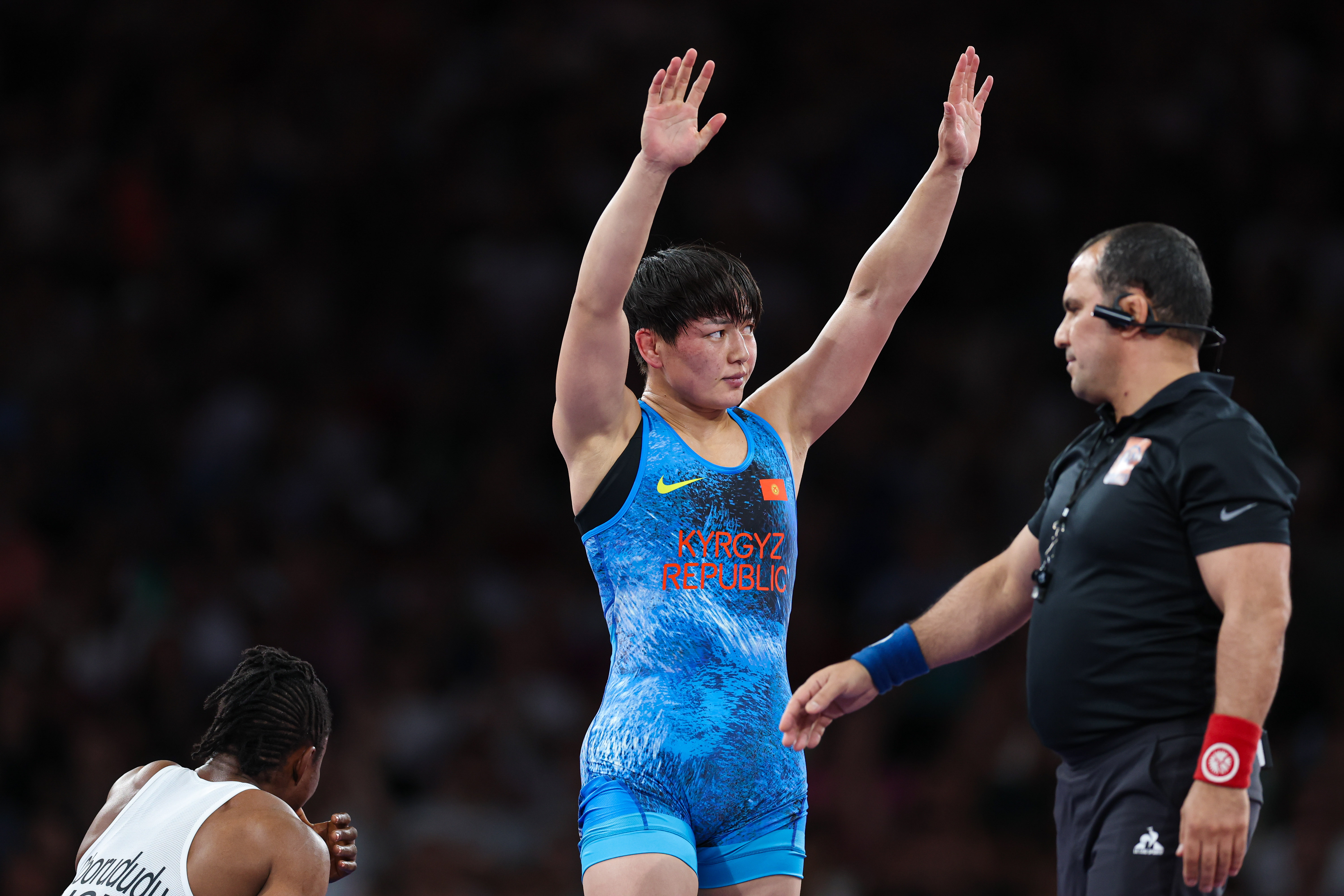 Meerim ZHUMANAZAROVA (KGZ) won the silver medal at the 2024 Paris Olympics. (Photo: United World Wrestling / Kostadin Andonov)
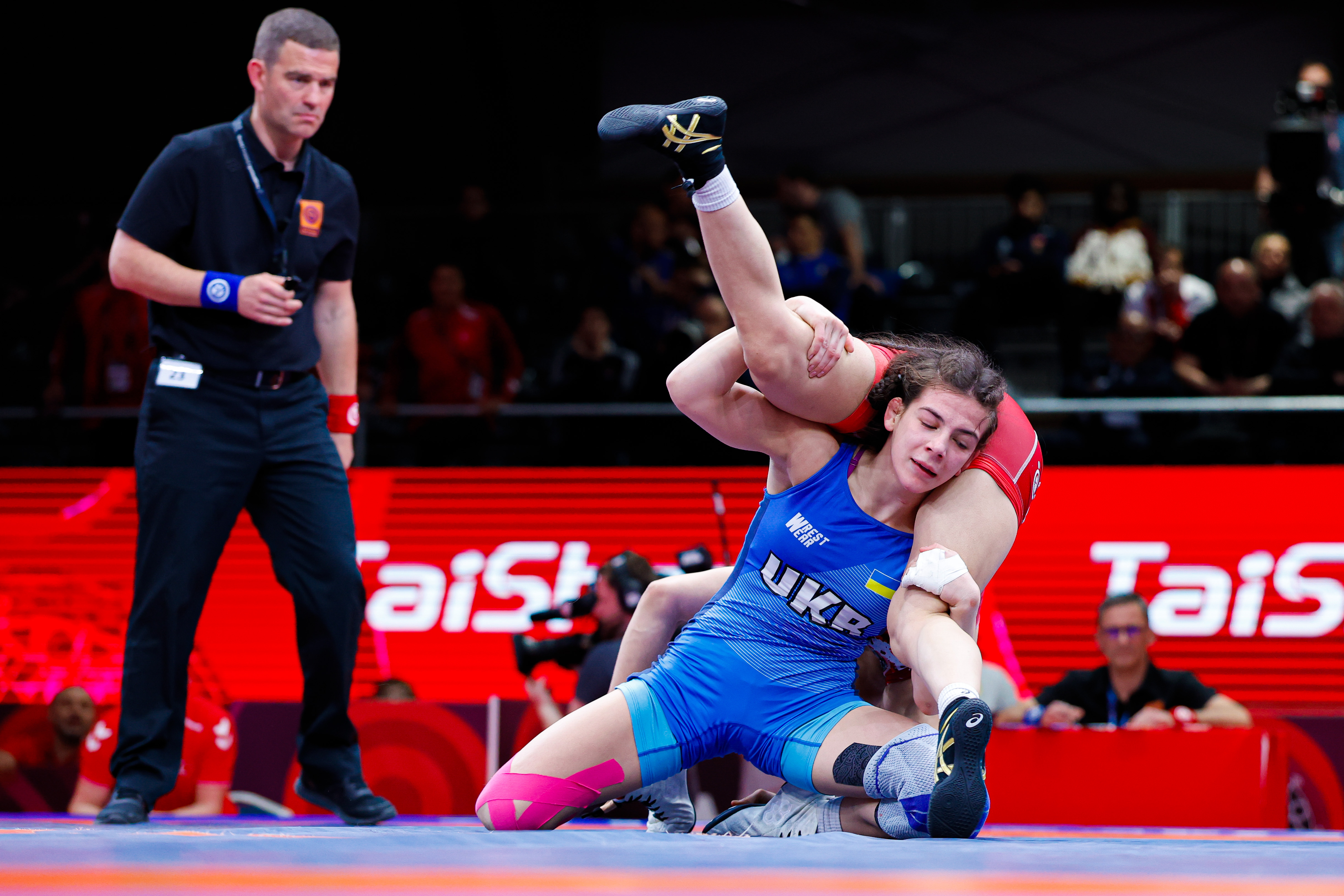 Oleksandra KHOMENETS (UKR) is looking to rediscover her magic on the mat. (Photo: United World Wrestling / Kostadin Andonov)
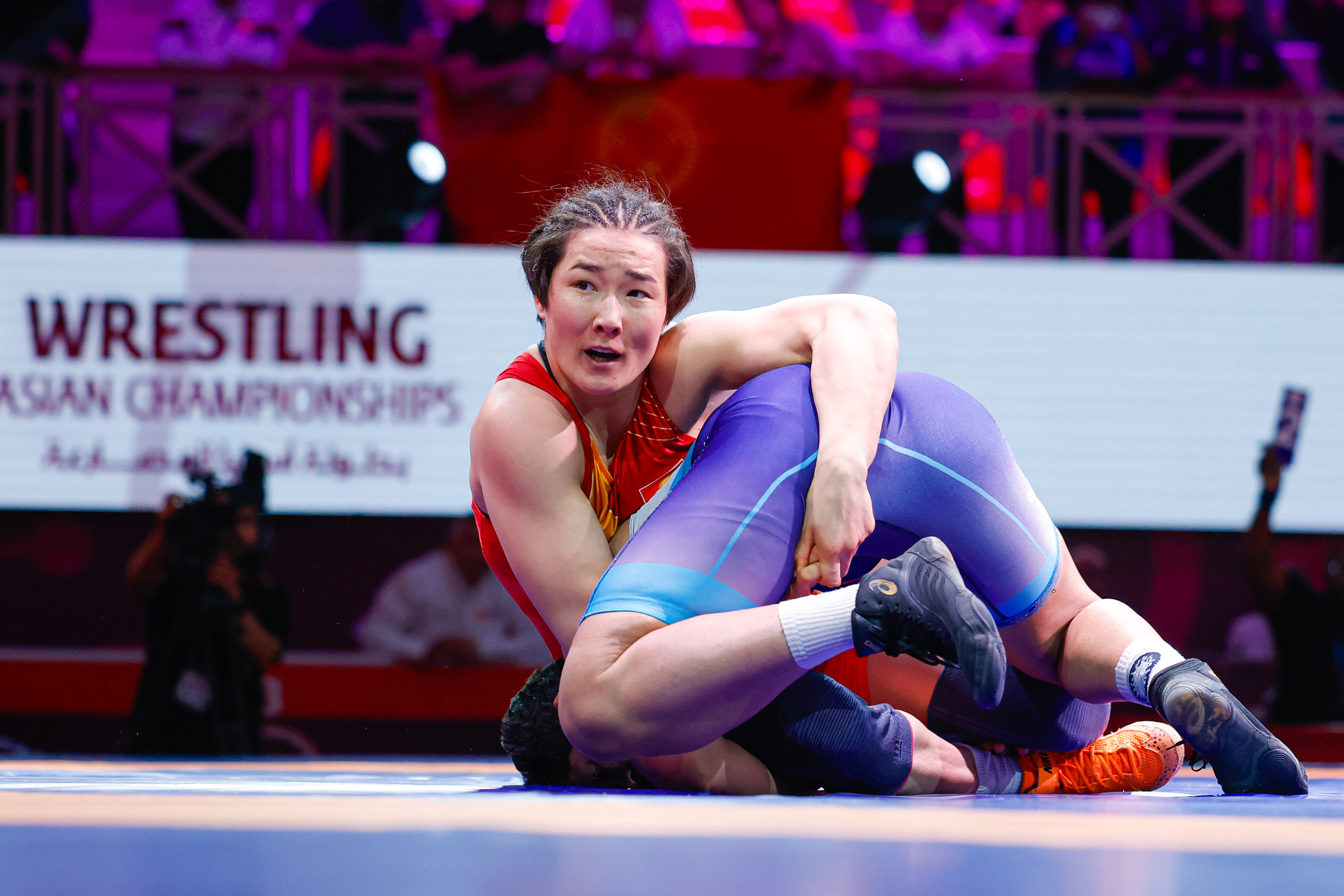 Aiperi MEDET KYZY (KGZ) is looking for her first world title. (Photo: United World Wrestling / Kostadin Andonov)
Share your thoughts.
Comments