ATHENS, Greece (July 23) -- Eight years after it last hosted the World U17 Championships, Greece gears up for another.
The 2025 World U17 Championships will be held in Athens from July 28 to August 3 at the Ano Liosia Olympic Hall, the historic venue where wrestling competition during the 2004 Olympics was held.
DOWNLOAD THE FULL PREVIEW HERE
While the wrestlers will be making new memories, one former wrestler will be reliving old memories. Four-time Olympic champion Kaori ICHO (JPN) will be revisiting Athens, this time as Japan’s team coach, 21 years after she won her first gold medal at the Games in 2004.
Japan is expected to reclaim the Women's Wrestling team title it lost to India in 2024. The United States, Ukraine and China are also sending strong teams.
In Freestyle, the U.S. will battle it out with Iran, the top two countries last year. Meanwhile, in Greco-Roman, Iran will face challenges from Asian counterparts and Azerbaijan.
The competition will begin with Greco-Roman on July 28 with five weight classes and will follow a two-day format. Women's Wrestling will begin July 30 and Freestyle on August 1. The repechage and medal bouts of each weight category will be held the next day.
The action from the World U17 Championships will be live on UWW+ on uww.org and the UWW App. Follow United World Wrestling on Facebook, Instagram, X, TikTok, YouTube.
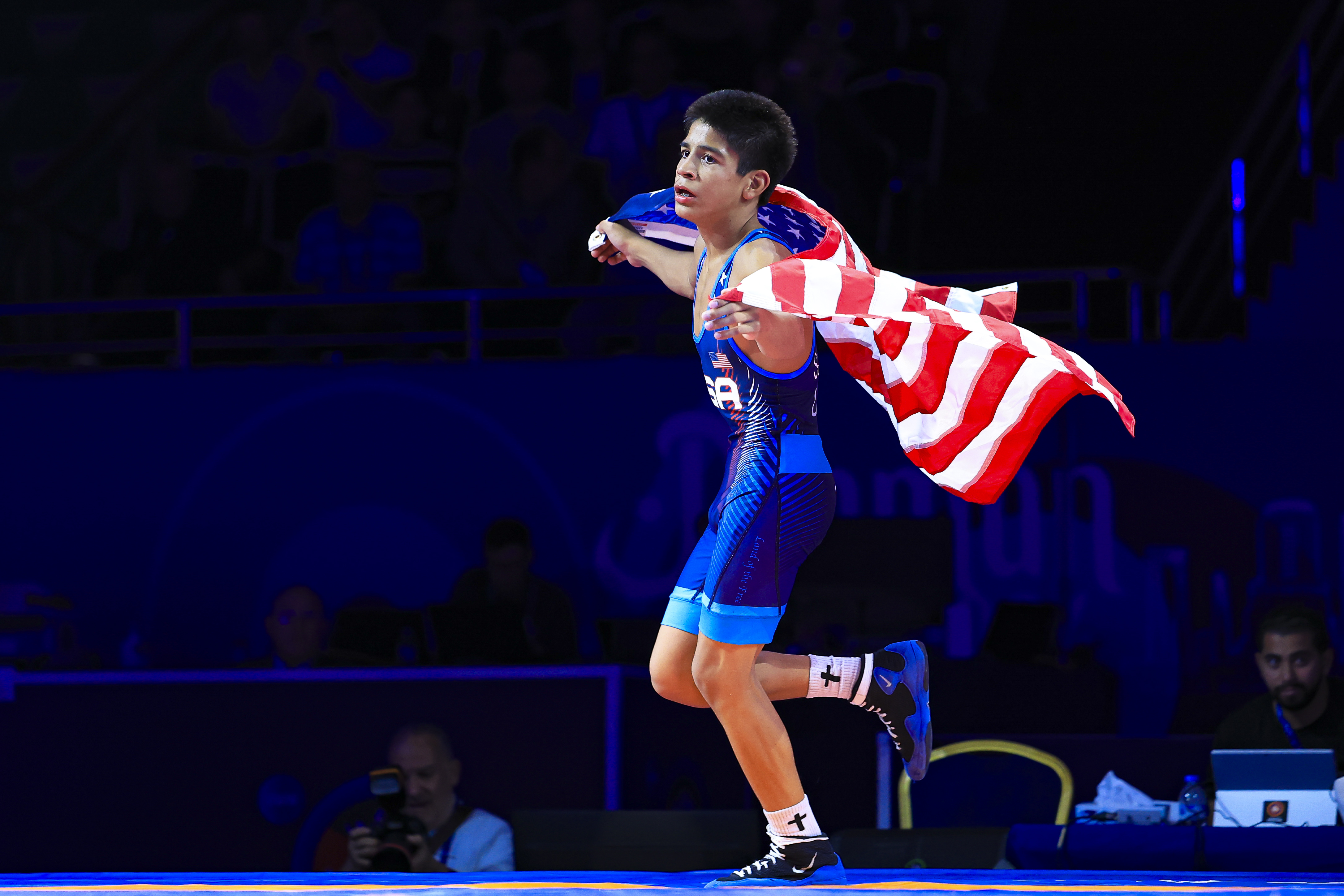 Samuel SANCHEZ (USA) is one of the returning world U17 champions in Athens. (Photo: United World Wrestling / Kadir Caliskan)
Freestyle
The defending team champion the U.S. boasts a quality line-up including world champ Samuel SANCHEZ (USA) and four Pan-Am champions from 2025 -- Ariah MILLS (USA), Alexander TAYLOR (USA), Jayden JAMES (USA) and Arseni KIKINIOU (USA).
Iran, which missed the Asian U17 Championships, has wrestlers who have previous success at Asian level and in ISF Gymnasiade. It won only two gold medals last year, but it hopes Morteza HAJ (IRI), Amirali ALIZADEH (IRI), Arian MEHRALIZADEH (IRI) and Amirhossein NAGHDALIPOUR (IRI) will help it better that number this year.
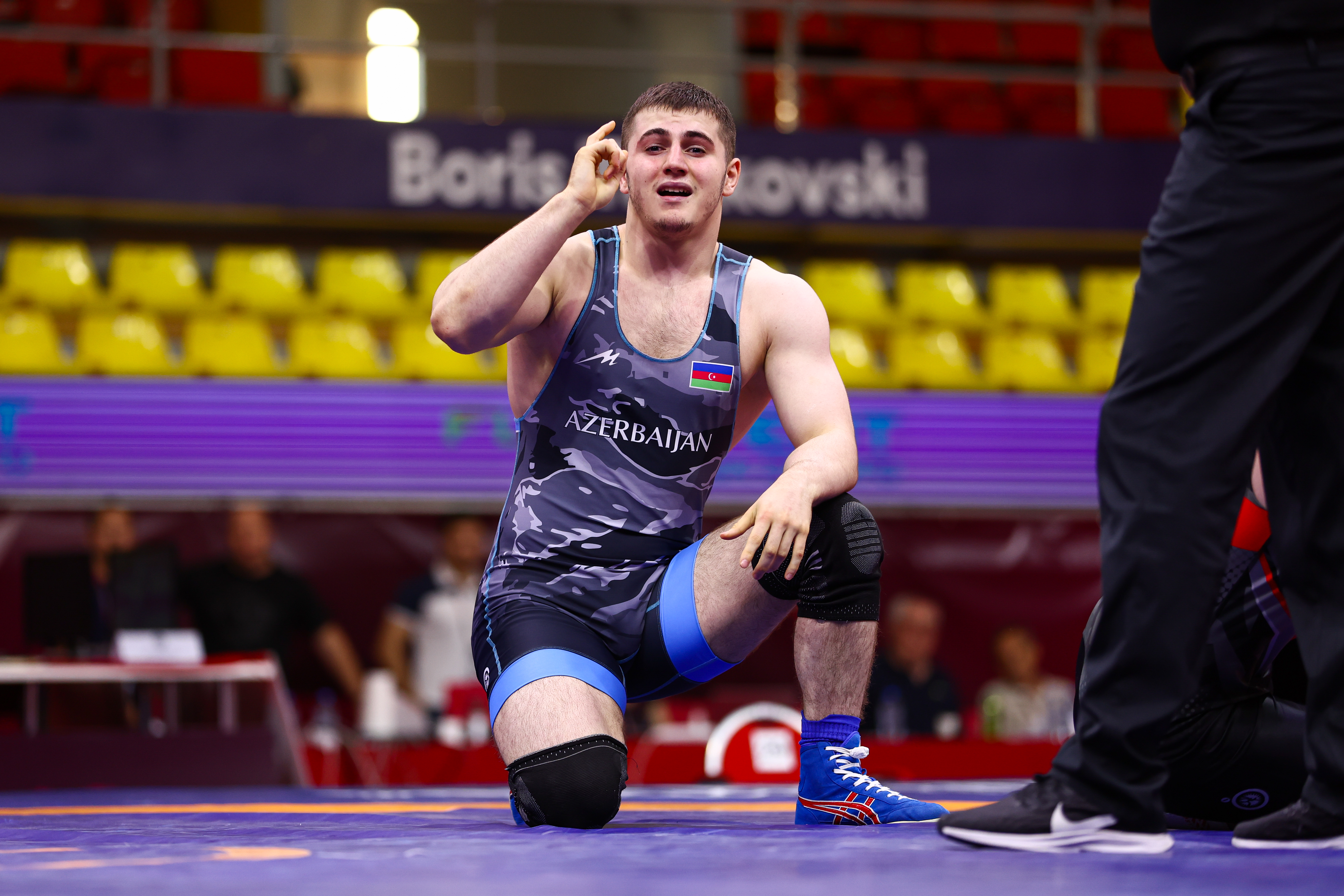 Said PASHAYEV (AZE) is the European champion at 92kg. (Photo: United World Wrestling / Jake Kirkman)
Six out of the 10 European champions from 2025 are set to be in Athens with Azerbaijan entering three. Ravan HASANZADE (AZE) at 48kg, Ruslan ALIZADA (AZE) at 55kg and Said PASHAYEV (AZE) at 92kg will be the biggest hopes for Azerbaijan to win gold, a medal the country was denied last year.
The other European champs are Zorab ALOIEV (UKR) at 61kg, Artur KOSTIUK (UKR) at 80kg and Magomedrasul OMAROV (UWW) at 110kg.
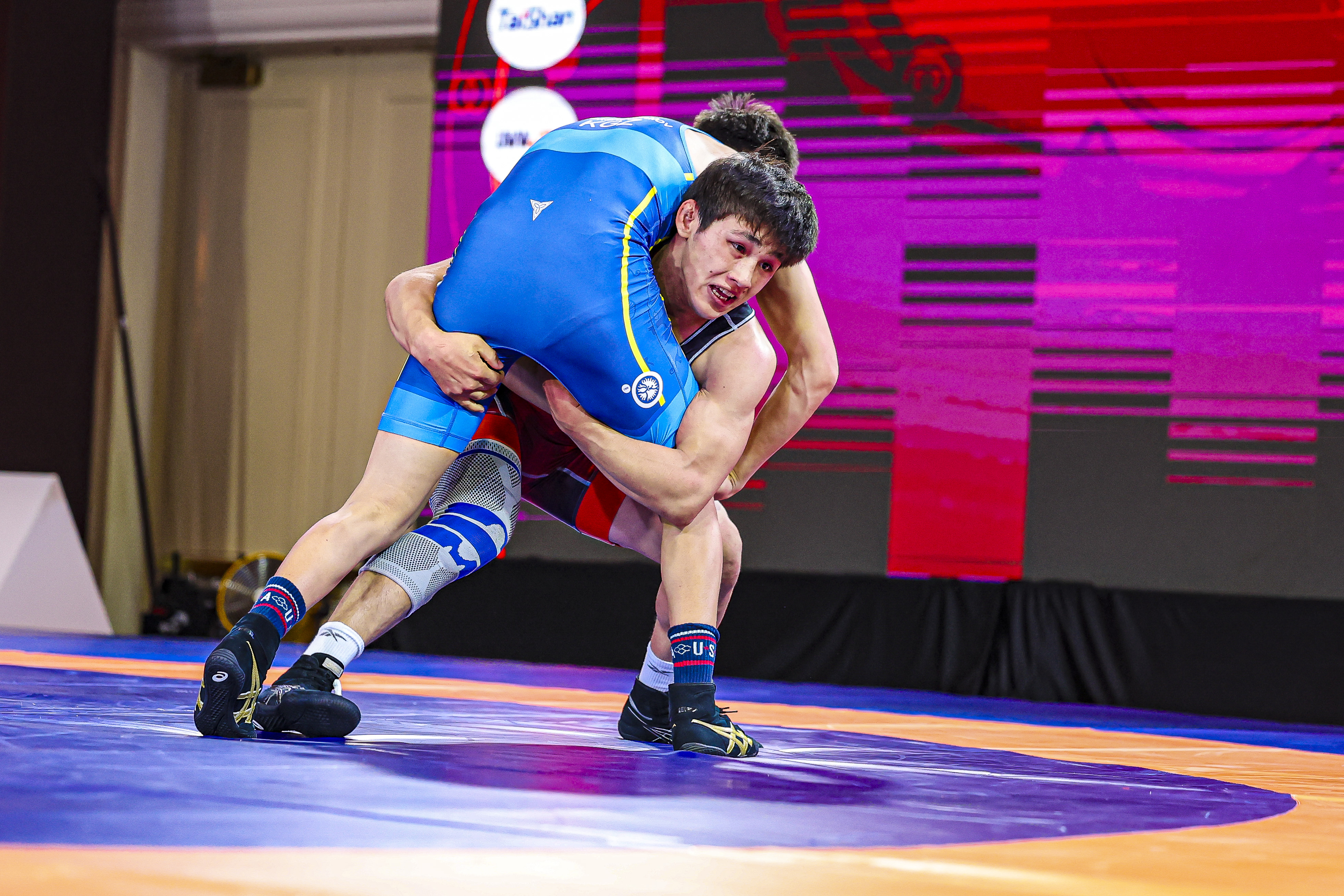 Bekassyl ASSAMBEK (KAZ) won the 60kg gold at the Asian U17 Championships. (Photo: United World Wrestling / Kadir Caliskan)
Kazakhstan, Kyrgyzstan and Uzbekistan had a successful Asian U17 Championships in Vietnam after the no-show of Iran and Japan's subdued performance.
Kazakhstan won two gold medals in Vietnam and both wrestlers, Ibrahim YSKAKBEK (KAZ) at 55kg and Bekassyl ASSAMBEK (KAZ) at 60kg, will be in Athens and try to win a world gold, a medal the country has not won since 2022.
Kyrgyzstan also had two gold medalists, Arnur NURSAIDOV (KGZ) at 45kg and Dovudbek BAKHADIROV (KGZ) at 48kg, at Asian Championships. The onus will be on these to lead the team as it looks for a second straight top-three finish. Last year, it placed third, the highest for the country at the world level.
Uzbekistan won only one gold in Vietnam but every wrestler competed for a medal, helping it finish third. Japan and India, fourth and fifth in Vietnam, are likely to be the dark horses in Greece.
A few others who can surprise the field including returning silver medalist Frederick BACHMANN (PUR) at 60kg, returning champ Ulugbek RASHIDOV (UZB) at 51kg, Abdumalik JALOLDINOV (UZB) at 55kg, returning silver medalist Huseyn ISMAYILOV (AZE) at 65kg and Hasan HASANOV (AZE) at 60kg.
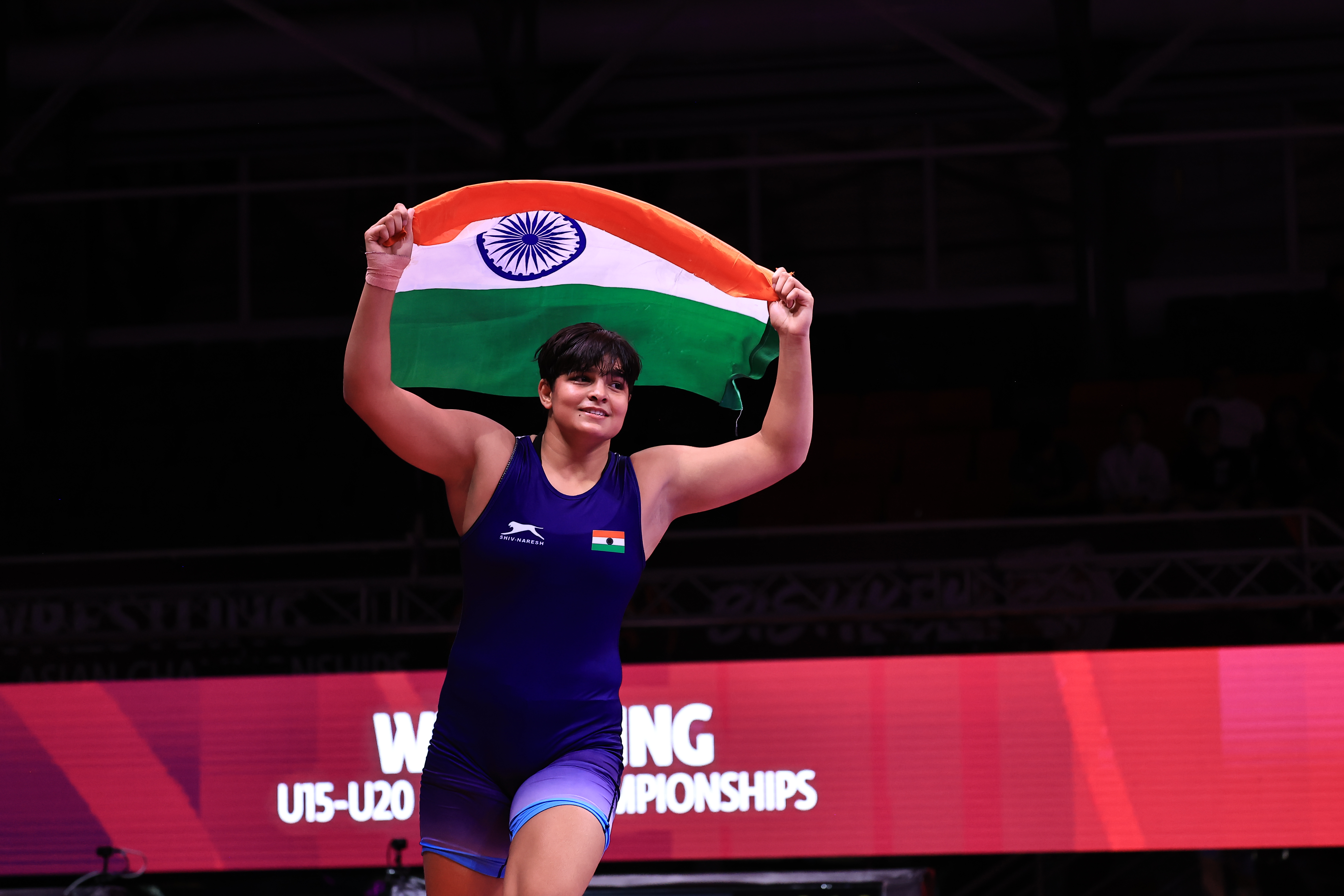 KAJAL (IND) was one of India's five world U17 champions in 2024. (Photo: United World Wrestling)
Women's Wrestling
Japan will undoubtedly be favored to win the team title but in the last few years, Japan's supremacy has been challenged by both the United States and India.
India won the team title last year for the first time with an incredible performance, winning five gold medals while Japan only won one.
Can Japan bounce back? Certainly.
Yu KATAOKA (JPN) at 49kg and Rion OGAWA (JPN) at 53kg have dominated the continental level and have been unbeaten internationally. They will lead a team that also includes An NAKANISHI (JPN), Sayuki HIBARINO (JPN) and Hanano OYA (JPN).
Japan will have to step up when it comes to heavier weight classes if it wants to capture the trophy. The presence of Icho as coach should serve as motivation for the young wrestlers, who take on the world.
India will have six current and former continental champions in Athens. KAJAL (IND), world champ at 69kg, will be at 73kg this year but will still be the favorite to win the gold medal. She was dealt a shock loss at the Asian Championships by Wenjin QIU (CHN) in the final. Qiu will also be in Athens and a potential clash with Kajal is on the cards.
Asian champ RACHANA (IND), who has silver from 2023 Worlds, will be at 43kg hoping to win gold. Kasish GURJAR (IND) was the Asian champion in 2023, MONI (IND) is the Asian champ at 57kg while Ashvini VISHNOI (IND) is a two-time continental champion at 65kg. MANISHA (IND), who won gold in Vietnam, will lead India's charge at 69kg.
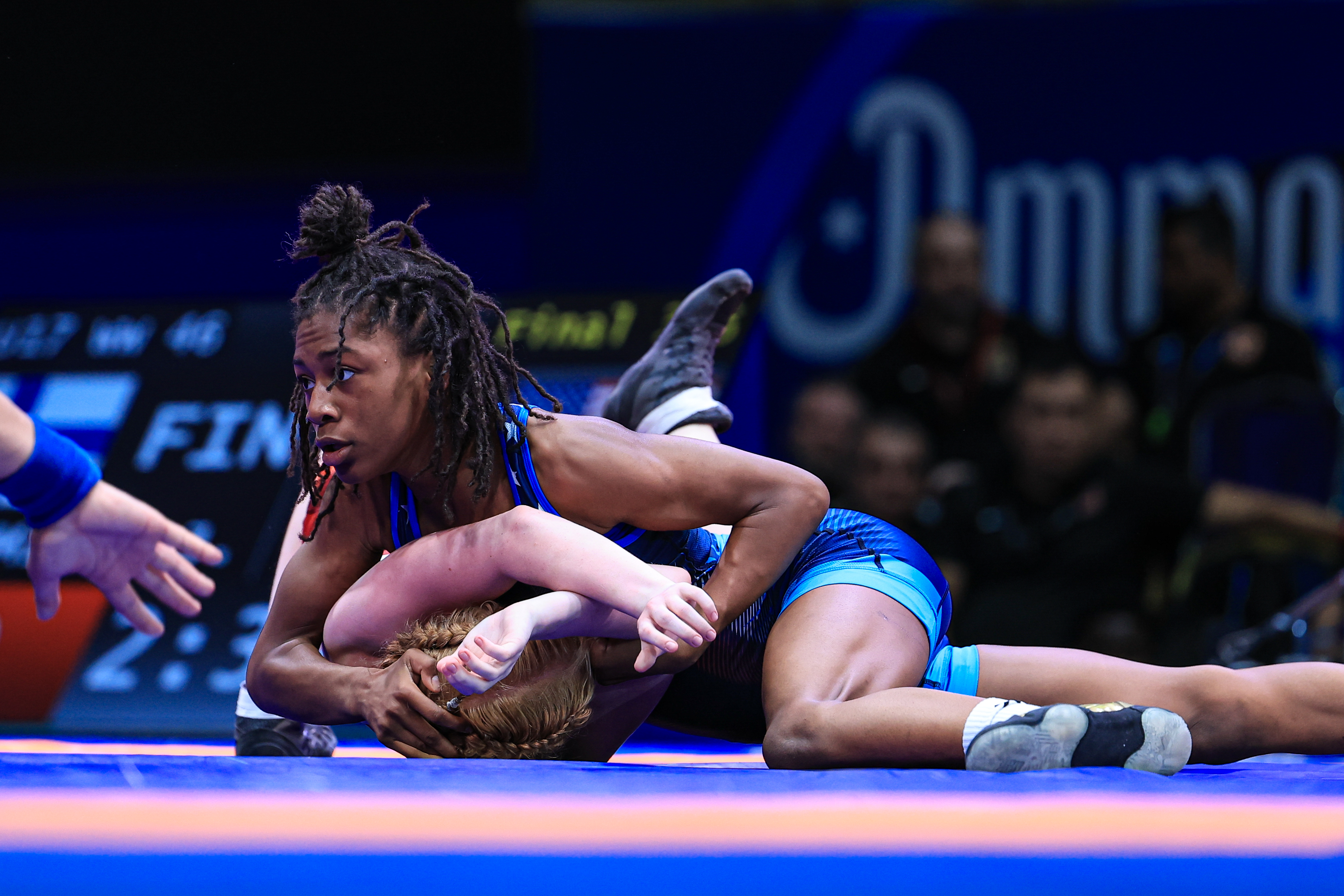 Former world u17 champion Morgan TURNER (USA) is one of the favorites to win at 49kg. (Photo: United World Wrestling / Amirreza Aliasgari)
The U.S. is bringing a host of Pan-American champions but its biggest star will be 2023 world champ Morgan TURNER (USA), who also won the bronze medal in 2024. She will be at 49kg, a weight class in which she won the Pan-Am gold this year.
At 40kg, Maisie ELLIOTT (USA) is a Pan-Am champion and so is Emma BACON (USA) at 57kg, Taina FERNANDEZ (USA) at 61kg, Violette LASURE (USA) at 65kg, Cassandra GONZALES (USA) at 69kg and Ella Jo POALILLO (USA) at 73kg.
Jaclyn BOUZAKIS (USA), who also won Pan-Am gold at 46kg, is a returning bronze medalist and will be one of the favorites for the gold medal this year.
From Europe, nine 2025 continental champions are entered for Athens. European champion at 40kg Valia HARSAN (ROU) will test herself against Asian champion Shokhista SHONAZAROVA (UZB) along with other big names in the field including European silver medalist Polina TIMSINA (EST), European bronze medalist Finja STRAUCH (GER) and Daria MASLENNIKOVA (UWW), who is three-time European U15 champion.
Raniia RAKHMANOVA (UWW) was the champion at 43kg and will be the favorite for the gold medal as well.
At 46kg, Nazrin AHMADLI (AZE) is a returning bronze medalist from 40kg but will contend with Janka SILLEI (HUN) in the weight class. Sillei is unbeaten internationally and won the European gold in Skopje. Local wrestler and world silver from 43kg Maria GKIKA (GRE) will hope to win a medal for the hosts. Additionally, Gurjar, Hanano OYA (JPN), world silver from 40kg Kamila KUCHMA (UKR), Bouzakis and European silver Irina TSYDEEVA (UWW) will have their eyes on gold.
A battle between Kataoka and Turner is expected at 49kg which also has Asian silver medalist Saniya SOLTANGALI (KAZ) and returning bronze medalist and European champ Polina BOCHKAREVA (UWW).
SAARIKA (IND) won the Asian U20 Championships gold medal after a close win over Mihoko TAKEUCHI (JPN), a Klippan Lady Open champion and 2022 World U17 Championships silver medalist. But for success in Athens, Saarika will have to battle it out with European champion at 53kg Mariia ZHYTOVOZ (HUN), Japanese star Ogawa, two-time European silver Fatma YILMAZ (TUR) and Euro U15 champ Yuliia HOLHOVSKA (UKR), who is 15 years old and Elison.
Japan has unheralded Sayuki TANADA (JPN) at 57kg which also has Asian champion MONI (IND), Asian silver Madkhiya USMANOVA (KAZ), European silver Ivanna LUKIANENKO (UKR) and Bacon. This is the only weight class in which the European champion has not entered.
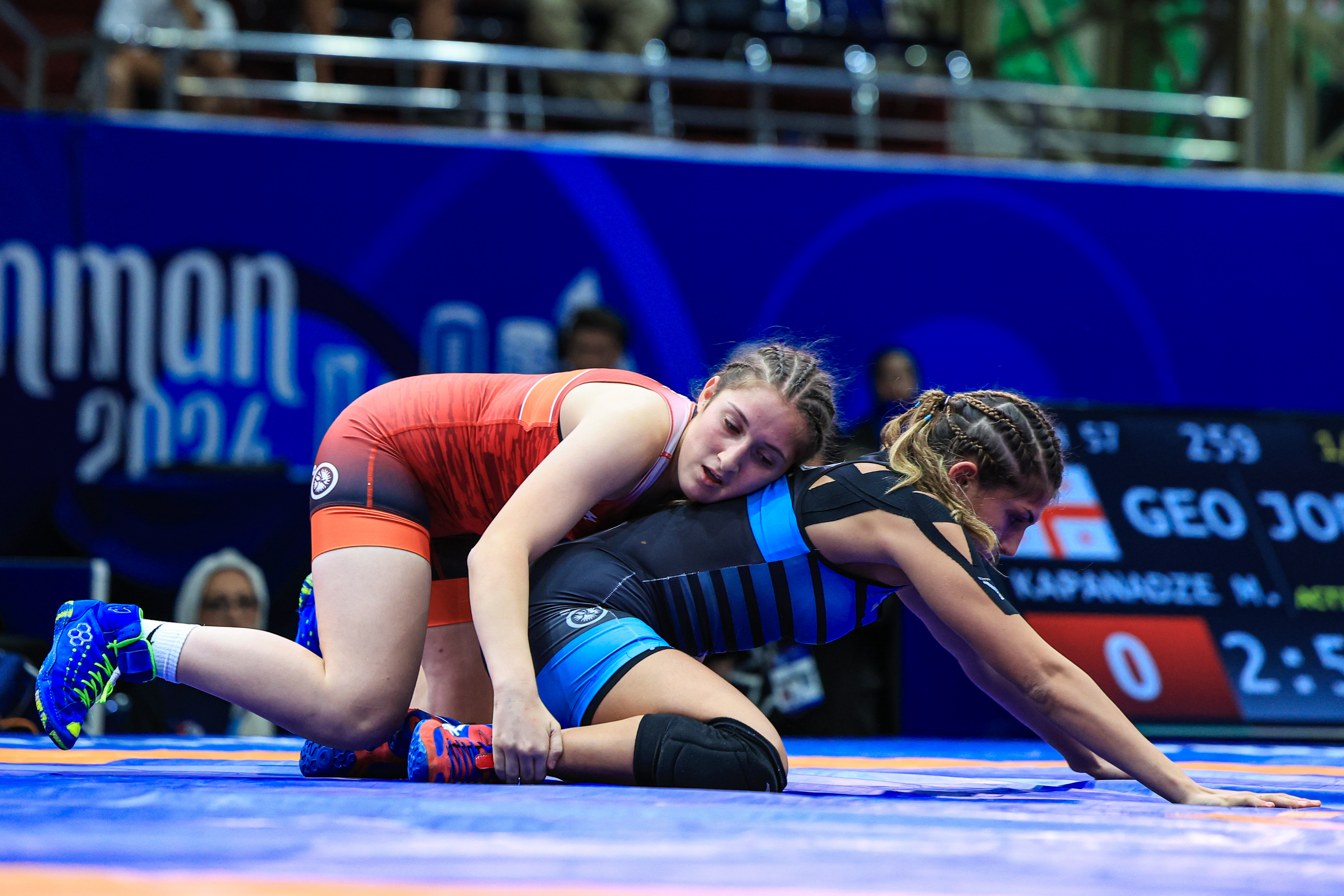 Miranda KAPANADZE (GEO) is Georgia's first-ever European champion in Women's Wrestling. (Photo: United World Wrestling / Amirreza Aliasgari)
At 61kg, history-maker for Georgia's Miranda KAPANADZE (GEO) has entered hoping to win a world medal for Georgia in Women's Wrestling. She was the first European champ for Georgia in Women's Wrestling. But she will face resistance from Asian champ Zhaidar MUKAT (KAZ), European silver Ozdenur OZMEZ (TUR) and European champ Zalina TOTROVA (UWW).
Germany's Feenja HERMANN (GER) finished seventh at 57kg last year but managed to win the European silver medal at 65kg this year. She will be hoping for a world medal as well. Ashvini VISHNOI (IND) is a two-time Asian champ at this weight class and Japan has Mitsuki OKAWA (JPN). Lasure and European champ Lilia ERMOKHINA (UWW) will also be presenting their challenges.
Another of Germany's big hope is Ayla SAHIN (GER) who won the gold medal at the Europeans at 69kg. She was 10th last year at the Worlds at 65kg. But Asian champ MANISHA (IND), Mao TERAOKA (JPN), Pan-Am silver Linda MARTINEZ (MEX), Pan-Am champ Gonzales and European silver medalist Zukhra KAZULAEVA (UWW) are also in the mix.
Apart from the Kajal-Qiu match-up at 73kg, European silver medalist Greta TVERSKYTE (LTU), European champion Eylem ENGIN (TUR), a returning medalist from 57kg, returning fifth-placer Khrystyna DEMCHUK (UKR) and Pan-Am champ Poalillo will make this category worth a watch.
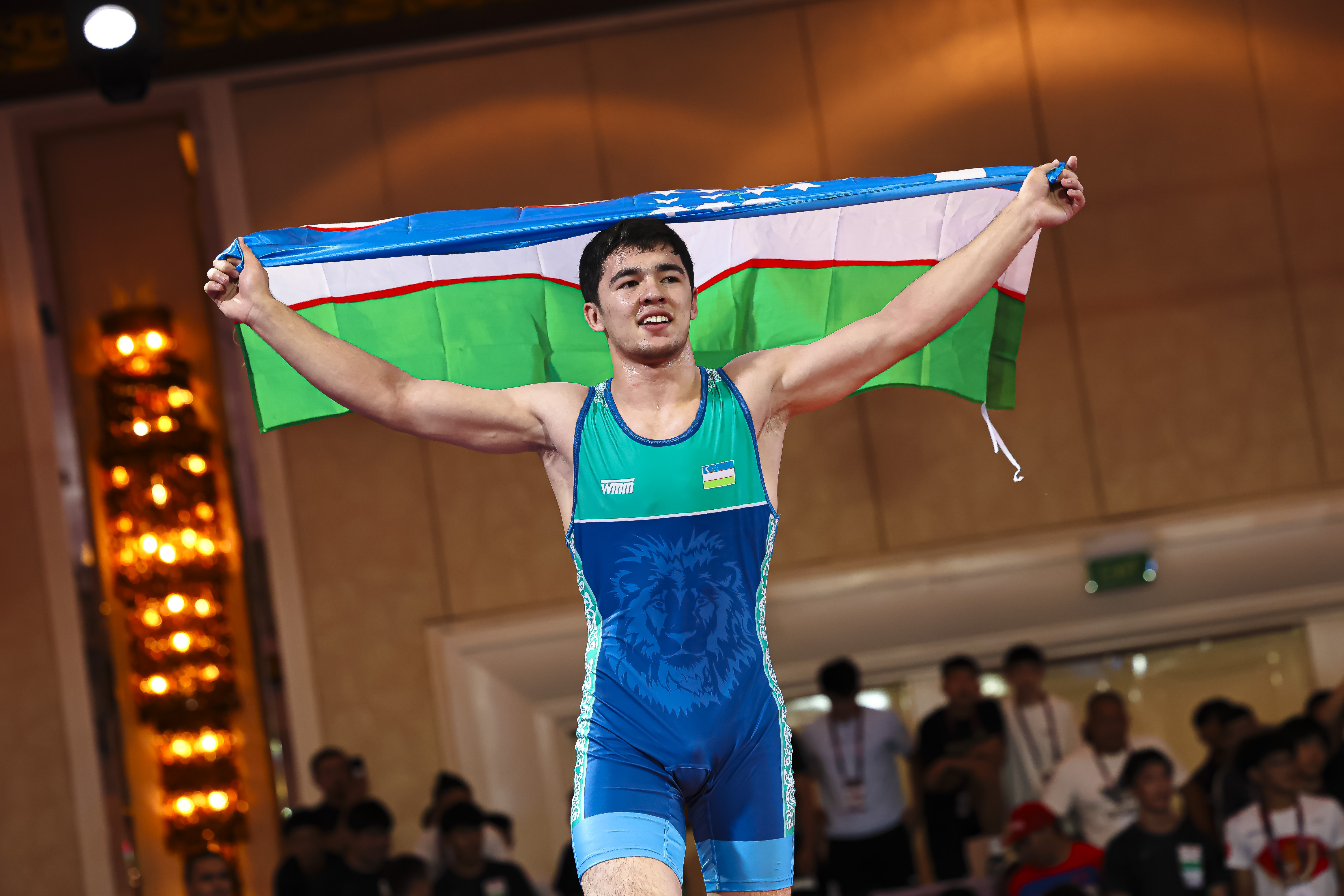 Behruzbek VALIEV (UZB) is one of the three Asian U17 champions for Uzbekistan in Athens. (Photo: United World Wrestling / Kadir Caliskan)
Greco-Roman
Last year, Uzbekistan was a standout in Greco-Roman at the U17 level, winning the Asian U17 team title and finishing second at the World Championships. It continued this success at the Asian level this year, with each wrestler winning a medal, including three golds.
Uzbekistan will once again be in the team race and threaten Iran, the defending champions.
All three of its Asian champs -- Behruzbek VALIEV (UZB) at 71kg, Abdulaziz KHOLMIRZAEV (UZB) at 80kg and Fakhrikamol KOMILJONOV (UZB) at 92kg -- will compete in Athens.
Iran will rely heavily on its heavyweights Amirsam MOHAMMADI (IRI) at 92kg and Yazdan Reza DELROUZ (IRI) at 110kg for gold medals.
Last year's 15th-placer Hossein KAZEMI (IRI) at 71kg will be a handful for his opponents and Amirreza TAHMASBPOUR (IRI) will be the favorite at 55kg. Amir HAJIVAND (IRI) at 48kg and Amirmohammad HAJI (IRI) at 51kg will compete in the gold-medal hunt as well.
Azerbaijan is another country that is bringing a strong squad to Athens. It has three European champions and three medalists from Skopje making the trip.
While the lighter and heavier weight classes have seen Asian wrestlers do well, the middle weight classes have been dominated by European wrestlers, especially at 65kg, 71kg and 80kg.
Since the weight classes were shuffled in 2018, only three Asian wrestlers have managed to win gold medals at 65kg, 71kg and 80kg. Reza SAKI (IRI) won at 71kg in 2022 and Taizo YOSHIDA (JPN) claimed gold at 80kg in 2023. In 2024, Amir SAEIDI (IRI) broke the jinx at 65kg.
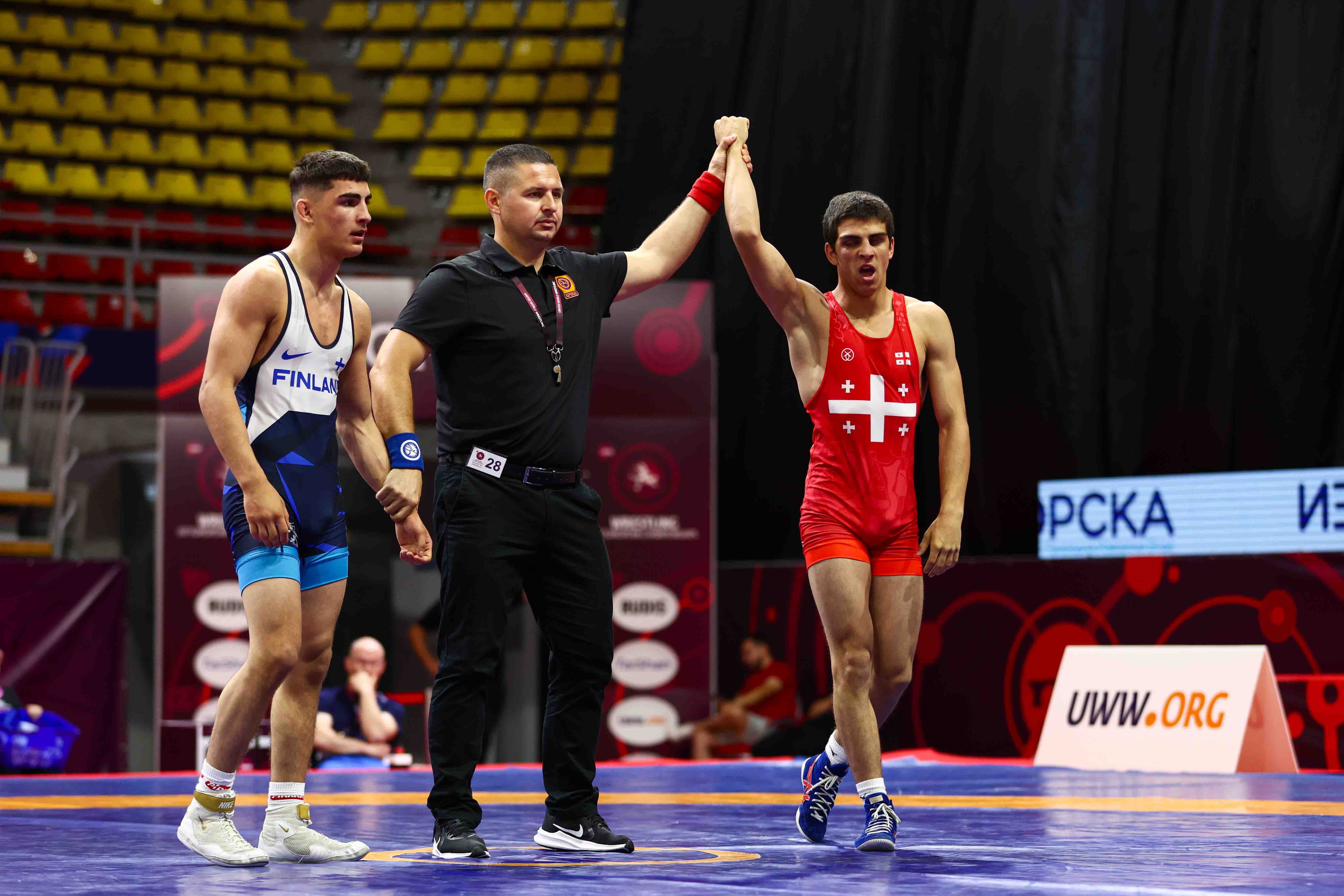 Erekle TAVBERIDZE (GEO) is the European 65kg champion. (Photo: United World Wrestling / Jake Kirkman)
In Athens, at 65kg, European champ Erekle TAVBERIDZE (GEO) will lead the charge. Other key European wrestlers include silver medalist Janes NAZARYAN (ARM), bronze medalist Kyliane EDDOUH (FRA), home favorite Iason MARGARITIDIS (GRE) and many other strong competitors from the European Championships in Skopje.
Asian champion Dosbol SHAMIL (KAZ), who finished seventh at 60kg at the last World Championships, will look to break European dominance at this weight class. So will Pan Am champ Arseni KIKINIOU (USA), who is competing in Freestyle as well.
At 71kg, it can very well end up being a European champion vs Asian champion match to decide it all. Giorgi GOGELASHVILI (GEO) will look to add a world title to his European one while Behruzbek VALIEV (UZB), the Asian champion, will have a chance to upgrade his bronze medal from last year to gold.
Despite his 14th-place finish this year at the European Championships, Yusif AHMADLI (AZE) is a strong contender for gold. He finished seventh at the World Championships last year and has a silver medal in 2023 at 65kg. European silver medalist Ignat MEICO (MDA) and bronze medalist Matias ONNENLEHTO (FIN) are also entered.
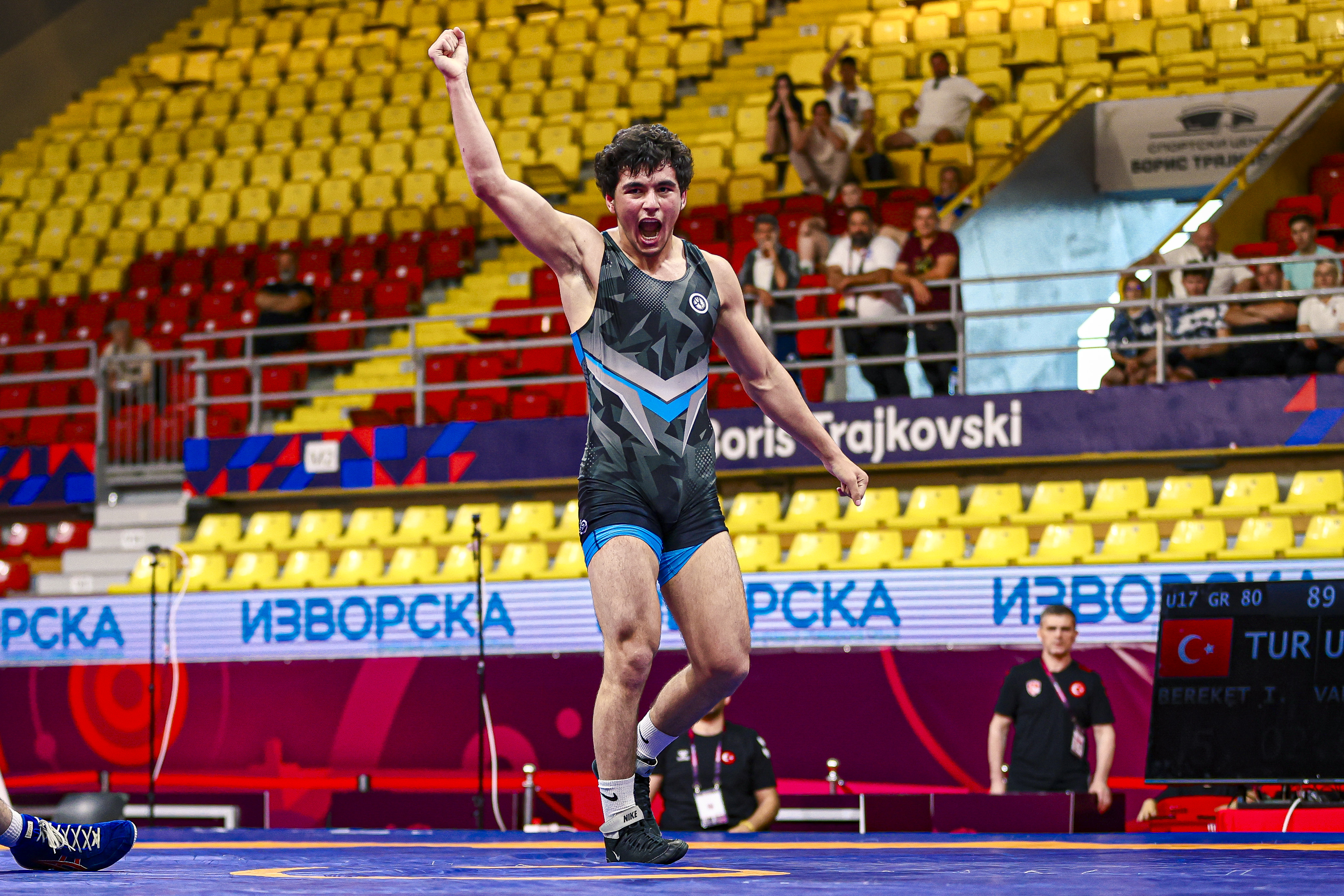 European U17 champion Senik VARDANIAN (UWW) will look to add a world title to his name. (Photo: United World Wrestling / Kadir Caliskan)
As many as 12 European wrestlers from Skopje are entered at 80kg for Athens. Senik VARDANIAN (UWW) was the champion and will be the favorite to win gold in Athens. He is joined by silver medalist Benediktas BUBELEVICIUS (LTU) and bronze medalists Nijat YEYLAGALIYEV (AZE) and Ismail BEREKET (TUR).
Abdulaziz KHOLMIRZAEV (UZB), the Asian champ, and Pan-Am champion Isai FERNANDEZ (USA) have a big task ahead of them to capture the gold medal.
An interesting entry at 92kg is Said PASHAYEV (AZE), the European Freestyle champ, who will also compete in Greco-Roman. He finished 16th in Skopje. He may not be the favorite but has a chance to trouble the likes of European champion Vadim DRAGUSHAN (UWW) and Asian champion Fakhrikamol KOMILJONOV (UZB), who also is a returning bronze medalist.
Filling the line-up are Amirsam MOHAMMADI (IRI), Asian silver medalist Adilet TOISHY (KAZ), European silver medalist Tymur LARIN (UKR) and Kanstantsin KASYAN (UWW), who will be the dark horse at this weight class. The hosts Greece will bank on European bronze medalist Ioannis MOUTOUSIDIS (GRE) to win a medal at home.
Iran has been denied the 110kg gold since 2019 but it hopes that Yazdan Reza DELROUZ (IRI) will bring it back. Although, it won't be easy. The field includes European champion Rihad IBRAHIMLI (AZE) and silver medalist Denis LAZAROV (BUL). Asian champion HARDEEP (IND) may trouble the Iranian and so can Emrullah CAPKAN (TUR), who finished fifth last year.
European silver medalist Ali NAZAROV (AZE) will be the favorite at 60kg as he dominated the European field barring the final. His biggest challenge can come from Asian champ Damir AKAN (KAZ) in an otherwise weak weight class.
At 45kg, Abdurrahman HUSEYNLI (AZE) is the European champ and he has a good chance to win the world title as well. But the lowest weight class always has a surprise in store. Saba ABASHIDZE (GEO) will look to avenge his European final's loss to Huseynli while Ararat AVETISYAN (ARM), European bronze medalist, is also entered. But can Kuanyshbek ZHANGAZHOL (KAZ), the Asian champion, spoil their party?
Another Asian champion from Kazakhstan, Nurdaulet KUMARULY (KAZ), will be challenging the 48kg field that includes European champion Stanislav IVANOV (BUL), silver medalist Martin MANJIKYAN (ARM), and bronze medalist Gurban MAJNUNOV (AZE).
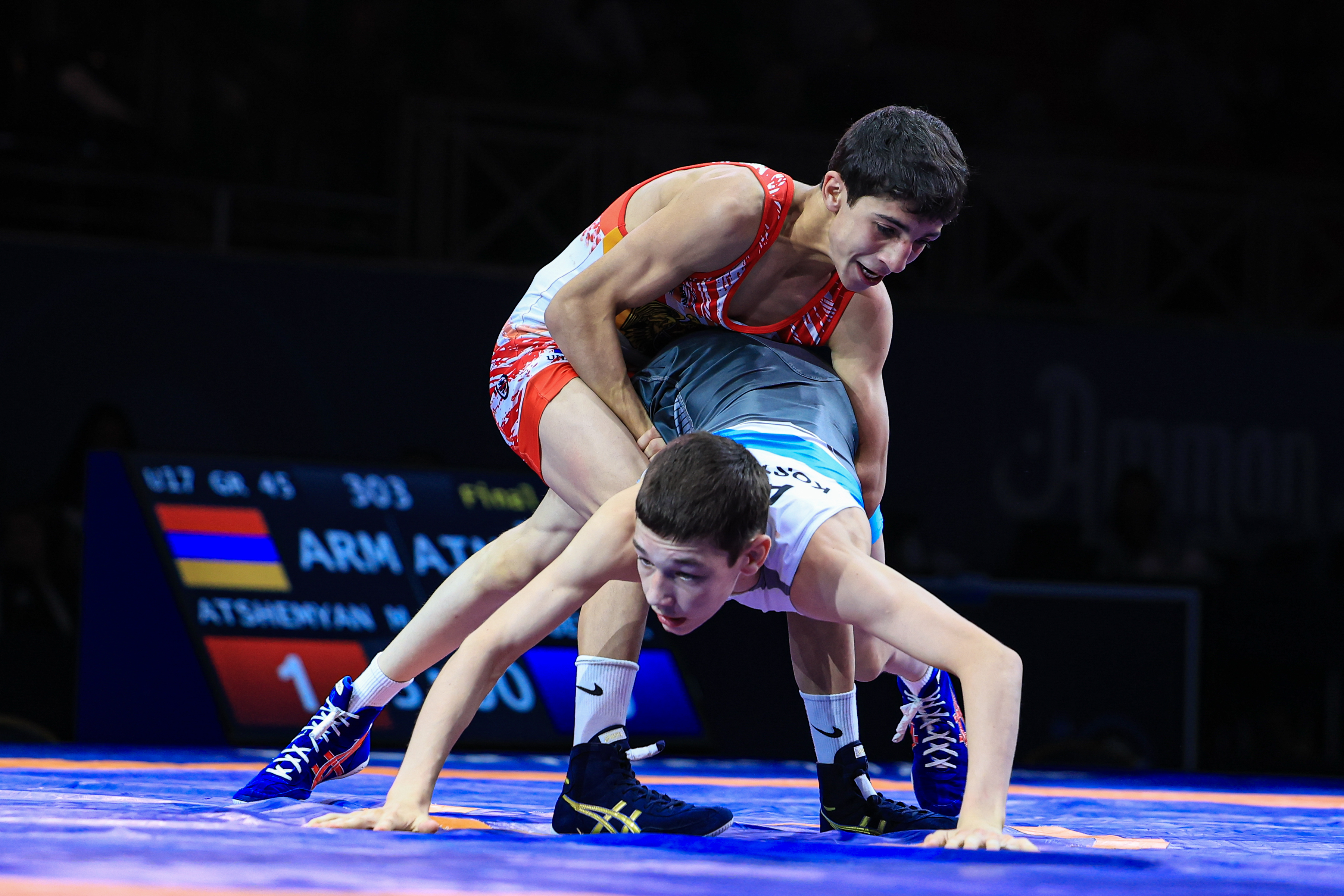 Marat ATSHEMYAN (ARM), left, and Aslanbek KOSTOEV (UWW) are likely to face each other at 51kg. (Photo: United World Wrestling / Amirreza Aliasgari)
Armenia's gold at the World Championships can come from Marat ATSHEMYAN (ARM), who won the European Championships gold medal at 51kg and a world silver medal at 45kg last year. He will also have a chance to avenge his 2024 Worlds final's loss to Aslanbek KOSTOEV (UWW), who is also entered at 51kg.
The 55kg category is again dominated with European entries including champion Danil LOZHKIN (UWW) and silver medalist Giorgi CHACHUA (GEO). Asian Championships finalists are also entered with champion Alkham ABDIRASULOV (KGZ) and silver medalist Sadriddin TULKINBOEV (UZB).



 For the first time in wrestling's history, the 2022 Commonwealth Games were officiated by majority women. The 16 female referees who participated in Birmingham post for a photo after the competition. (Photo: Helena Curtis)
Share your thoughts.
Comments