

Kazakhstan dominates Asian Grappling Championships
Friday, June 23, 2023 - 07:07 By Vinay Siwach

ASTANA, Kazakhstan (June 23) -- Host country Kazakhstan dominated the Asian Grappling Championships, securing the majority of the gold medals in the U15 and U17 age categories.
Kazakhstan is currently hosting the Asian Grappling Championships at the Beeline Arena in Astana, which commenced on April 21 and will conclude on April 24.
In the U15 category, the competition featured ten men's Grappling weight classes, with Kazakhstan claiming eight gold medals. Neighboring Kyrgyzstan secured the remaining two gold medals in the 35kg and 53kg divisions. This outstanding performance granted Kazakhstan the team title with 240 points, while Kyrgyzstan finished second with 82 points. India secured the third position with 65 points.
In the same U15 age category, but in Grappling Gi, Kazakhstan exhibited even greater dominance, winning nine gold medals, leaving Kyrgyzstan with only one. Kazakhstan's remarkable performance earned them 245 points, while Kyrgyzstan secured second place with 72 points. India claimed the third position with 60 points.
Moving on to the U17 Grappling competition, Kazakhstan achieved a clean sweep, securing all nine gold medals across all weight classes. Among the five participating countries, Kazakhstan claimed the top spot, with Kyrgyzstan in second place and India in third. The pattern remained consistent in the U17 men's Grappling Gi, with Kazakhstan once again securing all nine gold medals, and the team rankings reflecting the same order as in the Grappling category.
 Grappling was held in U15, U17 and Veteran categories on the first two days. (Photo: UWW / Assem Shalgumbayeva)
In the women's Grappling Gi competition at the U17 level, bouts were held in six weight classes, with Kazakhstan winning five gold medals. The remaining gold medal went to India.
Similarly, in the women's Grappling competition, India prevented Kazakhstan from achieving a complete sweep by securing one of the six gold medals on offer.
A Veteran's competition also took place and it saw a change in the gold medalists.
In Veteran A men's Grappling Gi category, Kyrgyzstan and Iran won gold medals in three weight classes. While two gold medals went to Kyrgyzstan, Iran won the gold medal at 84kg.
 Grappling in women's category saw participants from four countries. (Photo: UWW / Assem Shalgumbayeva)
In Veteran A men's Grappling category, Kyrgyzstan won two more gold medals while the third was won by Kazakhstan. In both Grappling and Grappling Gi, Kazakhstan managed only one gold, two silver and a bronze medal.
All the individual bout results and videos of the tournament can be found exclusively on UWW's Asian Grappling Championships page.

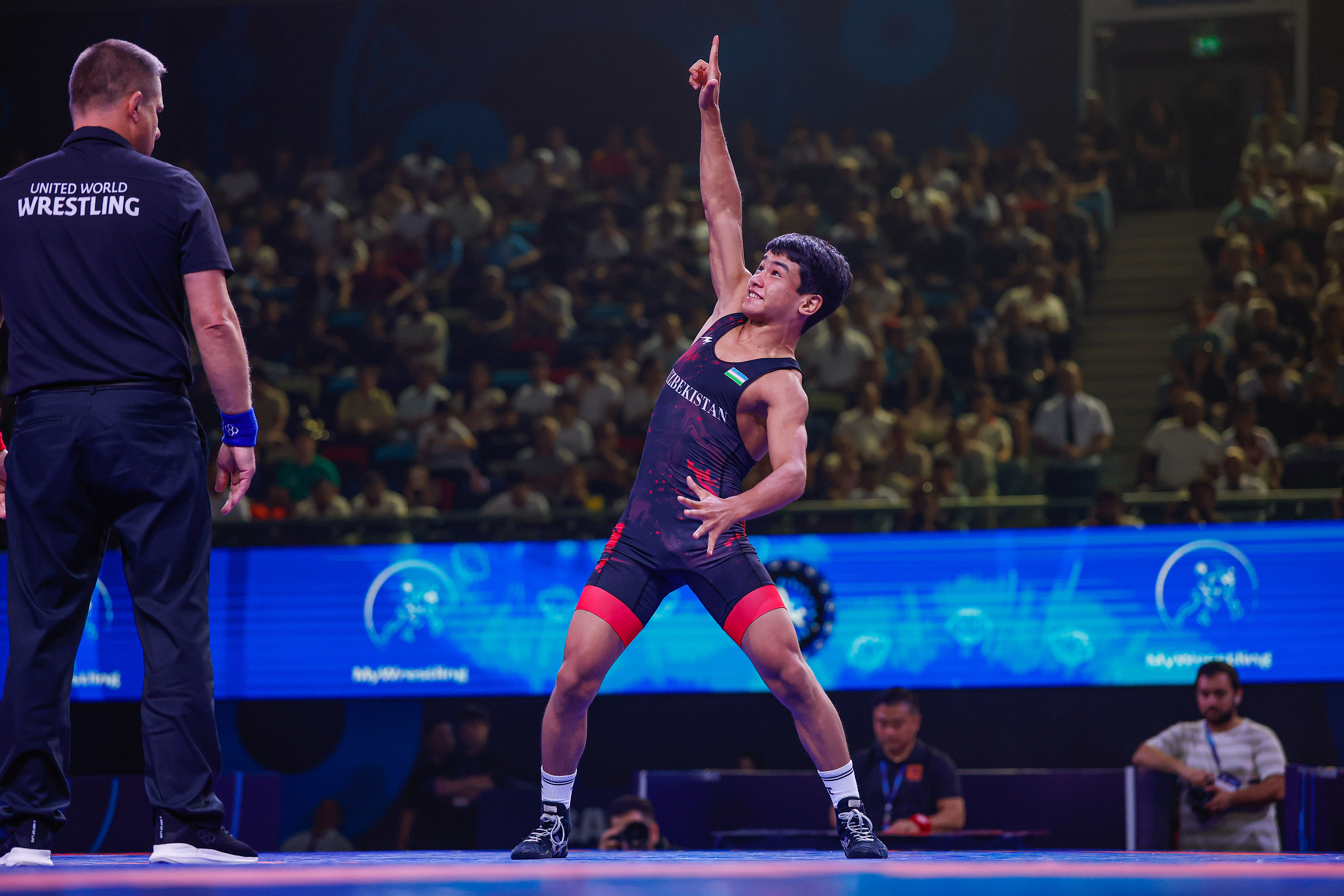
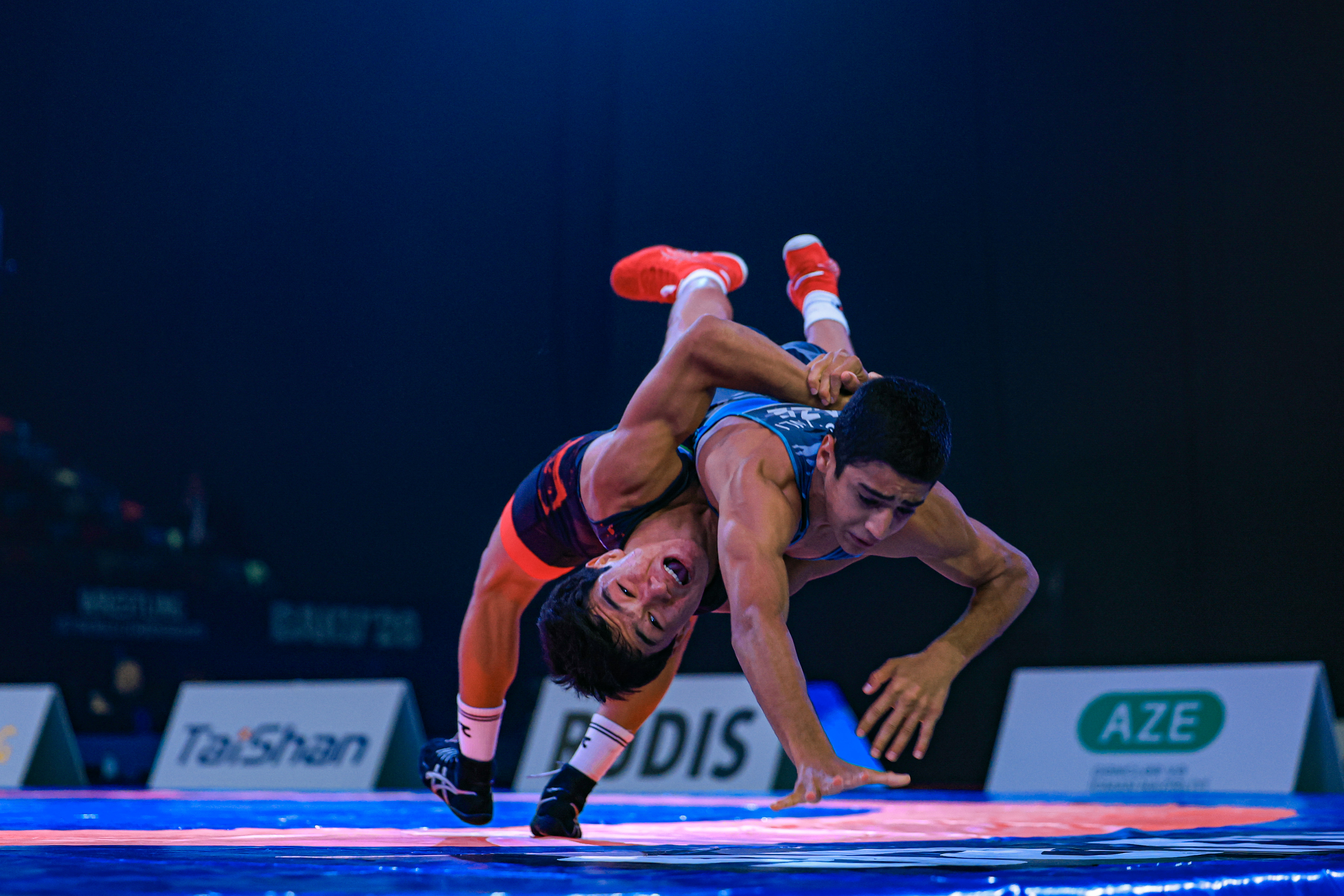
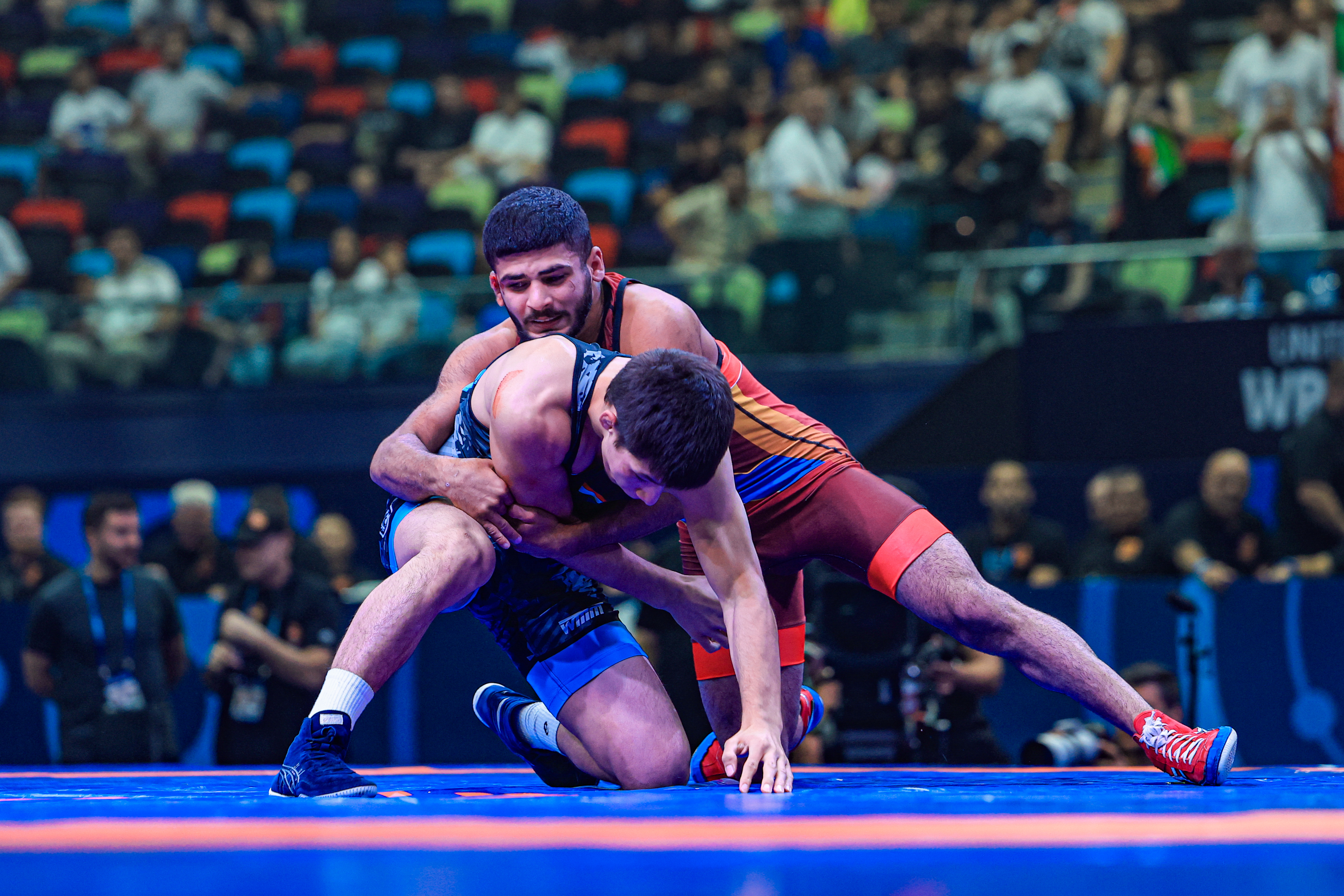 Amirreza TAHMASBPOUR (IRI) scores a takedown against Makhdi BAROTOV (TJK) during the 60kg final. (Photo: United World Wrestling / Amirreza Aliasgari)
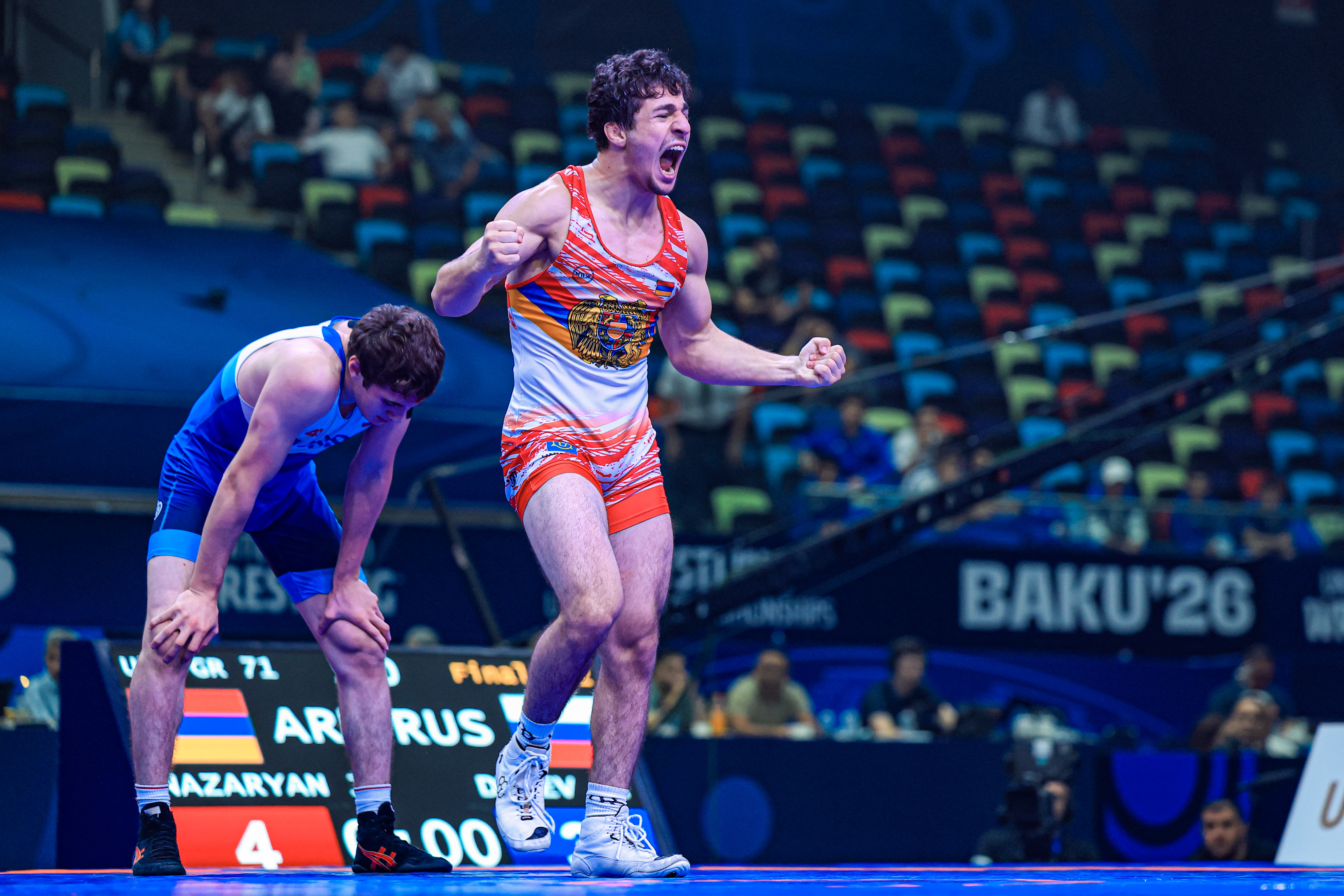 Janes NAZARYAN (ARM) celebrates after winning the 71kg gold medal in Baku. (Photo: United World Wrestling / Amirreza Aliasgari)
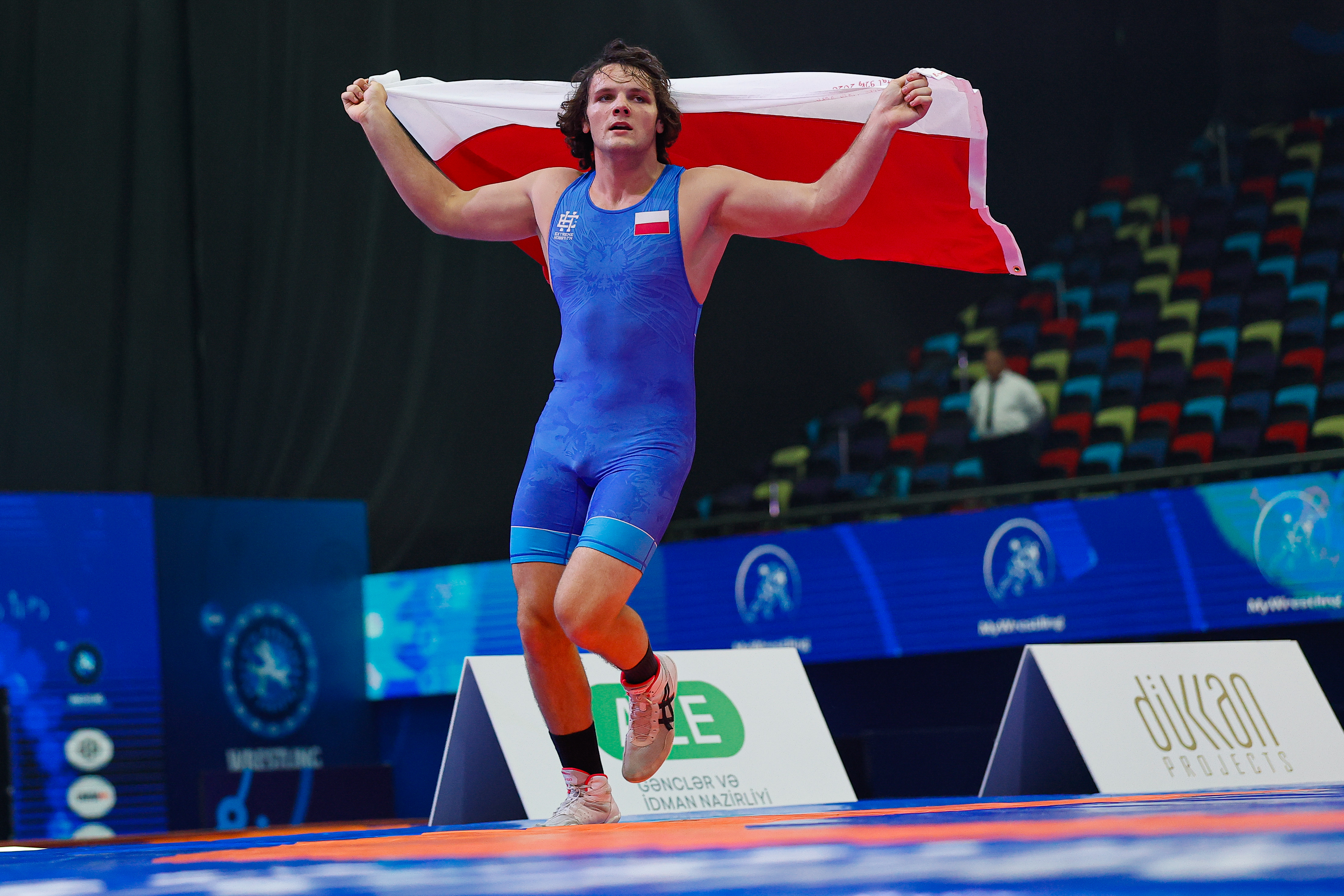 Tomasz MITAL (POL) became the first Poland wrestler in 10 years to win the Greco-Roman gold at U17 World Championships. (Photo: United World Wrestling / Kostadin Andonov)
Share your thoughts.
Comments