

UWW Announces New Olympic Qualification Process for LA 2028
Monday, February 2, 2026 - 12:14 By United World Wrestling Press
CORSIER-SUR-VEVEY, Switzerland (February 2) -- United World Wrestling has overhauled the qualification process for the Olympic Games.
Beginning with the 2028 Los Angeles Olympics, the 16 wrestlers who qualify per weight class will earn their spots through four routes: the World Championships, Continental Qualifiers, the World Olympic Qualifier, and the UWW Rankings.
The first phase of qualification will be the 2027 World Championships that will award 72 quotas for the Olympics. Each medalist [gold, silver, two bronzes] in the 18 Olympic weight classes will earn LA 2028 spots for their respective National Olympic Committees (NOC).
The second phase will be the UWW Rankings in which the first three wrestlers of the rankings, not qualified in the first phase, will obtain one quota place for their NOC for the LA28 Olympic Games. The UWW Rankings will include the seven main events organized before the LA28 Olympic Games:
- 2027 Senior Continental Championships*
- 2027 Ranking Series (3 events)
- 2027 Senior World Championships
- 2028 Ranking Series (1 event)
- 2028 Senior Continental Championships*
*UWW may include Continental Games for ranking but will only consider best two out of three continental results.
This means that 54 more wrestlers will earn Olympic quotas for their respective NOCs.
Phase three for qualifying will include the Continental Qualifiers -- Europe, Asia, Pan-America, and Africa & Oceania. These tournaments will award two quotas per weight class.
Top two wrestlers, the finalists, in each of the 18 Olympic weights will earn LA 2028 quotas for respective NOCs. A total of 144 wrestlers will be awarded at these continental events.
The fourth and final phase of qualification will be the World Olympic Qualifier which will offer 18 quotas. The gold medal winners in each of the 18 Olympic weight classes will earn the spot for their respective NOCs.
Only the countries that did not obtain a quota place during the previous three phases may participate in the World Olympic Qualifiers. The participating countries may only send two wrestlers across all styles at the World Qualifier.
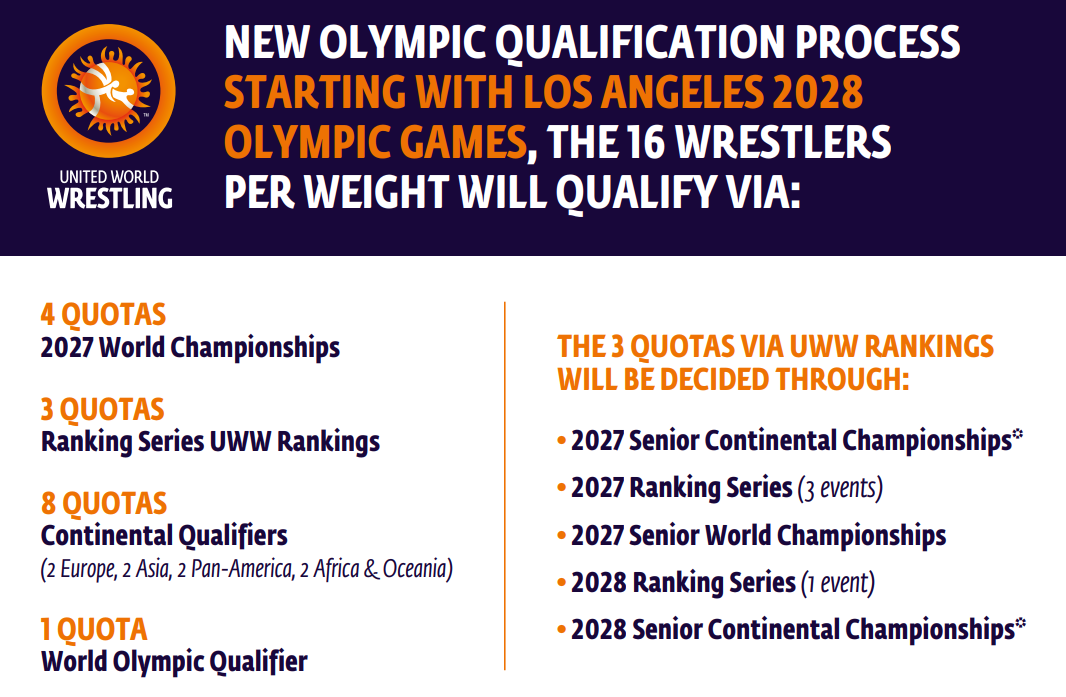
For the LA 2028 qualifying cycle, UWW will award quotas at the following events:
4 quotas - 2027 World Championships
3 quotas - Ranking Series UWW Rankings
8 quotas - Continental Qualifiers (2 Europe, 2 Asia, 2 Pan-America, 2 Africa & Oceania)
1 quota - World Olympic Qualifier
Furthermore, the 2028 Continental Championships will be held before the Continental Qualifiers, ensuring that the three quotas via ranking are finalized before continental qualification events begin.
Ranking Series Participation Guidelines
Each country may enter a maximum of two wrestlers per weight class and a two-kilogram weight allowance will apply for Ranking Series events, but not for Continental or World Championships where standard weight rules apply.
The point allocation for these Ranking events will also be reviewed.
Seeding Changes
During the Olympic cycle, seeds will be assigned based on the following event tiers:
Four-seed events:
Continental Championships
Continental Qualifiers
World Qualifier
Eight-seed events:
Ranking Series
World Championships
Olympic Games
Seeding for the 2028 Olympic Games will be based on results from:
- Three 2027 Ranking Series events
- 2027 Continental Championships (or Continental Games, if applicable)
- 2027 World Championships
- One 2028 Ranking Series event
- 2028 Continental Championships
These same events will be used to seed wrestlers throughout the 2028 season, including the Ranking Series, Continental Championships and Qualifiers, the World Olympic Qualifier, and the Olympic Games.
For the 2027 Ranking Series events, 2027 Senior Continental Championships and the 2027 Senior World Championships, the results of 2026 Senior World Championships will also be considered to seed the athletes.
As is the rule, the ranking points obtained at the 2026 Senior World Championships will be removed after the 2027 Senior World Championships.
A key change is that at the Olympic Games, the seed belongs to the country, which keeps the seed even if it replaces the athlete who earned it. In all other events, the seed belongs to the wrestler, and a nation loses that seed if a different athlete competes.
For clarification regarding the new Olympic qualification process, all NFs and NOCs can contact sports@uww.org.
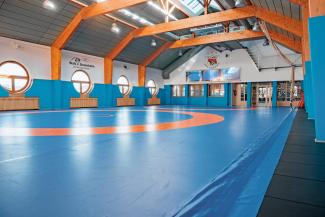
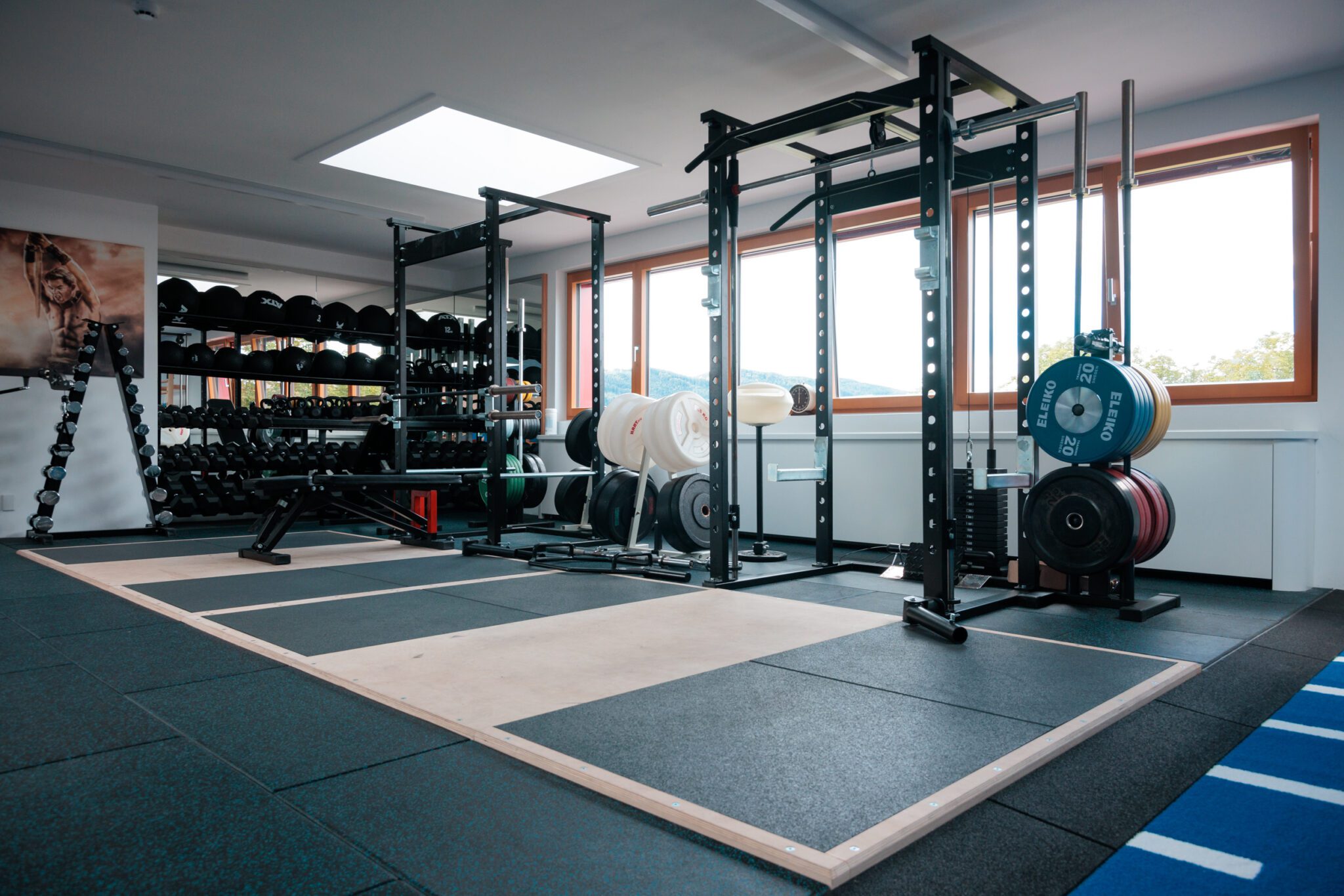 Fitness centre at A.C. Wals. (Photo: Austrian National Wrestling Centre)
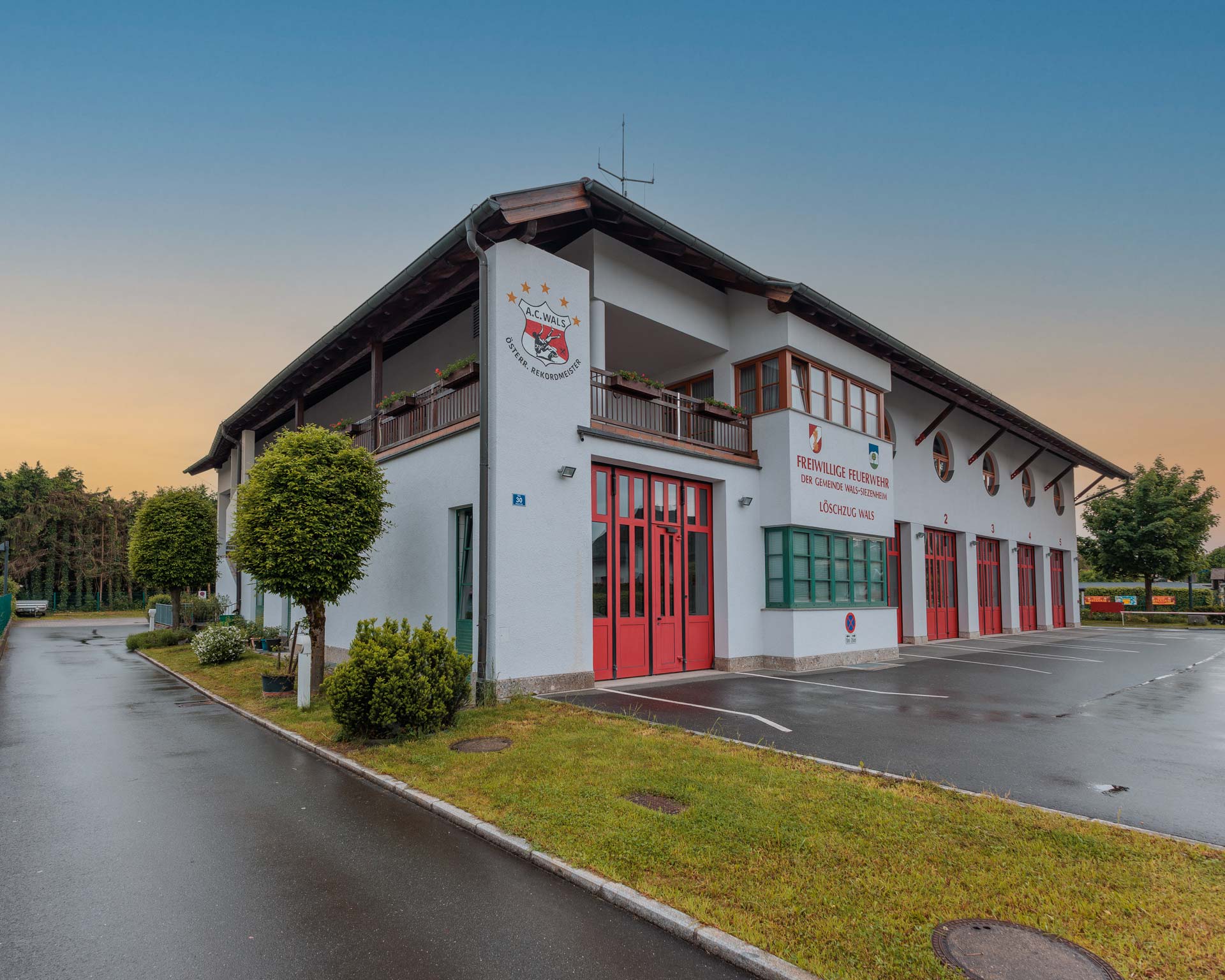 A.C. Wals
Share your thoughts.
Comments