

Divcibare hosts 2025-2026 Educator-Educator Course
Thursday, February 13, 2025 - 12:29 By United World Wrestling Press

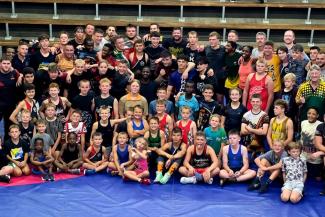
DIVČIBARE, Serbia (February 13) — Nestled in the scenic mountains of Serbia, DivČibare served as the host city for the 2025-2026 Educator-Educator Course, held from January 23-26. This event gathered 28 participants from 17 different countries across Europe, Africa, Asia, and the Americas, including Olympic and world champions, referees, and experienced coaches, all eager to enhance their instructional skills and contribute to the development of wrestling education worldwide.
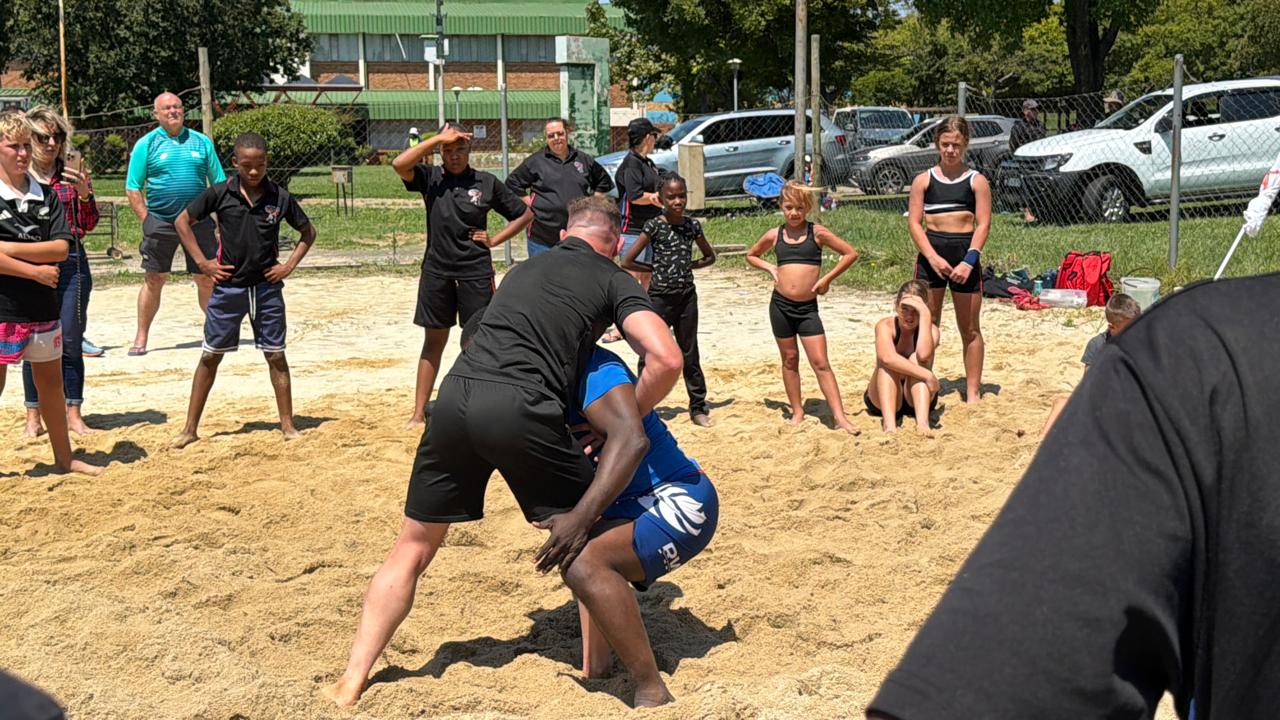
The course was expertly led by Vincent AKA (CIV) and Zach ERRET (USA), with the presence of Deqa NIAMKEY, Director of Development at United World Wrestling (UWW). Over four days, participants engaged in a dynamic and interactive learning experience, covering advanced pedagogical concepts such as the 80/20 teaching method, effective feedback techniques (TAG), and innovative use of technology in sports education. Microteaching sessions provided a hands-on approach, allowing attendees to refine their skills by delivering lessons and receiving constructive peer feedback.
 Participants go through an on-the-mat training course at Serbia. (Photo: United World Wrestling)
A highlight of the program was the diverse exchange of experiences among participants. “As an Olympic champion, I will definitely incorporate many of the concepts from this course into my future programs,” noted Komeil GHASEMI (IRI). Mo EGYPT, a world champion, emphasized the importance of integrating new technologies and interactive teaching methods into coaching strategies, while Nenad ZUGAJ (CRO) described the experience as “a course where we all participated through various tasks, helping and guiding each other.”
Beyond the classroom, the event fostered camaraderie among educators, strengthening global collaboration for future wrestling education initiatives. Participants enjoyed their stay at a tranquil mountain hotel, enhancing team dynamics and cultural exchange.
 UWW staff walk through the interactive learning experience, covering advanced pedagogical concepts such as the 80/20 teaching method, effective feedback techniques (TAG), and innovative use of technology in sports educatio. (Photo: United World Wrestling)
Deqa NIAMKEY highlighted the significance of this course at the start of a new Olympic cycle, stressing UWW’s commitment to renewing and strengthening its educational programs by involving high-level experts and supporting athletes in their transition to coaching roles.
With a renewed sense of purpose and enriched teaching methodologies, the educators left Divččibare prepared to contribute to the continuous growth of wrestling education worldwide. The course not only elevated professional capacities but also reinforced the shared mission of developing the next generation of wrestling instructors through innovation and excellence.
Share your thoughts.
Comments