

South Africa Coaches Complete DNSS Phase 3, UWW Level 1 Course
Tuesday, July 28, 2026 - 12:16 By United World Wrestling Press
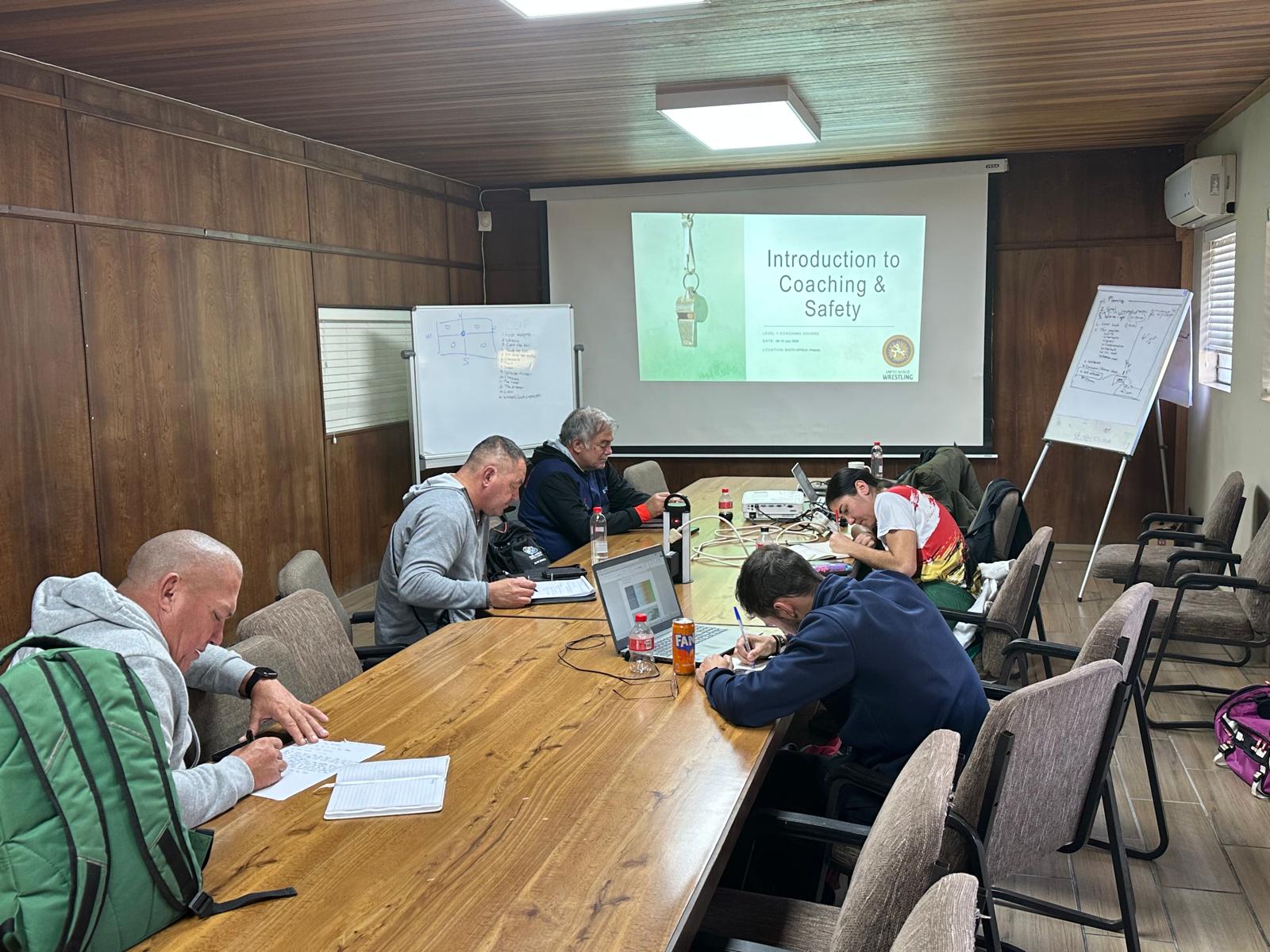
PRETORIA, South Africa (July 27) -- The third phase of South Africa's Development of the National Sport System (DNSS) concluded successfully in Pretoria after five intensive days of learning, collaboration and practical coaching, reinforcing the country's commitment to building a new generation of qualified wrestling coaches.
Organised in partnership with United World Wrestling (UWW) and the South African Wrestling Federation (SAWF), the programme brought together coaches from across South Africa to complete the UWW Level 1 Coaching Course, combining theoretical knowledge with practical application.
Throughout the week, participants followed a comprehensive programme covering the foundations of modern wrestling coaching. Topics included athlete safety, risk assessment, communication, teaching methodology, discovery games, youth coaching, the GROW coaching model, safeguarding, environmental responsibility and anti-doping, before concluding with written and practical assessments.
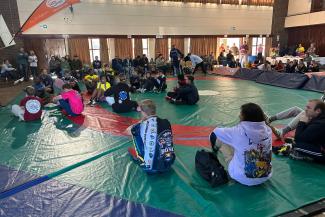
The course was delivered by UWW Development Officer for Africa Vincent AKA, whose international experience provided valuable insight into athlete development and coach education. Earlier in the week, Aka also visited the Sonic Wrestling Tournament in Glencoe, where he encouraged young wrestlers and highlighted the essential role coaches play in the growth of wrestling.
"Without dedicated wrestling coaches, we will not be able to grow this ancient sport," Aka reminded the participants.
Beyond the classroom and the wrestling mat, the course fostered strong relationships among participants. Coaches exchanged experiences, challenged one another through practical exercises and created a collaborative environment that reflected the values promoted by UWW: Respect, Excellence, Friendship and Integrity.
As the programme came to a close, Louise JANSE VAN RENSBURG praised the commitment shown by every participant and encouraged them to become ambassadors of wrestling development within their own provinces.
She thanked Aka and also encouraged every coach to share their newly acquired knowledge, support fellow coaches and contribute to the long-term development of South African athletes.
Chairperson of Coaches Council Markus DEKKER reminded participants that the friendships, professional relationships and memories created during the course should continue well beyond Pretoria, strengthening the national wrestling community for years to come.
The final day concluded with the written examination, course evaluation and the presentation of UWW Level 1 Coaching certificates, marking another important milestone in the implementation of the DNSS programme and South Africa's long-term coach education pathway.
Share your thoughts.
Comments