

South-East Asia & Oceania Education Week: A Vital Step in Wrestling Development
Monday, October 14, 2024 - 12:21 By United World Wrestling Press

PERTH, Australia (October 14, 2024) – The South-East Asia & Oceania Education Week, held in Perth from September 30 to October 4, marked a significant milestone in the growth and development of wrestling across the region. Representatives from seven Oceania nations—Australia, New Zealand, Samoa, Solomon Islands, Nauru, Tahiti, and the Marshall Islands—and a participant from Singapore gathered to foster collaboration and enhance wrestling expertise. For many, it was their first UWW certification in years, adding even more impact to the event.
The week was packed with essential courses focused on both technical and administrative skill development. The Level 3 Coaching Course, led by UWW Educator and USA Wrestling Gold Level Coach Marty Huack, provided advanced coaching strategies, emphasizing elite training methodologies and periodization. Participants gained valuable insights to elevate their coaching approaches and optimize athlete performance at the highest levels of competition.
The Level 2 Referee Course, delivered by UWW 1S Referee and local expert Stefan Rudevics, focused on refining officiating skills. Attendees deepened their understanding of rules, decision-making processes, and match management, significantly enhancing their capabilities for future tournaments. Additionally, Youssef Bouaziz, a UWW IT Specialist, led an IT Course that equipped participants with the digital tools essential for modern sports administration, including proficiency in the Arena platform for managing both national and international events.
 Participants pose for a photo after the conclusion of The South-East Asia & Oceania Education Week. (Photo: United World Wrestling)
One of the week's standout moments was the opportunity for referees and IT participants to apply their newly acquired skills at the Australian Youth National Championships, which ran concurrently with Education Week. This live event setting allowed participants to gain hands-on experience, reinforcing their training and building confidence in real-time scenarios.
Feedback from the attending nations emphasized the significant professional growth experienced by participants, who valued the interactive, hands-on format of both the coaching and refereeing courses. The IT course, which focused on leveraging the Arena platform, was also highly praised for its practical application. During a feedback forum at the event's conclusion, participants expressed strong enthusiasm for future educational opportunities, reflecting their dedication to ongoing development.
Beyond technical training, Education Week fostered a deeper sense of unity and collaboration within South-East Asia and Oceania wrestling communities. By bringing together representatives from across the region, the event strengthened relationships and reinforced a collective ambition to raise wrestling standards. This spirit of cooperation enhanced individual skills while laying the groundwork for future growth and partnerships.
The success of South-East Asia & Oceania Education Week underscores the importance of regional collaboration in advancing wrestling development. We look forward to welcoming even more participants in future editions as we continue to elevate the sport across South-East Asia and Oceania.

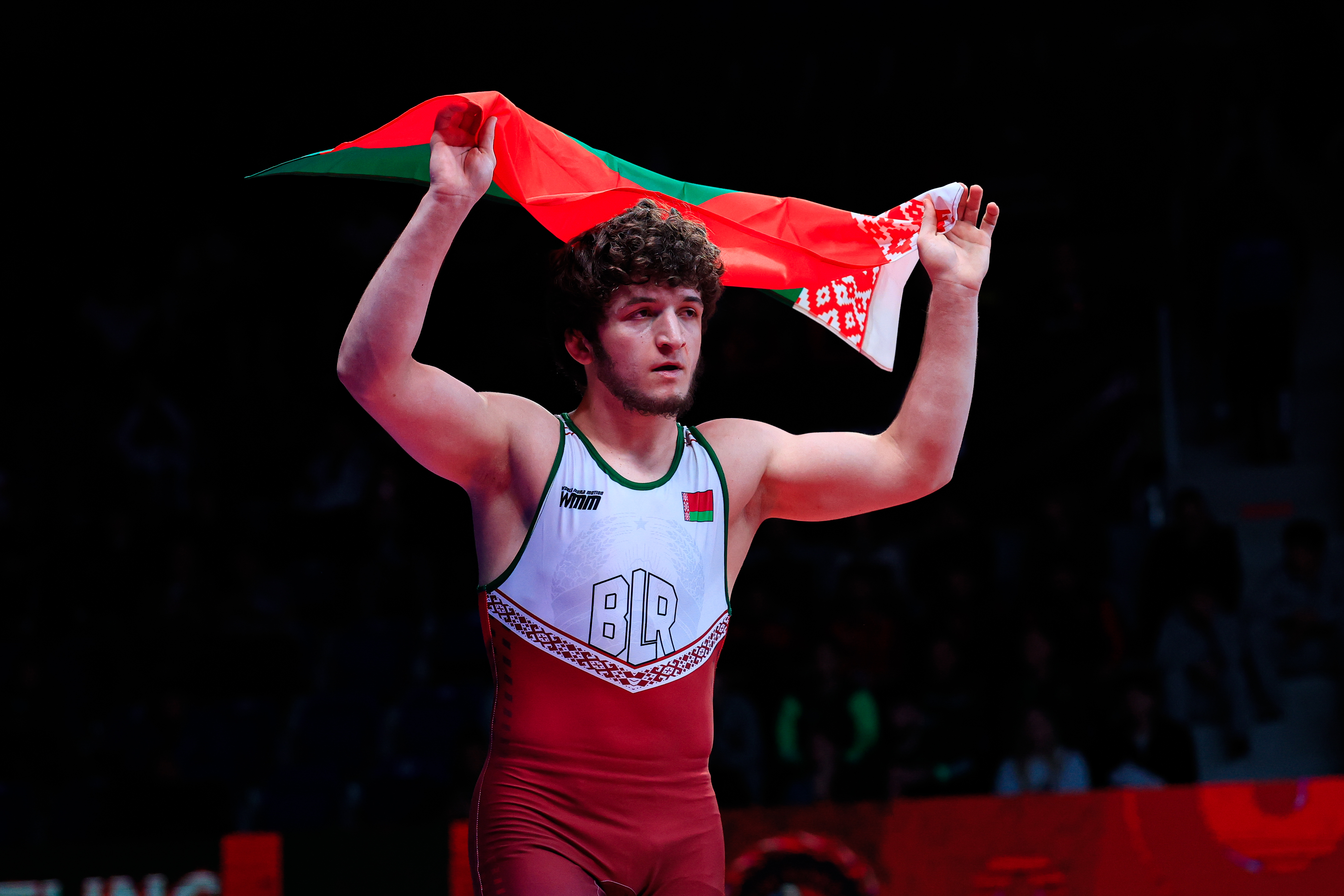 Magomedkhan MAGAMEDOV (BLR) celebrates after winning the 65kg gold medal. (Photo: United World Wrestling / Kostadin Andonov)
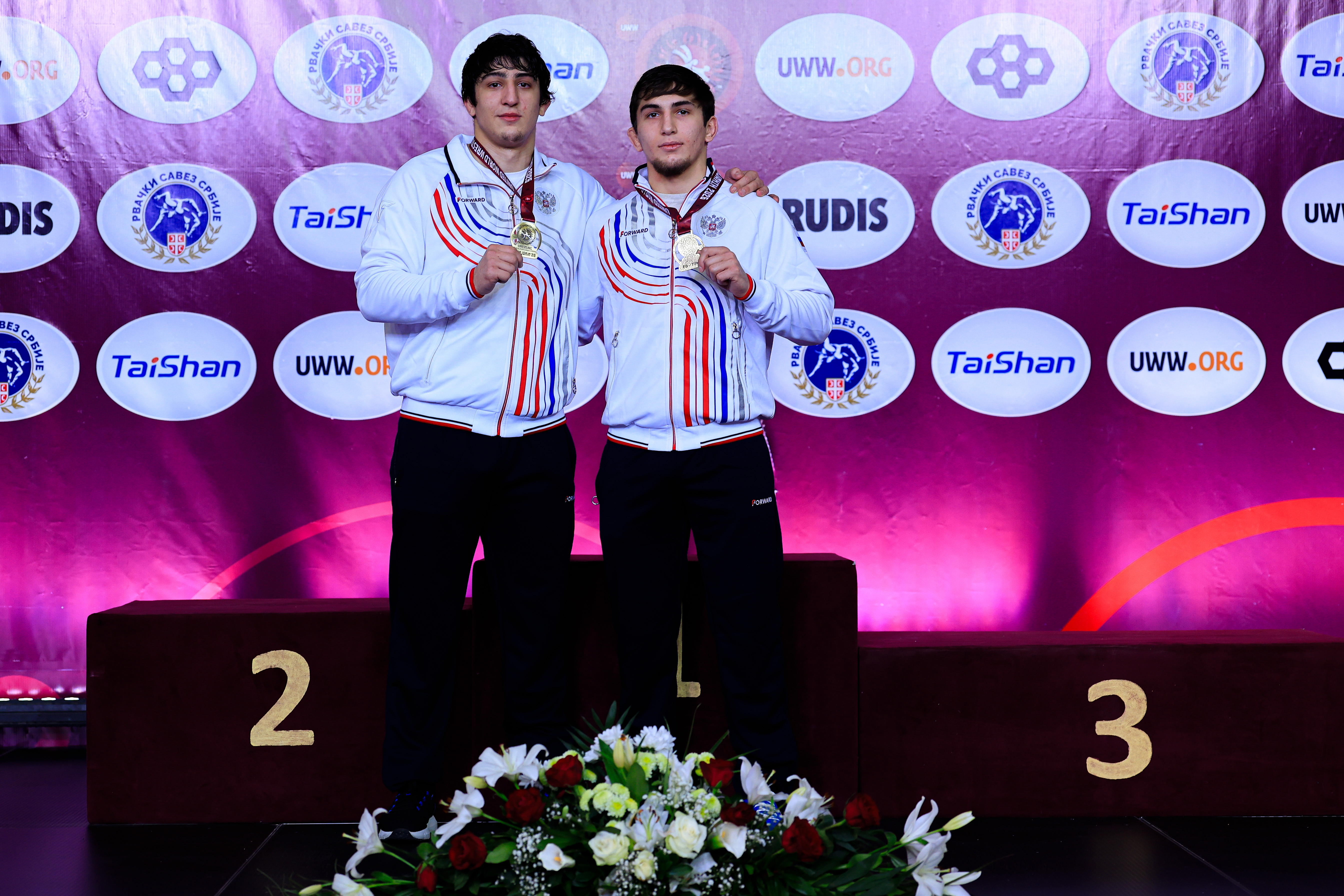 Khaniev brothers, Takhir and Ismail, pose with their gold medals. (Photo: United World Wrestling / Kostadin Andonov)
Share your thoughts.
Comments