

UWW World Conference: Lalovic stresses on AI, Amateur MMA and keeping wrestling at the top
Friday, September 26, 2025 - 17:25 By United World Wrestling Press
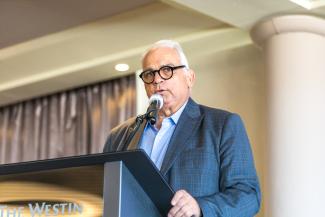
ZAGREB, Croatia (September 24) -- Putting his faith in the ‘young generations’ to use Artificial Intelligence to their ‘benefit’, United World Wrestling President Nenad LALOVIC said that proper use of the ‘modern tools may help coaching, analysis, planning events and being more efficient’. Lalovic called on the wrestling world to ‘adapt’ and embrace AI, ’which is already almost everywhere’.
The UWW President shared these thoughts at the first UWW World Conference 2025, which was held in Zagreb from September 17 to 19. The conference covered a wide array of topics and brought together the best minds in the sport and beyond under one roof on the sidelines of the World Championships.
Expert panelists from all over the world discussed subjects ranging from digital transformation and associated styles to injury prevention and weight management, growing women’s wrestling and career transitions for wrestlers, as well as the future of the sport during the three-day event at the Westin Hotel in Zagreb, Croatia.
The conference started with Lalovic and UWW Secretary General Carlos ROY welcoming the delegates.
Lalovic said in his address: “We had this idea maybe almost a decade ago. We were seeking a platform, how these good relations among wrestlers and the national federations can improve our sport.”
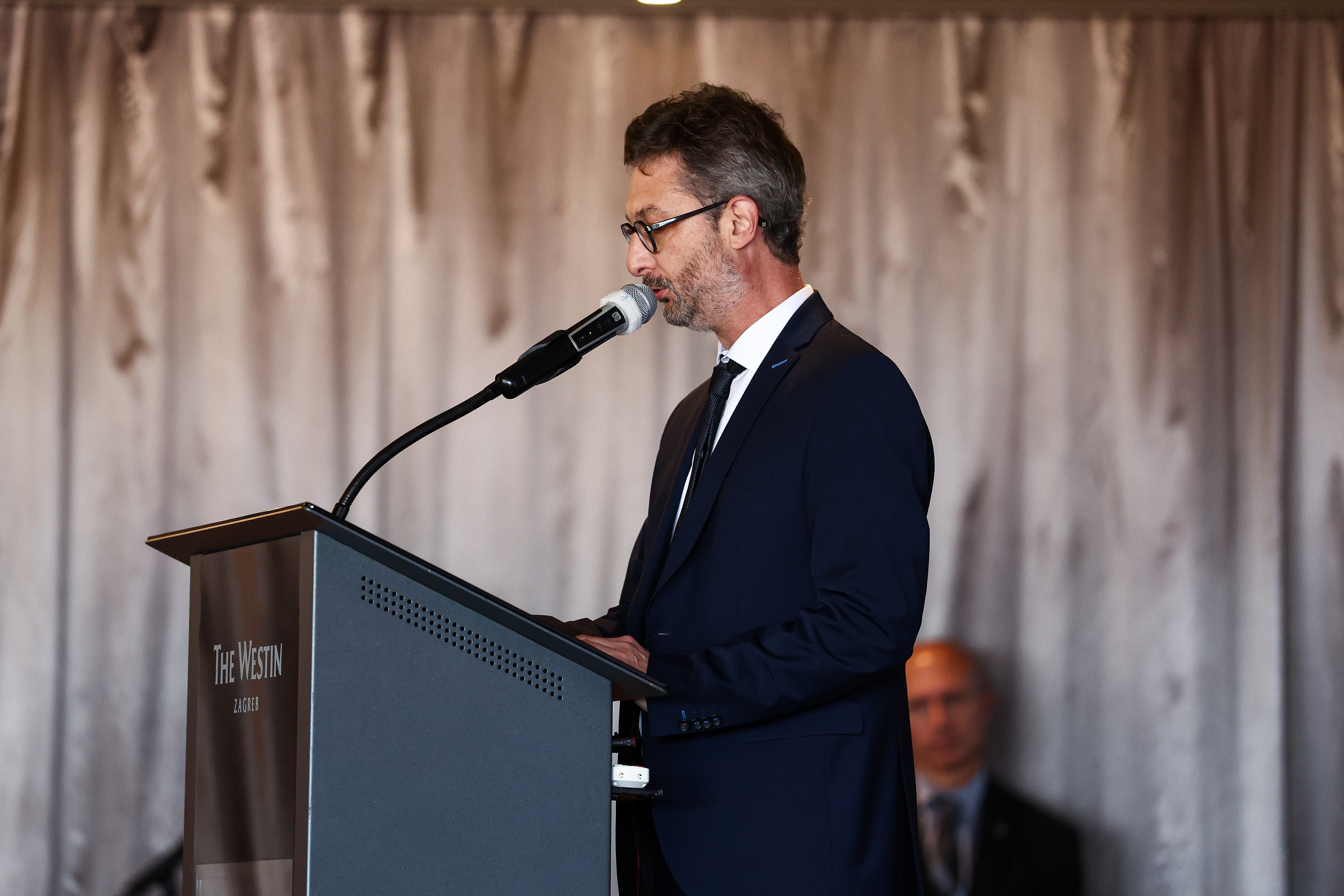 UWW Secretary General Carlos ROY welcomes the delegates to the World Conference. (Photo: United World Wrestling / Jake Kirkman)
Roy added that the ‘rich program was designed to cover wrestling from every angle’. “This conference brings together leaders, coaches, athletes, medical and scientific experts, referees and partners from around the world to exchange knowledge, share experiences and shape the future of our sport,” he said.
Among those who attended the event were leaders from National Federations, members of UWW Commissions, the International Olympic Committee, International Testing Agency and UWW partners like TAISHAN, Rudis and N3XT. Legendary wrestlers including Mijain LOPEZ (CUB), Erica WIEBE (CAN), Arsen JULFALAKYAN (ARG), Sofia MATTSSON (SWE) and Marwa AMRI (TUN) also graced the symposium and shared their views during the lively discussions.
While Wiebe spoke about the wrestlers’ transition from actively competing to other jobs in wrestling, Julfalakyan shared insights on how collaboration between different bodies can power the clean sport drive, an important area where the UWW has continued its development work. Mattsson, who is now the head coach of the Swedish team, opened up on ways to support and train women’s wrestlers.
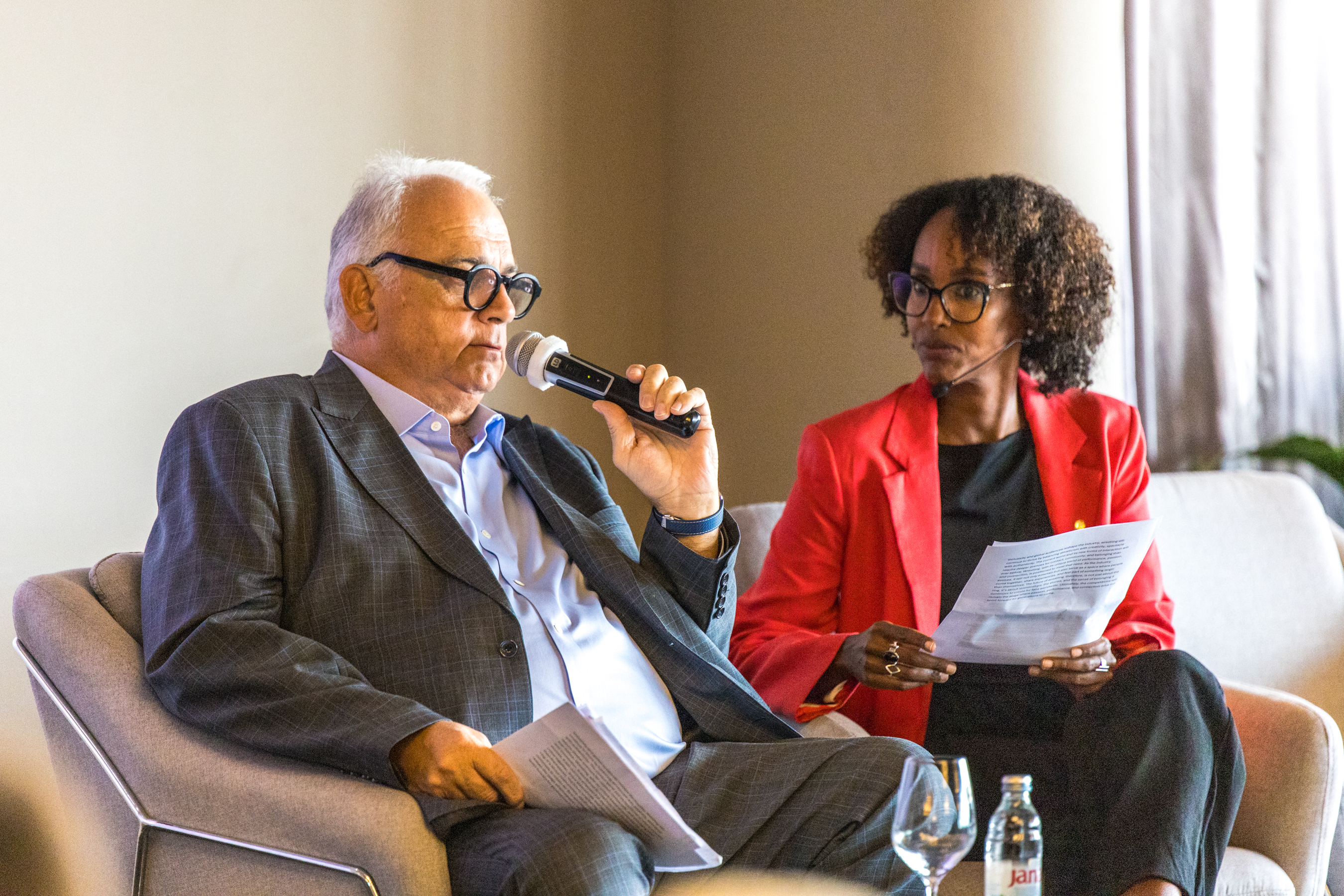 Nenad LALOVIC in a Q/A session with UWW Development Director Deqa NIAMKEY.
Lalovic and Deqa NIAMKEY, the UWW Development Director, got the sessions underway with an intriguing discussion on the future of wrestling.
This topic continued to be a recurring theme as the new disciplines and associated styles were passionately talked about during the panel discussions.
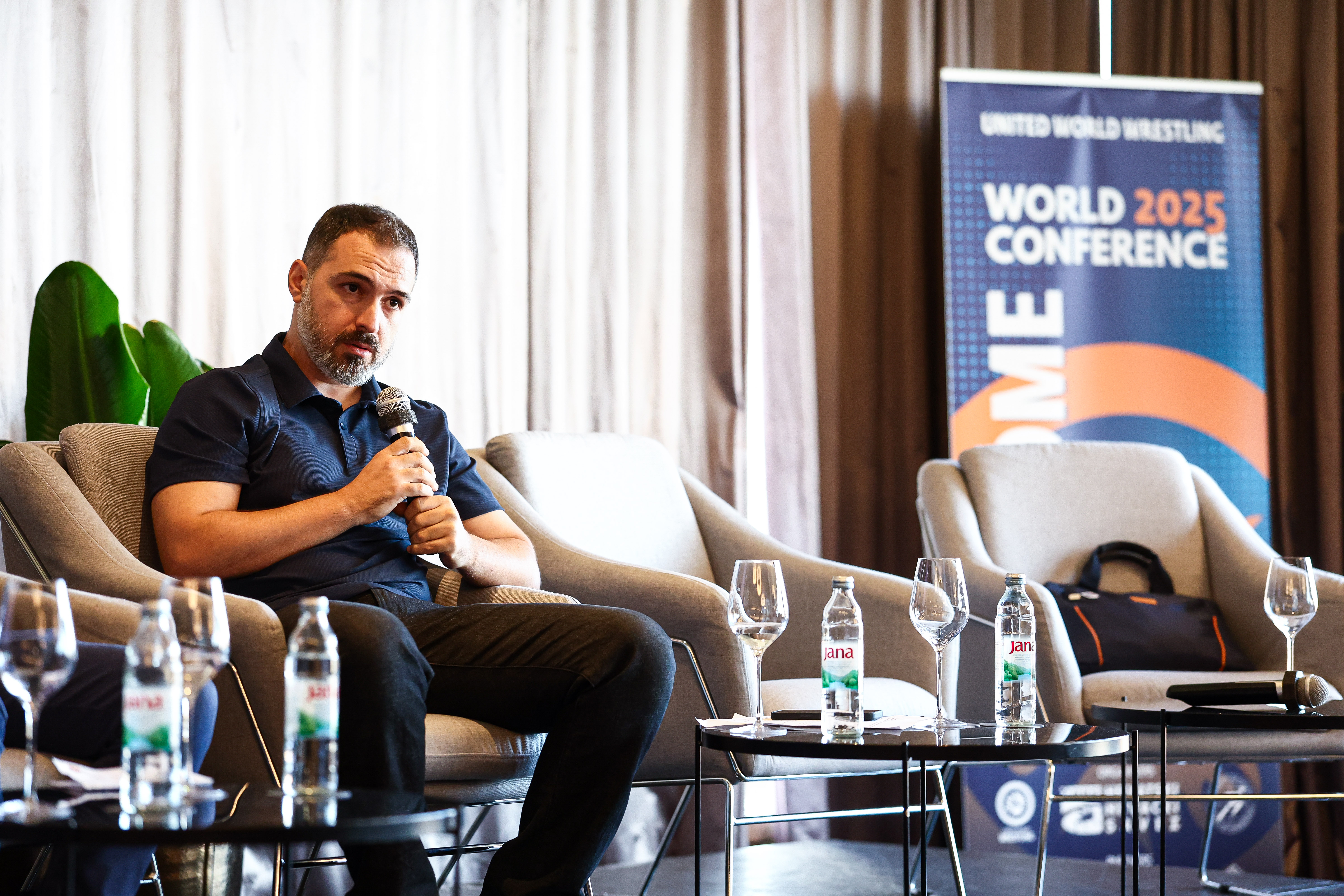 UWW Associated Styles Manager of UWW Onur SIMSEK.
Onur SIMSEK, the Associated Styles Manager of UWW, spoke about Amateur MMA, which he said is the 'modern version of pankration, our ancient asset.'
"Technically MMA is wrestling, Pankration is wrestling, traditional styles are wrestling and grappling is wrestling itself," Simsek told the audience. "Pankration is the fundamental of MMA with its philosophy not only in sports but teaching that a wrestler understands the sport. It keeps the richness in wrestling."
Simsek said it was important to govern these styles because the 'aim is to unite towards wrestling.' "So, we will govern all these styles today and in future too."
Lalovic echoed these sentiments, saying that ‘we want to prepare athletes who will one day join professional MMA leagues and competitions.'
"This is why we established a new department almost a year ago. We call this amateur MMA with protections," he said.
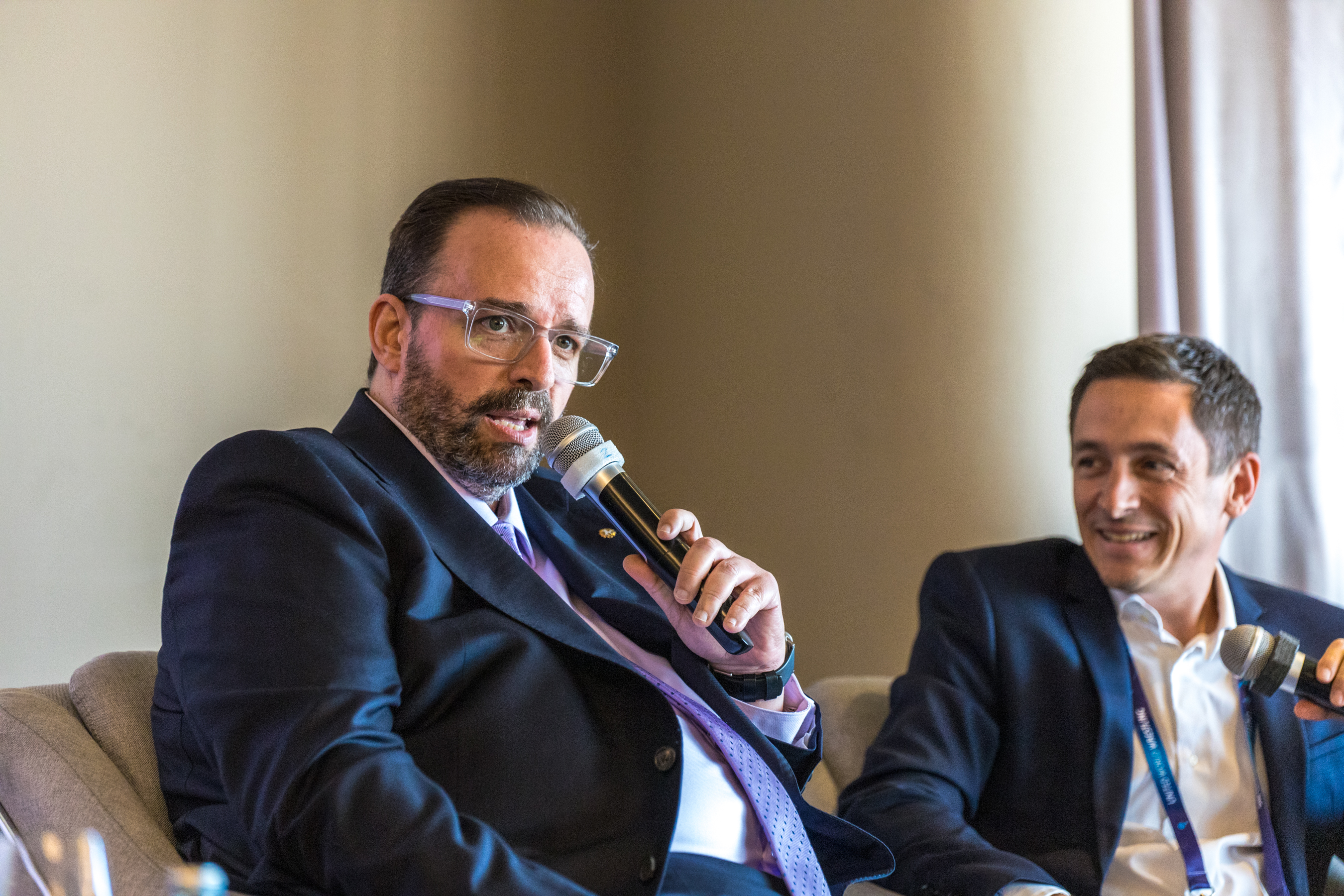 UWW Beach Wrestling Committee President Pedro SILVA.
Pedro SILVA, the President of the Wrestling Federation of Portugal and a UWW Bureau Member, underlined the growth of beach wrestling. He looked back at President Lalovic’s commitment to develop the style through statements made in 2018.
Acting on Lalovic’s comments, Silva said that in 2019, they went from ‘a yearly one event World Championship to a series of events, a world tour that would at the end produce a new world champion, new heroes.'
"We overhauled the rules, making them easier to understand, not only for the wrestling fans, but specifically for the new fans, the people that know nothing about wrestling," Silva said.
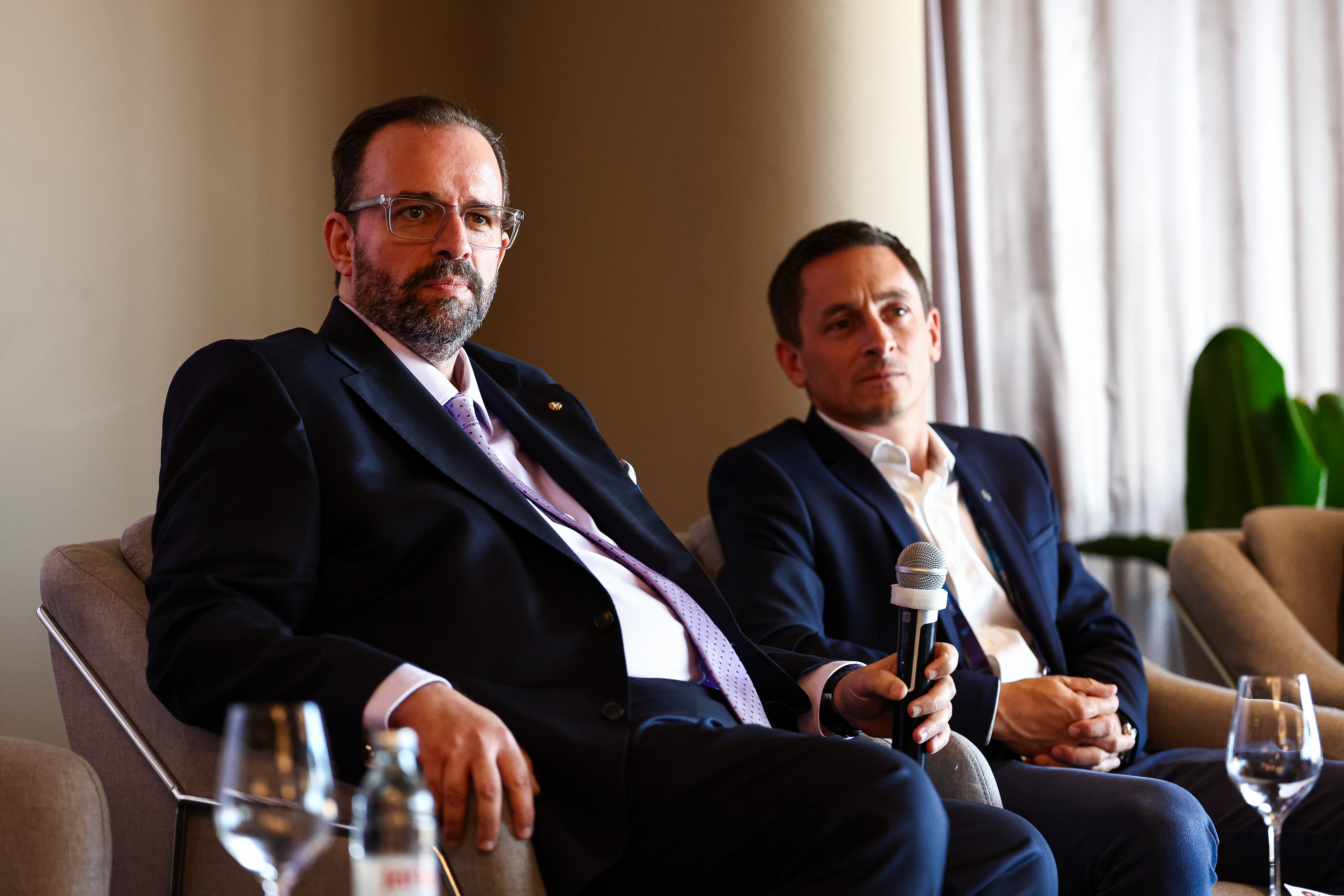 Pedro SILVA, left, and UWW Sports Director Jean-Daniel REY. (Photo: United World Wrestling / Jake Kirkman)
Silva was optimistic that the Beach Wrestling events at the 2026 Youth Olympic Games in Dakar, Senegal, would drive high engagement.
"Dakar 2026 is the first Olympic Games in Africa, and Beach Wrestling is the UWW style at the Games," he said. "The national sport of Senegal is traditional wrestling, which is very close to Beach Wrestling. We anticipate a big fan engagement and also on TV, on social media due to the specific popularity of the sport within the host country."
Share your thoughts.
Comments