

UWW conducts pilot coaching course in Nigeria
Tuesday, October 24, 2023 - 08:02 By United World Wrestling Press

YENAGOA, Nigeria (October 23) — After its success on the mat, Nigeria is leaving no stone unturned to grow wrestling off the mat as well.
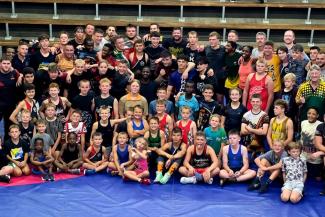
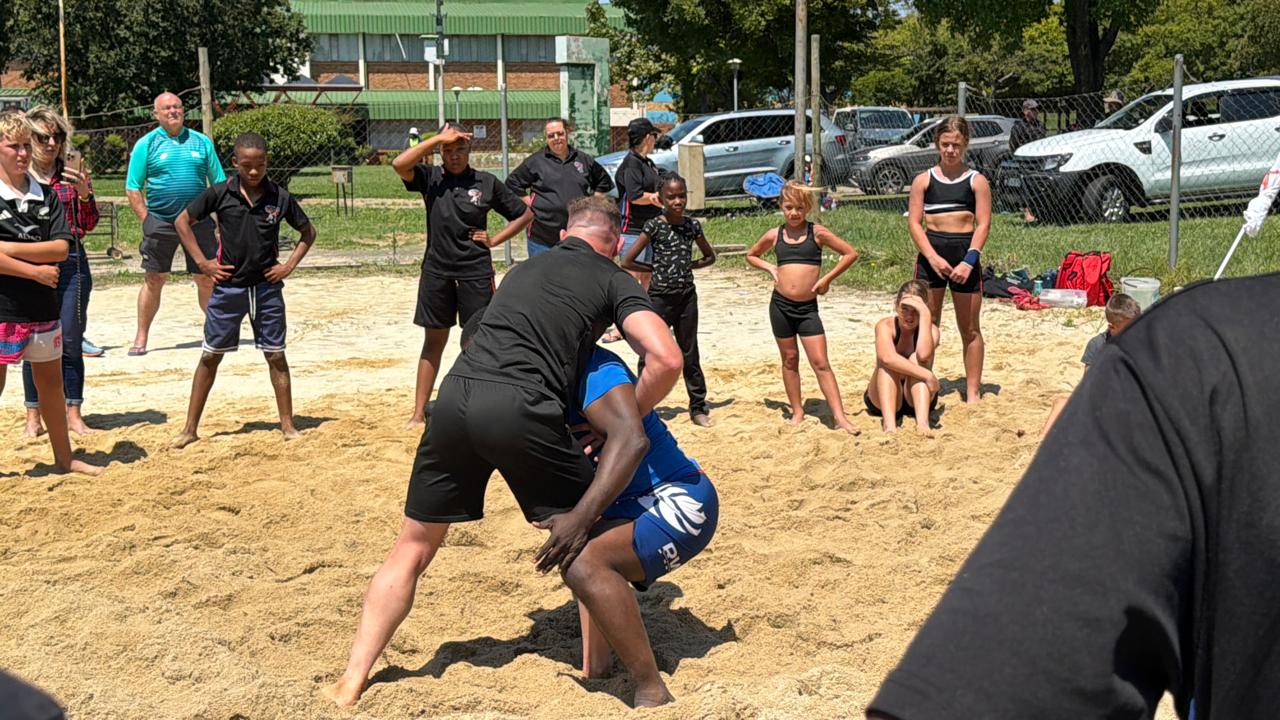
United World Wrestling organised a Level 3 Coaching Course, approved by IOC, in Yenagoa, Bayelsa from October 15 to 19 after a Level 1 Training course.
Of the 21 participants, 18 completed the training process which took place at the national wrestling center located in Bayelsa. This center which is renowned for producing Nigeria’s best wrestlers including Tokyo Olympic silver medalist Blessing OBORUDUDU (NGR) and multiple time world medalist Odunayo ADEKUROYE (NGR).
The training, organised with the collaboration of the Nigerian Olympic Committee and the Nigerian Wrestling Federation, was an opportunity for the participants to achieve their maximum potential performance with applications of international guidelines and aiding Nigerian wrestlers in reaching their peak.
President of Nigeria Wrestling Federation Daniel IGALI stressed on the impact the training course will have on the coaches and referees, as well as the wrestlers.
"I must thank the IOC, UWW and the NOC as this is massive. As you know, the coaches and referees determine outcome of every federation,” Igali said. “I'm glad we now have Level 3 accredited coaches in Nigeria which means the level of instruction is going to be higher and I believe heading into Paris 2024 the contingent will be better prepared."

Three experts, fluent in various languages, were designated for this pilot project. The experts included lead Educator Vincent AKA, covering four languages (English, French, Spanish and Russian), second educator and coach Zac DOMINGUEZ and a third educator Ahmed KEDRI, who constantly supervises and supports all Arabic speaking countries.
"They will soon be great coaches,” Dominguez said of the participants. “All came with an open mind to learn. But wrestling is like a marathon and it's going to be a journey, so they'll have to keep learning and improving."
The content of the course were designed to best fit the participants by UWW Education Manager Zach ERRETT. The Level 3 Course focuses on Periodization and Building a Coaching Philosophy. Both of these topics are important for the development of coaches and to better develop the training.
Given the success of wrestling in Nigeria, Nigeria Olympic Committee President Tony NEZIANYA explained that selecting the wrestling federation for this training was a no brainer.
"We're pleased to organize the course because we have evaluated all the sports in Nigeria and thought that wrestling has best opportunity of making us proud and giving us that prestigious Olympic gold medal,” Nezianya said. “The wrestling federation has been impressive and winning a lot of medals and we think they deserve to have this course."

Kedri also explained the significance of the course for Nigeria and the growth of wrestling in the country.
“This course is very important for wrestling in Nigeria because it's a perimeter to empower their learning and I commend them for their active participation,” he said.
Oyinbrakemi KING, a trainee who attained the Level 3 IOC licence, expressed joy and gratitude.
"I'm short of words but I'm very happy,” King said. “I want to thank the president of the federation for providing us with a beautiful facility that made it possible for the instructors to come to Nigeria. I promise that we will continue to work hard and improve.”
Share your thoughts.
Comments