

Norway Hosts Freestyle Coaching and Referee Course
Friday, July 21, 2023 - 13:10 By United World Wrestling Press

OSLO, Norway (June 30, 2023) – The Norwegian Wrestling Federation hosted educational courses for coaches and referees in efforts to grow and develop freestyle wrestling. These courses were conducted in conjunction with UWW, Olympic Solidarity, Norwegian NOC and the Norwegian Wrestling Federation. The coaching course was led by Mr. Keith Sieracki (USA). The referee course was led by Mr. Vaclav Scheiner (CZE). “We had a great educational time with two knowledgeable instructors. Our coaches and referees had a great time and got a lot of new things in the toolbox to bring back to the clubs.” said Jon Isaksen, Head of Development in the Norwegian Wrestling Federation.
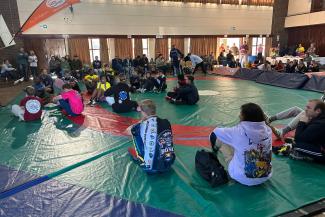
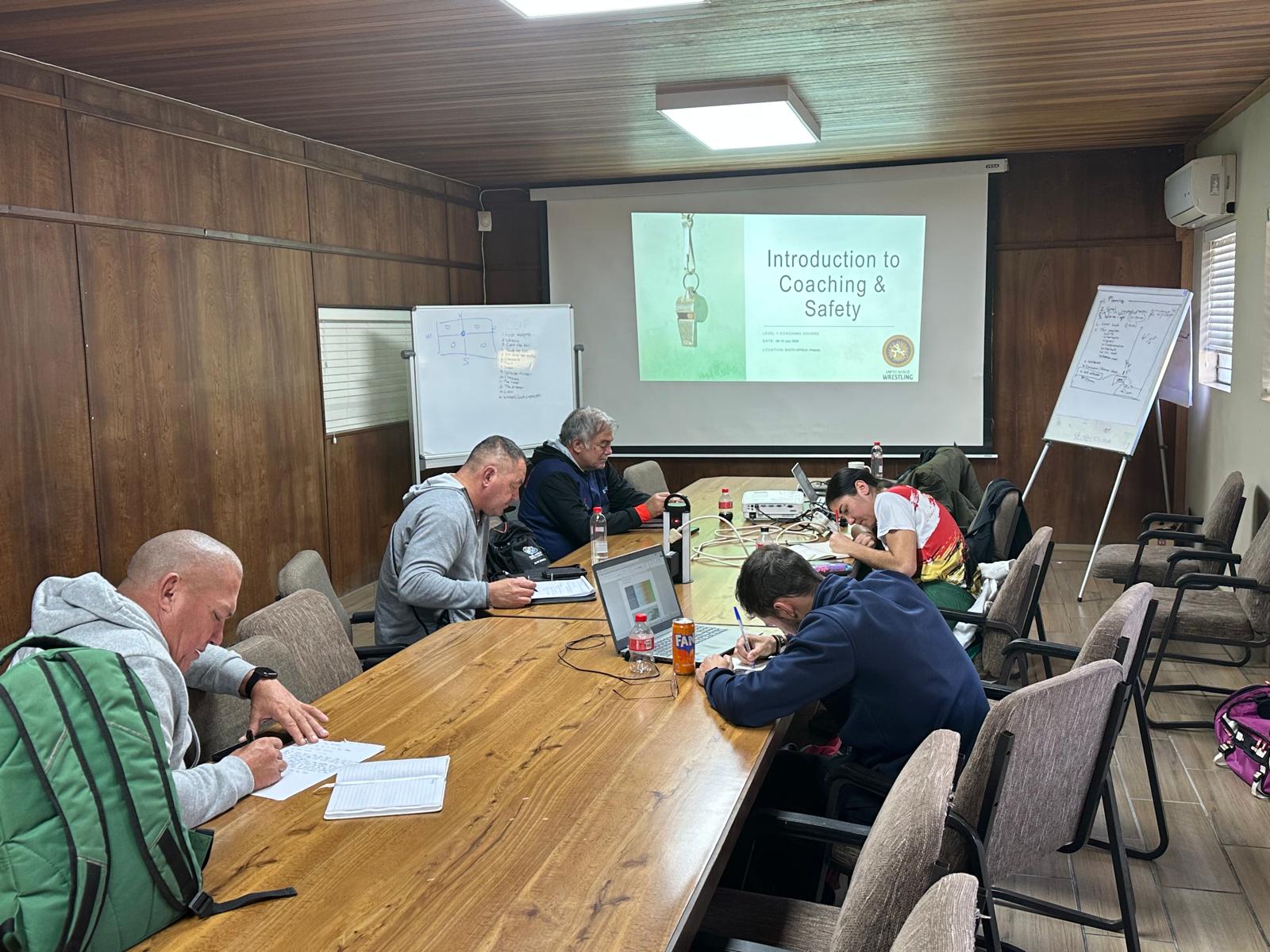
The Coaching Course was held June 26-30 at the Lambertseter Wrestling Hall. During the course, eight participants attended and participated in the Level 1 Course (Introduction to Coaching and Safety). The following topics were covered throughout the course: identifying key factors, improving communication, introducing a new technique, coaching skills, giving feedback, risk management, age and developmental stage characteristics. During the course, the coaches actively practiced and developed their skills through practical evaluations and technical sessions that focused on freestyle wrestling. The Norwegian Wrestling Federation also hosted a training camp during the same dates. The coaches were able to directly apply the skills they were learning in the course. “The overall attitude was great! Everyone had things to share from past coaching experiences good and bad. The best session was the practical sessions where they could practice their skills and learn new techniques,” said Mr. Sieracki.
 Participants develop their skills through practical evaluations and technical sessions that focused on freestyle wrestling. (Photo: United World Wrestling)
The Introduction to Refereeing Course was conducted June 26-28. The participants learned the foundations of what it takes to be a great referee. The areas covered during the course included: safety of the athletes, evaluation of holds, referee mechanics, positioning, and controlling the bout. The participants were active during the course and were able to practice their skills through practical evaluations and simulated matches. The referees also worked directly with the coaches to help improve their relationship and understanding of the rules. “The course went very well. The number of participants was small so I was able to work with them individually. The session with the coaches and referees together was very good. The coaches experienced how difficult the job of the referee can be,” said Mr. Scheiner. “The course went very well. It connected the mutual understanding between coaches and the referees. It has many relevant topics and a good combination of theory and practice. Vaclav was great to keep the course interactive and kept the interest of the participants," said Jon Isaksen (Head of Development for Norwegian Wrestling Federation.
Quotes from Participants:
“The course went very well and we were very happy with the methodology. It was very satisfying to see our own progression on the mat from day to day. We have some cooperation with coaches and it was very good and necessary. We were very happy with our educator, Mr. Scheiner,” said Marcin Zawistowski
Share your thoughts.
Comments