

With Two Courses in 10 Days, India Dedicated to Developing Coaching Pool
Wednesday, April 15, 2026 - 09:46 By United World Wrestling Press

NEW DELHI, India (April 7) -- The Wrestling Federation of India organized two courses in India last month. The first course was a Level 3 -- Introduction to Periodization and Coaching Philosophy and was held from March 21 to 25.
A second course was completed immediately after the first. This was a Level 2 -- Introduction to Practice Planning and was conducted from March 25 to 30. The courses were led by UWW Certified Educators Ahmed KHEDHRI (TUN).
“The participants engagement, along with the logistical and organizational support from the Indian Wrestling Federation, greatly contributed to the success of the courses," Khedhri said.
The Level 3 course was attended by 20 participants. During the five days, the participants covered a wide range of topics which included performance analysis, fundamentals of periodization, practice plan review and self-reflection.
The course also addressed coaching philosophy, self-awareness, leadership styles, and coach vision. These topics were covered through a variety of lectures, practical exercises, and interactive group discussion.
"The Level-3 coaching course was a great opportunity for learning and development. I appreciated the teaching style, depth of knowledge, and clear communication, all of which were motivating and inspiring," SB PRASAD, Greco-Roman coach, said.
The Level 2 course was attended by 41 participants. During the course, the coaches started with basic skill development and performance analysis basics and transitioned to the technicalities of designing and implementing practice plans.
The coaches learned the importance of designing sessions that are age and stage appropriate for their athletes. These interactive sessions included a mix of small group work and practical sessions.
“The Level-2 course was an incredible and enriching experience. I gained valuable knowledge that will greatly benefit my coaching career," Shilpi SHEORAN, Women's Wrestling Coach, said.
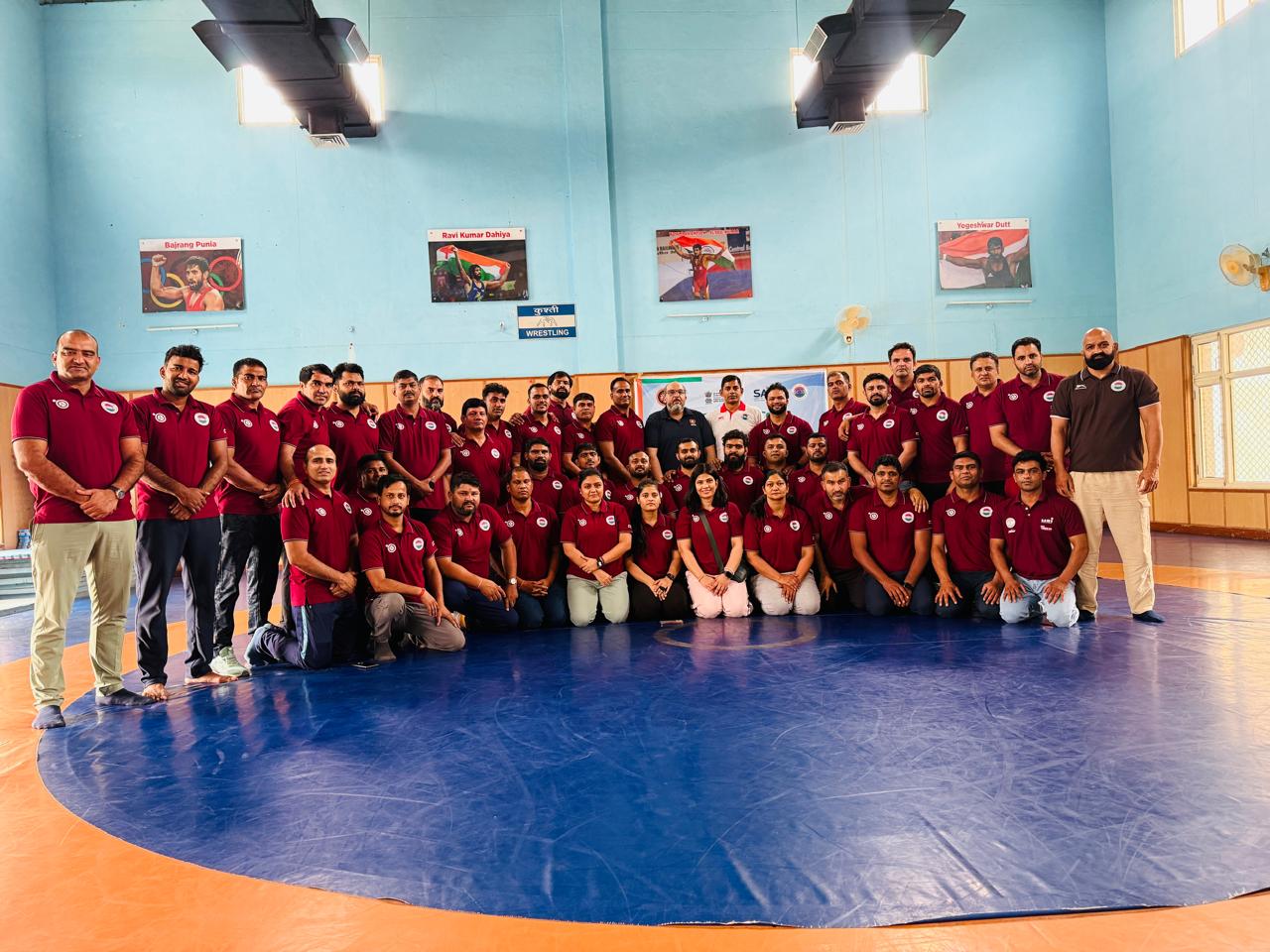
The 41 participants pose for a photo following the conclusion of the course. (Photo: United World Wrestling)
Comments from the participants:
“I found the Level-3 course highly valuable, highlighting the practical approach, detailed explanations, and continuous support throughout the program. These aspects enhanced my understanding and confidence as a coach.” – Vinod KUMAR, Head Coach, Freestyle National Team.
“The Level-2 course as extremely enriching and well-structured, with clear and engaging instruction. Thank you to UWW and WFI for organizing and facilitating this valuable program,” – Abhishek CHANDEL, Coach.

Share your thoughts.
Comments