

Wrestling Holds Medicine Conference; Commission Announces Key Collaboration
Tuesday, October 29, 2019 - 14:00 By United World Wrestling Press

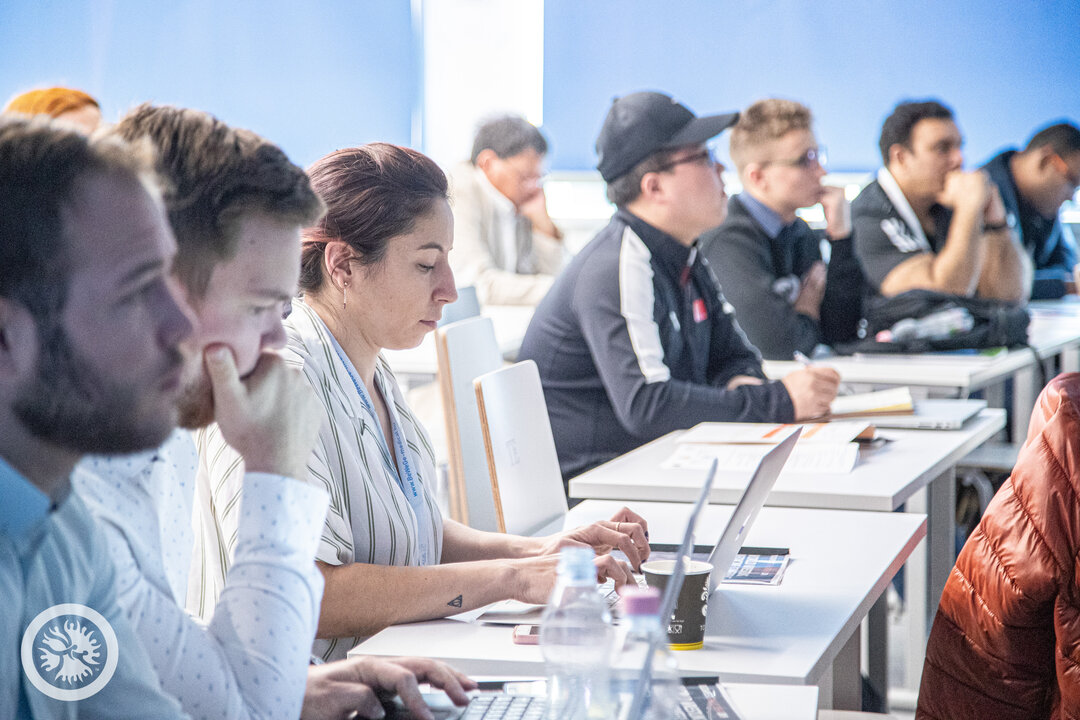
BUDAPEST (October 29) -- The World Wrestling Medicine Conference and Team Physician Course Program met last week in Budapest with 65 participants from 35 countries delivering a total of 22 presentations, 16 courses and one on-the-mat workshop over the program’s three days of events.
The conference was chaired and directed by Dr. Babak Shadgan and Dr. Szabolcs Molnar of the United World Wrestling (UWW) Medical and Anti-Doping Commission. 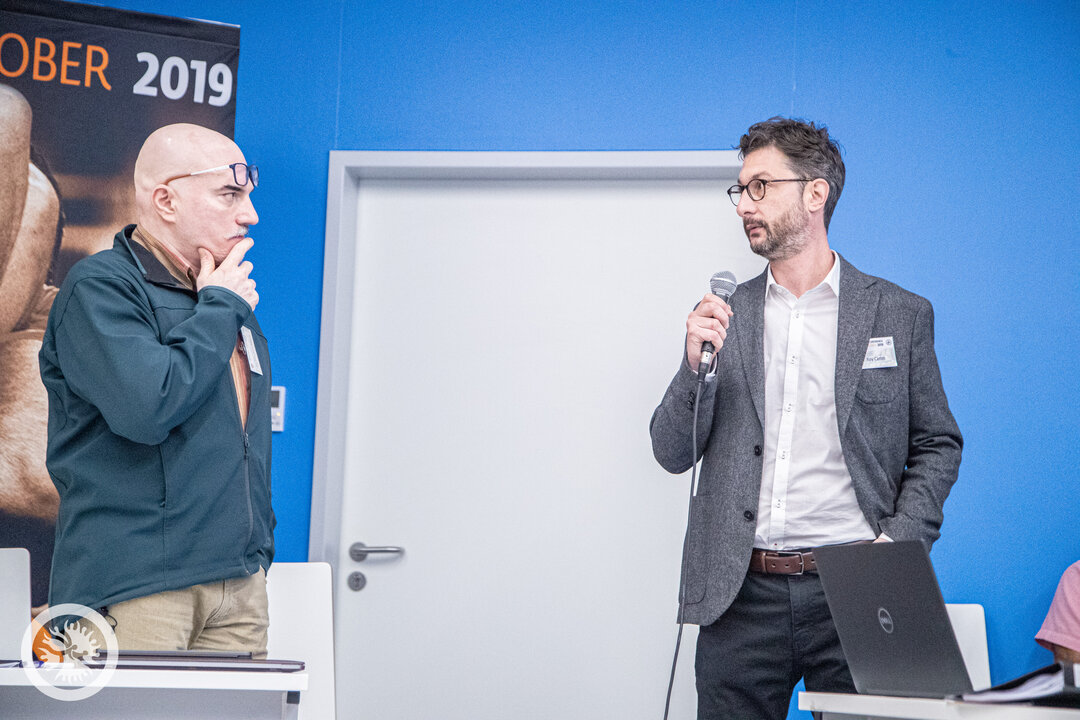
A variety of topics were introduced across the three-days of conference presentations and team physician lectures. Prof. Dr. Nicola Maffulli focused on understanding, managing and preventing common injuries in wrestling, while Dr. Amir Pakravan tackled overuse and fatigue syndrome in wrestling; Dr. Eckart Diezemann focused on spinal injuries; and Dr. Reza Naghavi on the transmission of bloodborne illnesses. Other talks included reviews of prevention of common wrestling injuries, proper sports nutrition and updates on anti-doping regulations.
Dr. Shadgan presented on the importance of proper referee decisions in stopping dangerous actions, and prevention of wrestling injuries.
The conference also welcomed Kirsty Burrows (IOC consultant) and Dr. Judith Goss who brought attention to the discussion of on athlete safeguard and psychological harm in sports.
UWW 1S Referee and dentist Dr. Aviram Schmuely discussed about dental injuries and prevention in wrestling, also providing his refereeing point of view on medical issues.
When the Medical Commission met on Sunday the discussions focused on the review of the medical coverage the 2019 events, review of the recorded injuries, possibility for UWW certified team doctors to enter the FOP, the anti-doping program and the opportunity for developing Wrestling for visually impaired athletes.
The medical management of Wrestling competition was also discussed with the aim of helping doctors of local organizing committees earn proper training to take care of the medical coverage necessary for national and international tournaments. Dr. Pakravan also lead a discussion on how to properly care for an injured athlete when they are unable to leaver the mat on their own power, and Dr. Akos Santha discussed the principles of travel medications for teams.
The UWW Medical Commission also met in Budapest, announcing a first-of-its-kind collaboration with Sponsor Defense Soap.

Defense Soap CEO Guy Sako presented a document sharing his knowledge and experience on the prevention, education and treatment of skin infections within wrestlers. The research was then wrapped into an agreement between United World Wrestling and Defense Soap to develop an established Hygiene protocol for international wrestling to implement by the summer of 2020.
“This is a first for United World Wrestling Medical Commission to work closely with a sponsor that has extensive field knowledge and to work together to develop something positive long-term for the well-being of wrestlers worldwide,” said Shadgan. “We are excited about the effort.”


Share your thoughts.
Comments